Can A Bad Car Battery Cause Electrical Problems

Ever been cruising down the road, windows down, favorite song blasting, when suddenly your dashboard lights start flickering like a disco? Or maybe your car just refuses to start, even though the starter sounds like it's trying its best? We often jump to worst-case scenarios – a gremlin in the engine, a short circuit of doom – but sometimes, the culprit is surprisingly simple: a bad car battery. Figuring out if your battery is the source of your electrical woes is surprisingly relevant and can save you time, money, and a whole lot of frustration. After all, understanding the basics of your car’s electrical system empowers you to be a more informed car owner.
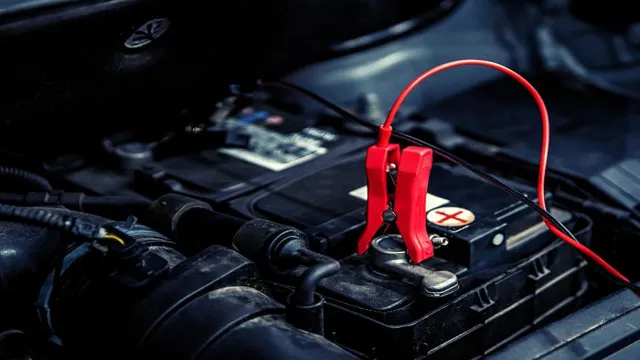
So, can a bad battery really cause a cascade of electrical problems? The short answer is a resounding yes! Think of your car battery as the heart of its electrical system. It's not just there to get the engine going; it also provides the initial power surge needed for various systems to function correctly. A healthy battery delivers a consistent voltage. However, a failing battery can produce inconsistent or insufficient voltage. This inconsistency is where the trouble begins.
The purpose of understanding this connection between a weak battery and electrical glitches is multi-faceted. Primarily, it helps you diagnose potential problems early. Rather than immediately assuming a complex electrical issue, you can consider the battery first, potentially saving you expensive diagnostic fees at a mechanic. Secondly, it prevents misdiagnosis and unnecessary repairs. Replacing a perfectly good alternator, for example, won't solve the problem if the battery is the root cause. The benefit, therefore, is both financial and preventative.
Must Read
In daily life, this knowledge can manifest in several ways. Imagine your car's infotainment system keeps resetting. Before panicking about a faulty computer, check the battery's age and condition. Or perhaps your headlights are dimming sporadically, especially at idle. Again, a weak battery could be struggling to provide enough power. Understanding this connection is also useful in education. Auto shops often use simulations to demonstrate the impact of a bad battery on different electrical components, highlighting the importance of a healthy charging system. Furthermore, knowing the symptoms of a failing battery empowers you to make informed decisions about preventative maintenance, extending the life of your car and preventing breakdowns.

Here are some practical tips to explore this further. Firstly, invest in a simple multimeter. You can use it to measure your battery's voltage. A healthy battery should read around 12.6 volts when the engine is off. Anything significantly lower suggests a problem. Secondly, pay attention to the symptoms. Does your car crank slowly when starting? Do your lights dim when you use power windows or the AC? These are classic signs of a weak battery. Thirdly, visually inspect the battery terminals for corrosion. Clean them with a wire brush and a baking soda solution to ensure a good connection. Finally, consider getting your battery load tested at an auto parts store. This test assesses the battery's ability to deliver power under load, providing a more accurate assessment of its health.
By understanding the role of the car battery and its connection to electrical problems, you can become a more proactive and knowledgeable car owner, saving yourself time, money, and headaches down the road. Don't underestimate the power of a healthy battery!