
Btu For Cooling Per Square Foot
Ever found yourself sweating through a summer day, wishing your air conditioner worked better, or perhaps shivering under an AC unit that feels like an arctic blast? There’s a fascinating, often overlooked number that holds the key to your indoor comfort: Btu for cooling per square foot. While it might sound like something for HVAC engineers, understanding this concept can truly transform your home's climate. It’s like learning your AC unit's secret language, and it’s not nearly as complicated as it sounds!
So, what exactly is its purpose? At its core, "Btu for cooling per square foot" is a fundamental guide for matching the cooling power of an air conditioner to the heat gain of a specific space. BTU, or British Thermal Unit, is a traditional unit of heat. Roughly, it's the energy needed to raise one pound of water by one degree Fahrenheit. For cooling, we're talking about removing that heat. By relating BTUs to square footage, we get a handy metric that tells us how much cooling capacity is needed for a room of a particular size.
The benefits of getting this right are huge! First and foremost, it means optimal comfort. An AC unit that’s too small will struggle endlessly, leading to high bills and inadequate cooling. One that’s too large might cool too quickly, then shut off, leaving muggy, humid air because it didn't run long enough to dehumidify. A correctly sized unit ensures your space is perfectly cooled and comfortably dry, all while operating with maximum energy efficiency and prolonging the life of your equipment. It's a win-win for your comfort and your wallet!
Must Read
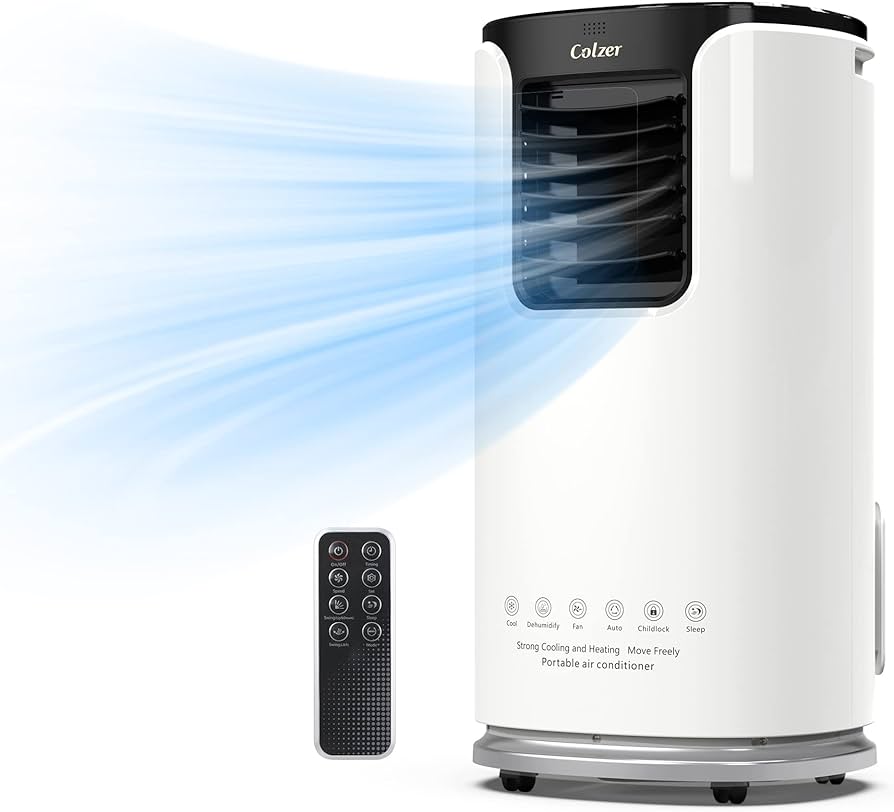
You’ll encounter this concept more often than you think in daily life. When you're shopping for a new window AC unit, a portable air conditioner, or even considering a central air system, you'll notice their capacities listed in BTUs. Knowing your room's square footage and the general BTU per square foot guideline empowers an informed decision, rather than just guessing. In educational settings, it's a practical application of basic physics, demonstrating principles of heat transfer and energy conservation. HVAC technicians learn precise calculations involving this to design efficient heating and cooling systems for homes and commercial buildings, ensuring everyone stays comfortable year-round.
Ready to explore it yourself? A super simple rule of thumb often used is around 20 BTU per square foot for a standard room with average ceiling height and insulation. So, a 250 square foot bedroom might need roughly 5,000 BTUs (250 x 20). However, this is just a starting point! For more precision, consider factors like window exposure (especially south-facing), insulation quality, ceiling height, occupants, and heat-generating appliances. Many websites offer free online BTU calculators where you can plug in these details for a more accurate estimate. Learning to think in terms of "BTUs per square foot" is a fantastic step towards becoming a more mindful energy consumer and ensuring your personal oasis stays perfectly cool!


