
Bronze Is An Alloy Of Copper
Hey there! Grab a mug, settle in. We need to chat about something kinda cool, something you probably see all the time but maybe don't really think about. We're talking about bronze!
You know bronze, right? Those fancy statues in the park, Olympic medals (well, third place ones!), bells with that deep, resonant sound. It looks so solid, so... ancient, doesn't it? Like it just popped out of the earth that way. But plot twist! It totally didn't.
Bronze isn't a "thing" on its own!
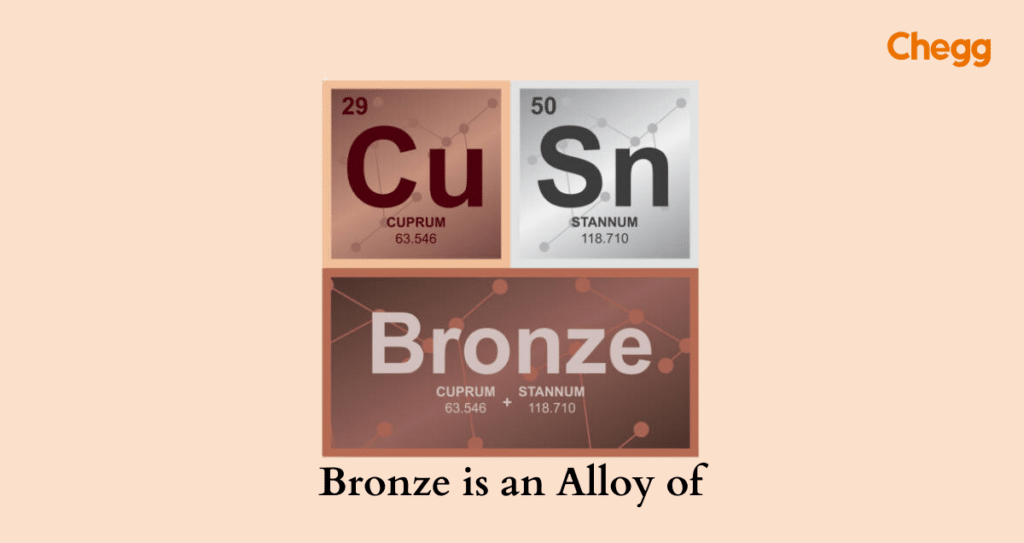
Here’s the scoop, and it’s a good one: Bronze is an alloy of copper. Yeah, an alloy. Sounds a bit science-y, I know, but stick with me. It’s actually pretty simple and super clever.
Must Read
Think of it like this: You wouldn't just eat a spoonful of flour and call it a cake, would you? (Please say no.) Flour is an ingredient, a crucial one, but it needs friends. An alloy is kind of the same deal. It's when you take two or more metals, or sometimes a metal and a non-metal, and you mush 'em together. Like a metallurgical smoothie!
So, bronze isn't just one element chilling by itself on the periodic table, giving itself airs. Nope. It's a team player. And the star player? That would be copper.
Copper Takes the Lead (Mostly!)
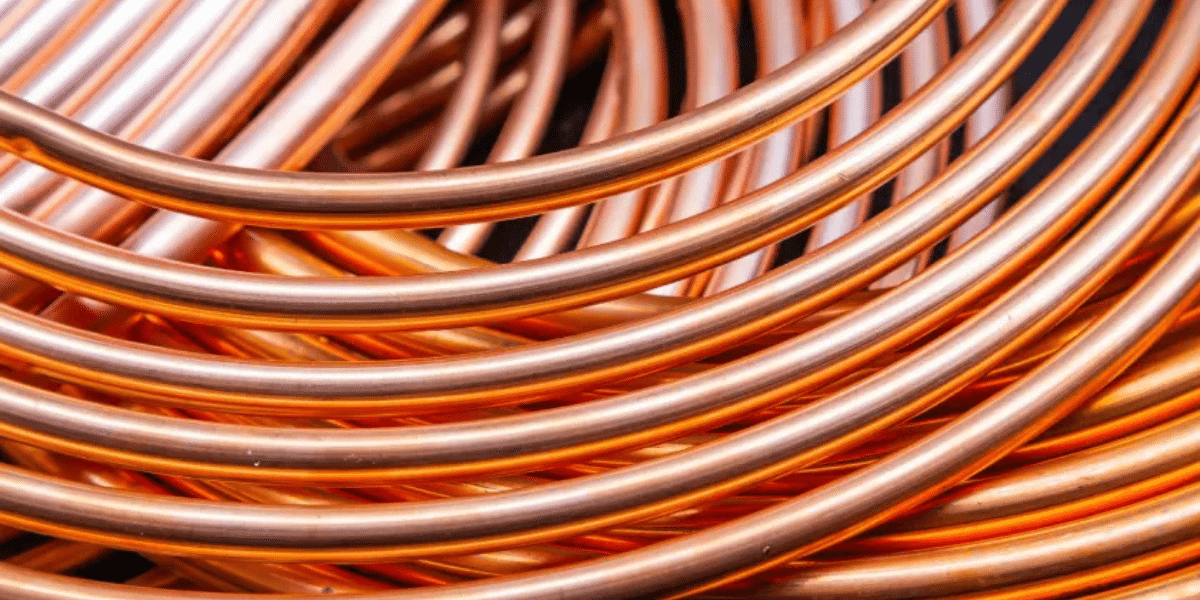
Yep, the main event, the biggest chunk of what makes bronze, is copper. Picture copper: reddish-brown, shiny, super bendy (or "ductile," if you want to get fancy). It's great for wires, pennies (well, mostly zinc now, but you get the idea!), and those lovely old pots. Copper is a really useful metal on its own.
But here’s the thing about pure copper: it's a bit of a softie. Bless its heart, it’s not exactly known for its rock-hard durability. You wouldn't want to build a bridge out of pure copper, unless you wanted a very wobbly bridge that might just... flop. Right?

Enter Tin: Copper's Best Buddy!
So, to give copper a bit of a backbone, a bit of oomph, we introduce it to its trusty sidekick: tin. That's right! Most classic bronze is primarily copper and tin. You melt them down together, mix 'em up real good, let them solidify, and voilà! You've got bronze.
And what a difference that little bit of tin makes! It's like adding a pinch of salt to a dish – suddenly, everything just tastes better. Tin, usually just a small percentage (think 10-12% is typical, but it varies), transforms that soft, reddish copper into something totally new.
The resulting bronze is usually a bit more golden, sometimes with a lovely reddish tint, and most importantly, it’s much harder. It’s also more resistant to corrosion, meaning it doesn't rust or degrade as easily as pure iron would, for example. Pretty neat, huh?

Why Bother Mixing?
Seriously, why go through all that trouble? Because by alloying copper with tin, we get a material with superior properties. We get something that's strong enough for tools, weapons (hello, Bronze Age!), sculptures that stand the test of time, and even those awesome cymbals in a drum kit.
Imagine trying to make a sharp sword out of pure, squishy copper. It would be... ineffective, to say the least. It'd probably bend on the first swing! But add some tin, and suddenly you have a material that can hold an edge, take a beating, and make history. Literally.
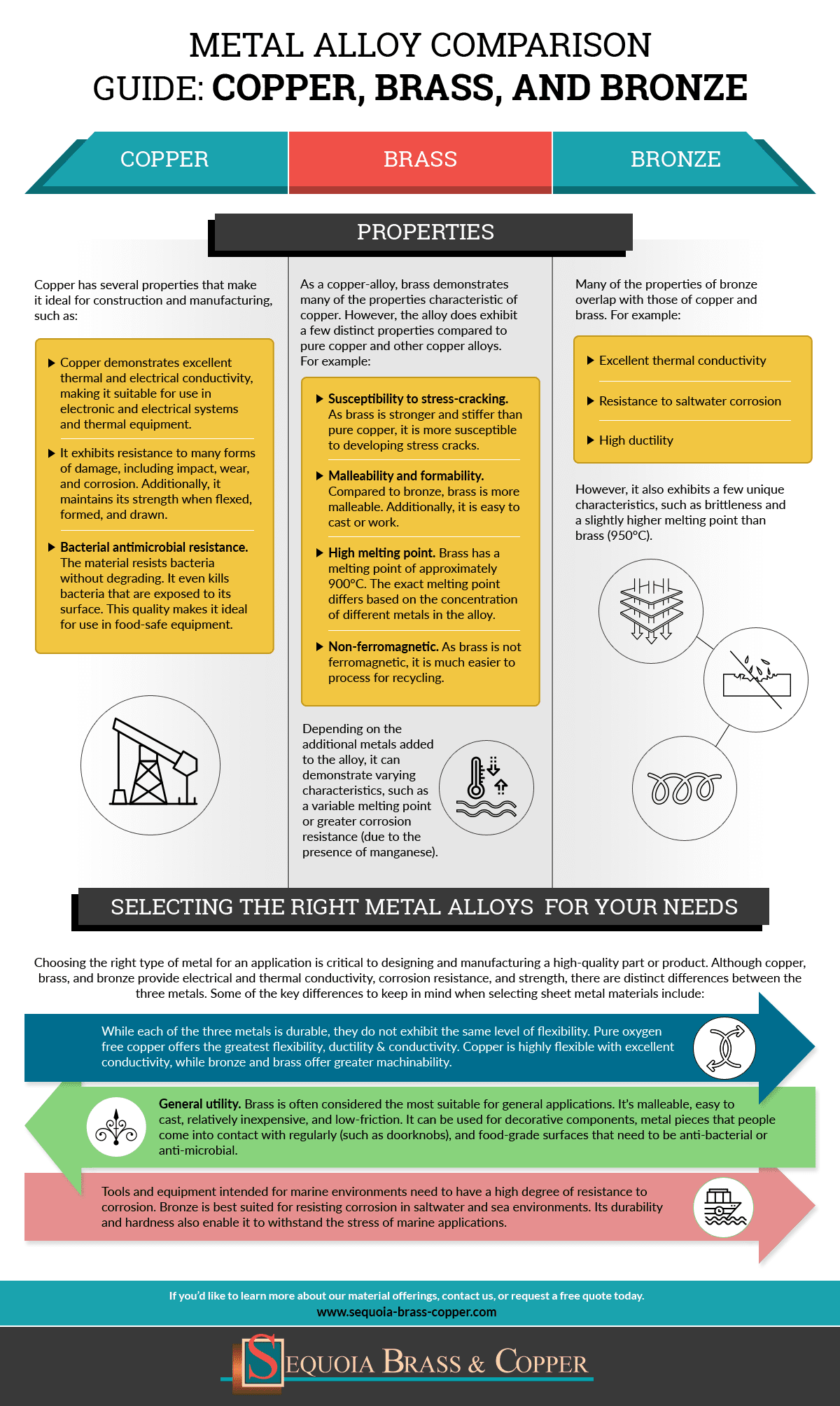
And sometimes, other elements join the party too! You might find small amounts of zinc, manganese, or aluminum in different types of bronze, each tweaking the properties for specific uses. But the core relationship? Copper and tin, forever and always, the dynamic duo of classic bronze.
It's All About the Blend!
So, next time you see a beautiful bronze statue, or hear the deep chime of a bronze bell, give a little nod to the clever folks who figured this out thousands of years ago. They realized that sometimes, two metals are better than one.
It’s a fantastic example of how combining things, even in small percentages, can create something far greater than the sum of its parts. Bronze isn't just copper; it's copper, evolved. Pretty cool for a chat over coffee, right?