
Brass Or Bronze How To Tell
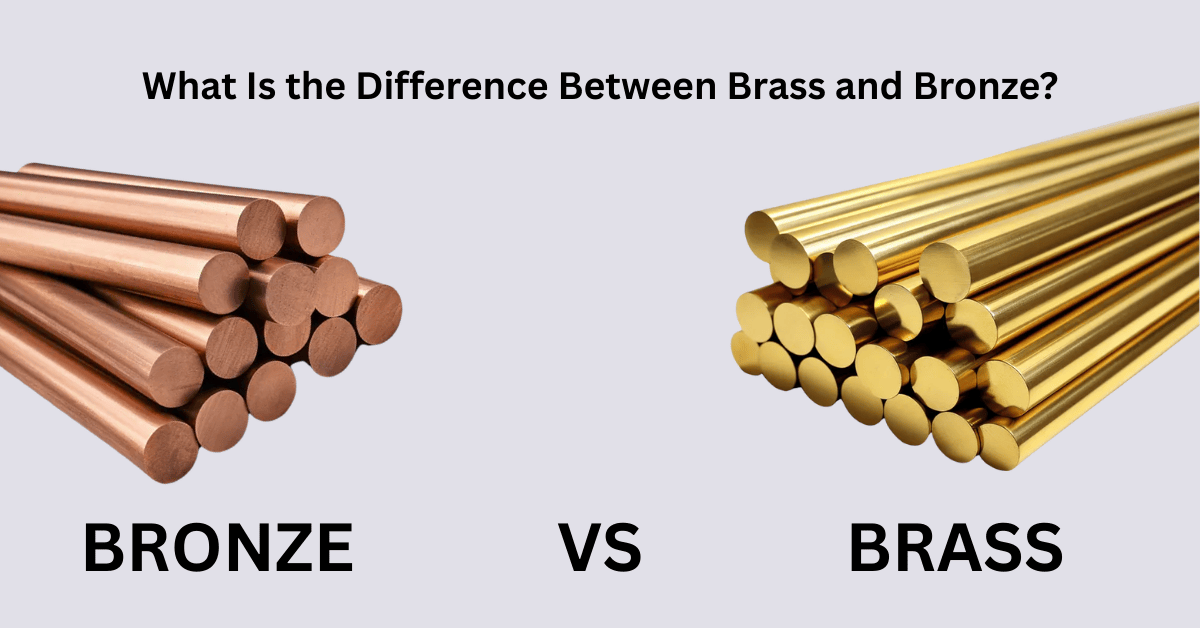
Ever picked up something shiny and golden, perhaps a lovely old knick-knack or a fancy doorknob? You hold it up, admire its gleam, and then a tiny question mark floats into your brain. Is it Brass? Or is it Bronze?
Ah, the age-old metal mystery! It’s like trying to tell twins apart when they’re wearing identical outfits. They both have that undeniable metallic charm, that warm, inviting glow. But deep down, you know they’re different.
And here's my slightly unpopular
opinion, whispered quietly: most of us have no idea. And honestly, that’s perfectly fine! They are both wonderful in their own right, even if they conspire to confuse us.
Must Read
The Great Metal Mix-Up: A Humorous Inquiry
Let’s be honest, distinguishing between these two can feel like a game show challenge. The stakes are low, thankfully. You usually won't win a new car for knowing the difference.
But for those moments when curiosity truly bites, when you simply must know, we can try to unravel their secrets. Think of it as playing detective, but with much shinier clues.
Prepare for a whimsical journey into the world of golden-hued metals. We promise it will be more entertaining than a metallurgy textbook, and far less strenuous on your brain cells.
Clue #1: The Color Conundrum
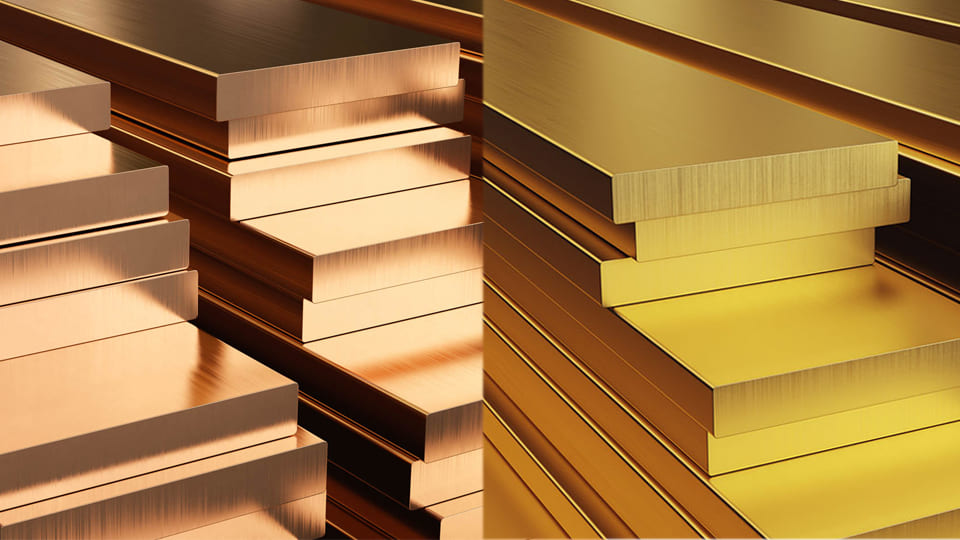
This is often the first clue we sniff out. Imagine two friends, one who loves bright, sunny yellow and another who prefers a deeper, more mellow reddish-brown.
Brass, generally speaking, is the brighter, more cheerful of the two. It tends to have a distinctly yellowish hue, almost like pure gold's playful cousin.
Think of a freshly polished trumpet or a sparkling new doorknob. That vibrant, sunny gleam? That’s often Brass waving hello. It’s got a lively, almost energetic shine.
Now, picture Bronze. It leans towards a deeper, more muted color. Imagine a rich, reddish-brown, like a perfectly toasted piece of bread or a beautiful autumn leaf.
It has a warmer, earthier tone. It's less "look at me!" and more "I've got stories to tell." It often feels more substantial and ancient, even when it's new.

However, and this is where the plot thickens, sometimes Brass can be darker, and Bronze can be lighter. It depends on their secret ingredient ratios. Tricky, right?
"It’s like trying to judge a book by its cover, but the book keeps changing its cover slightly."
Clue #2: The Sound Secret
This clue is a bit more advanced, and we absolutely do not recommend tapping all your shiny possessions with a spoon. Unless you own a bell.
If you gently tap something made of Bronze, especially a bell, you might notice a longer, deeper, more resonant ring. Think of grand church bells.
That beautiful, lingering tone? That’s the characteristic ring
of Bronze. It sounds substantial, with a rich, almost musical quality.
Brass, on the other hand, tends to produce a shorter, duller sound. It’s less of a grand symphony and more of a quick bonk
or clink
.
This isn't always foolproof, especially with smaller items. But if you have two very similar, bell-like objects, give them a gentle, responsible tap. The sound might just spill the beans.
Again, this is more for fun than definitive identification. Don't go around damaging antiques for science! Your significant other might have an unpopular
opinion about that.
Clue #3: The Patina Puzzle
Ah, patina
– that fancy word for the lovely layer of age that metals develop. This is where Brass and Bronze really start to show their true colors, literally.
Over time, when exposed to the elements, Bronze has a famous tendency to develop a greenish or bluish-green coating. Think of the Statue of Liberty.
She started out as a shiny reddish-brown. Now, she's a magnificent green. That’s Bronze aging gracefully, telling its story to the world. It's called verdigris.
Brass also ages, but it typically doesn't go quite so green. Instead, it tends to darken to a dull, brownish-black hue. It loses some of its initial shine.
It looks more like an old, tarnished penny than a verdant garden statue. It’s still beautiful, just in a different, less dramatic way. It's like the quiet achiever.
So, if you see an old, weather-beaten sculpture with a distinct green tinge, you’re almost certainly looking at Bronze. If it’s just dark and dulled, it might very well be Brass.
A Peek Into Their DNA: Simple Chemistry
At their core, these metals are alloys. That's a fancy word for a mix of different metals. They both start with a common, reddish-orange hero: copper.
Brass is primarily an alloy of copper and zinc. Think of zinc as the ingredient that gives it that bright, yellowish personality.
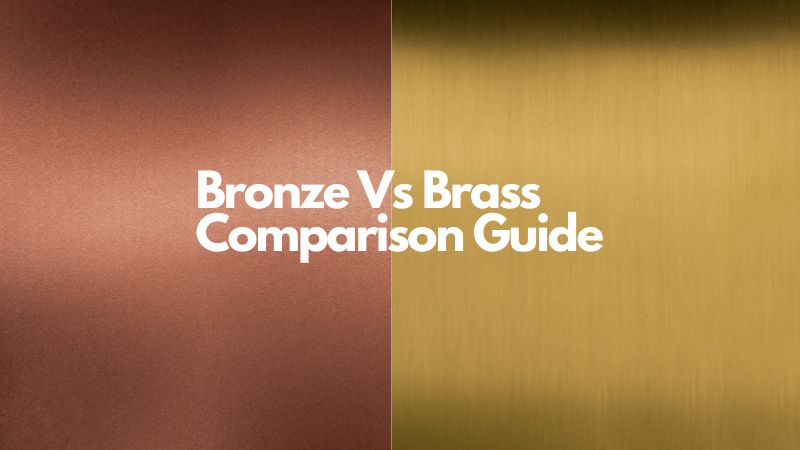
The more zinc, the yellower and brighter it tends to be. It's a simple, elegant combination that creates a versatile and attractive metal.
Bronze, on the other hand, is mostly copper mixed with tin. Sometimes other elements sneak in there, but tin is the main partner.
It's the tin that gives Bronze its strength, its deeper color, and its famous resistance to corrosion. It's the reason why ancient tools and statues made of Bronze have lasted for centuries.
Knowing these basic building blocks doesn't make it instantly obvious by looking, but it explains why they look and act differently. It's their unique recipe.
Where Do They Hang Out? Common Sightings
You'll find Brass in many places around your home. It’s popular for decorative items, musical instruments (think trumpets and trombones!), and plumbing fixtures.
Doorknobs, light fixtures, ornamental railings – Brass is often chosen for its good looks, ease of working, and how nicely it polishes up. It's quite the domestic superstar.
Bronze often gets the call for more heavy-duty or artistic applications. Sculptures, bells, marine fittings, and medals are frequently made from Bronze.
Its strength and resistance to saltwater corrosion make it ideal for statues and ship components. It's the metal that says I'm here to last
and I look good doing it.

So next time you're admiring a grand statue in a park, chances are you're looking at sturdy Bronze. If you’re polishing your Grandma’s old lamp, it’s probably shining Brass.
The Final Word: Embrace the Mystery!
So, we’ve explored the subtle differences, the color cues, the sound secrets, and the patina puzzles. Are you now a certified metal detective? Maybe! Or maybe you’re just more confused.
Here’s that slightly unpopular
opinion again, loud and clear: it’s okay if you still can't tell them apart perfectly. These metals are notoriously tricky, even for experts sometimes.
"Life is too short to stress over whether that pretty lamp is Brass or Bronze. Just enjoy its golden glow!"
The important thing is to appreciate the beauty and craftsmanship. Both Brass and Bronze have enriched our lives for centuries, bringing shine, strength, and artistry.
They are cousins in the metal family, close enough to look similar but with just enough personality to be unique. And their enduring charm is what truly matters.
So, next time you encounter a gleaming object, give it a little nod. Whether it’s Brass or Bronze, it's a testament to the wonderful world of metals, full of subtle secrets and endless beauty.
And if someone asks, you can confidently say, It's one of those beautiful
Or, if you’re feeling extra clever, you can share a tidbit about their patina.B
metals!
Either way, you'll sound incredibly sophisticated. And that, my friends, is a pretty good outcome for a casual metal investigation! Happy gleaming!