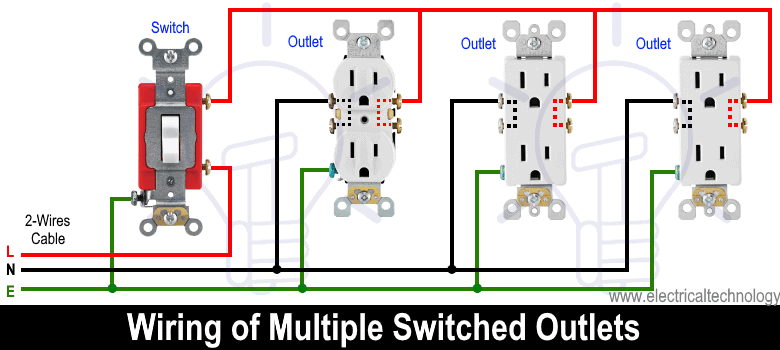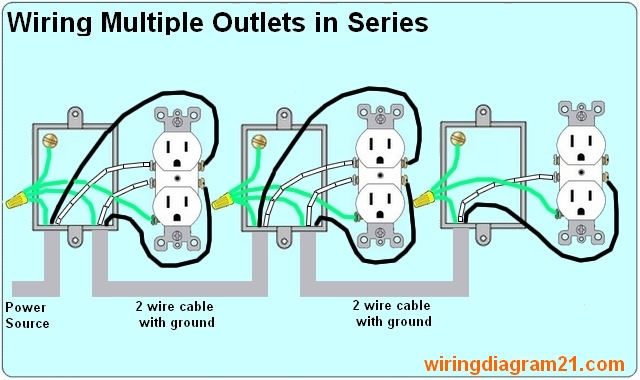
Let's be honest, the phrase "wiring outlets in series" probably doesn't conjure up images of exciting hobbies or thrilling weekend projects. But hear me out! For the hands-on homeowner, the DIY enthusiast, or anyone looking to understand the inner workings of their electrical system, grasping the basics of electrical wiring, including series circuits, can be surprisingly empowering – and even a little fun. Think of it as unlocking a secret level in your home improvement game. You'll be fixing things, customizing your setups, and saving money on electrician bills. What's not to love?
So, what's the deal with wiring outlets in series, and why would anyone want to do it? Well, the short answer is: you generally don't want to wire standard household outlets in series. Modern electrical codes and safety practices strongly discourage it, and for good reason. In a series circuit, the electricity flows through each outlet one after the other. This means the voltage gets divided between the outlets. If you plug in two appliances, the voltage available to each device will be significantly lower, potentially causing them to malfunction or not work at all. It's like trying to share a single glass of water between multiple thirsty people – no one gets enough!
However, understanding series circuits is still useful. While you wouldn't wire your wall outlets this way, series connections are foundational to understanding other electrical concepts. For example, think about old-fashioned Christmas lights. Those tiny bulbs were often wired in series. If one bulb blew, the entire string went dark because the circuit was broken. (Thankfully, modern Christmas lights often use parallel wiring to avoid this frustrating scenario.)
The key takeaway here is that in typical home wiring, outlets are wired in parallel, not series. Parallel wiring ensures each outlet receives the full voltage (typically 120V in North America), regardless of what's plugged into the other outlets on the circuit. This is why your TV doesn't dim when you turn on your blender (usually!).
So, how can you enjoy and learn more about electrical work *effectively* and, most importantly, *safely*? First and foremost: safety first! Electricity is dangerous, and you should always turn off the power at the breaker box before working on any electrical circuit. Use a non-contact voltage tester to ensure the power is off. If you're not comfortable working with electricity, hire a qualified electrician. It's always better to be safe than sorry.
For those comfortable learning the basics, start with simple projects. Learn how to replace an outlet or a light fixture. There are countless resources online, including videos and tutorials. Focus on understanding the principles of parallel wiring and grounding. Familiarize yourself with your local electrical codes. Consider taking a basic electrical wiring course at a community college or vocational school. And remember, never experiment with wiring outlets in series for general use within your home. Keep your focus on understanding the concepts and applying them to safe and code-compliant practices. Electricity can be fascinating, but respect its power and always prioritize safety!