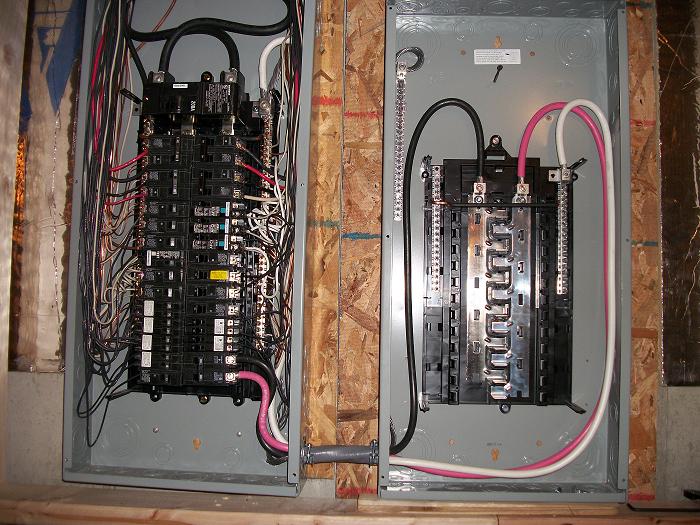
So, you're thinking about wiring a sub panel? Awesome! That's like adding a mini-power station to your house. Sounds kinda epic, right?
But wait, before you grab your toolbox and channel your inner electrician, let's talk about what a sub panel *actually* is. Think of your main electrical panel as mission control. It's where all the power for your house comes in. A sub panel? It's like a remote outpost. It gets power from the main panel and distributes it to a specific area.
Why Bother with a Sub Panel?
Great question! Imagine you're building a workshop in your garage. You'll need power for tools, lights, maybe even a mini-fridge for those essential workshop beverages. Tapping into the existing circuits could overload them, causing breakers to trip more often than your clumsy uncle at a wedding. No fun!
That's where a sub panel swoops in to save the day. It gives you a dedicated source of power. More power = more fun! Plus, it keeps your main panel from getting overwhelmed.
The Fun (and Slightly Scary) Part: Wiring It Up
Alright, let's be clear: electricity is not a toy. It's like a grumpy dragon that breathes fire (or, you know, electricity). If you're not comfortable working with electricity, hire a qualified electrician.Seriously. Your life and your house are worth it.
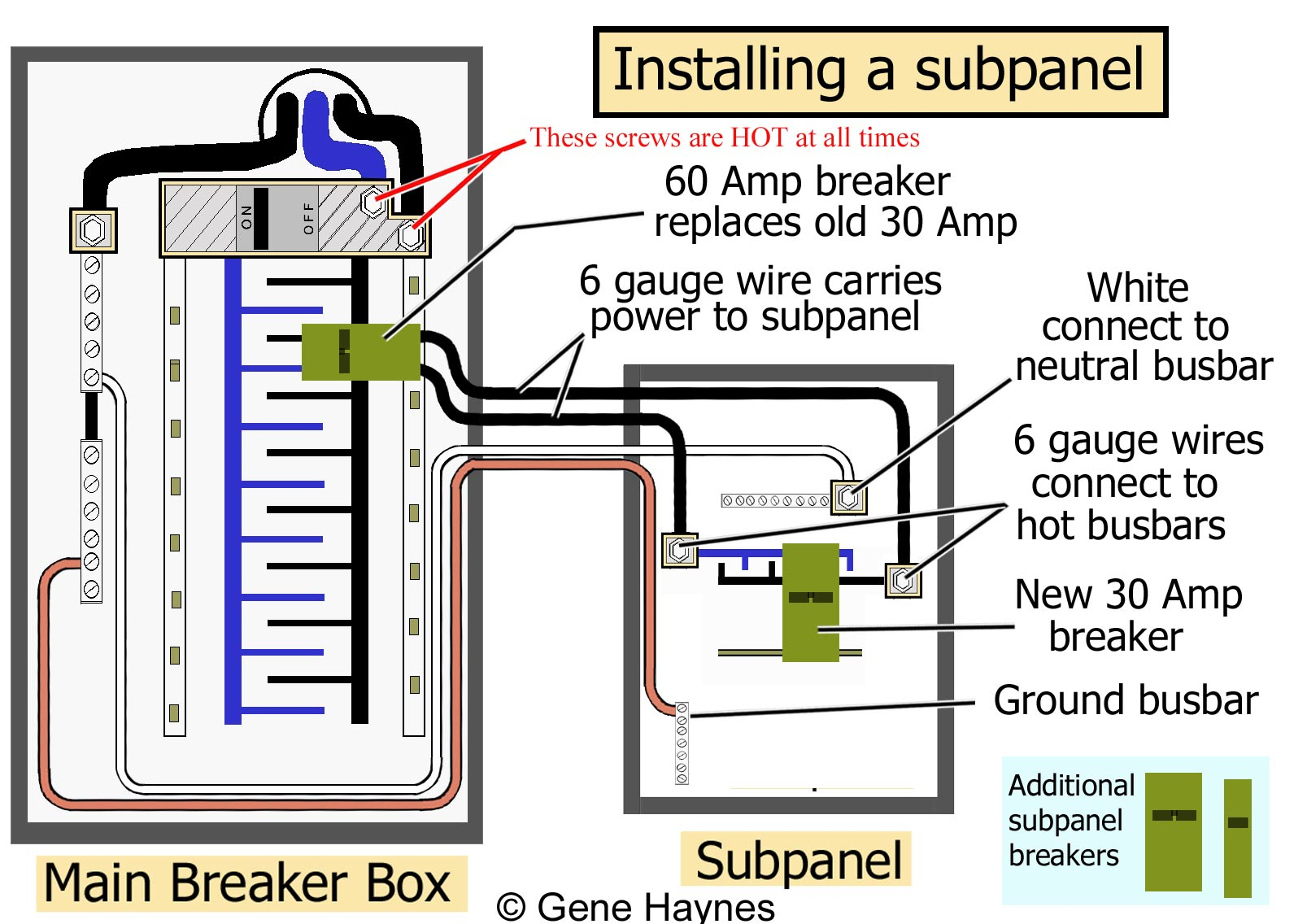
Still here? Okay, you brave soul! Let's assume you've got some electrical know-how (and maybe a guardian angel hovering nearby). The process basically involves running a hefty cable from your main panel to your new sub panel. This cable usually contains four wires: two "hot" wires (usually black and red), a neutral wire (usually white), and a ground wire (usually green or bare copper). Each wire has a very important task!
Think of the hot wires as the power delivery people, the neutral as the return road, and the ground as the emergency exit.
Now, you’ll need to shut off the main breaker in your main panel. Yes, the *whole* thing. Double, triple check. No power, no zaps. Safety first!
Next, connect those wires to the appropriate breakers in both panels. It's like connecting the dots, but with potentially shocking consequences if you mess up. Remember to *always* follow your local electrical codes. They're there for a reason. Nobody wants a house fire started by a rogue wire.
Quirky Facts & Funny Details
* Did you know that the color of the wires isn't just for show? They actually have a standardized meaning. It’s like a secret code for electricians! * That ground wire? It's the unsung hero of your electrical system. It provides a safe path for electricity to flow in case of a fault, preventing you from becoming part of the circuit (and getting a shocking surprise!). * Some electricians have nicknames for different types of wire. Romex is sometimes called "NM cable," but some older electricians may call it "loom." Kinda old-school, right? * Ever notice that electrical panels hum? That's the sound of the transformers working hard to convert voltage. It's like the gentle purr of your house's electrical heart.Things to Consider
* Panel Size: How much power do you need? A tiny sub panel won't cut it if you're running heavy-duty equipment. * Wire Gauge: The thickness of the wire matters. Thicker wire can handle more current. Using the wrong gauge wire is like trying to drink a milkshake through a coffee stirrer. * Permits: In most places, you'll need a permit to install a sub panel. Check with your local building department *before* you start any work. Nobody wants to get fined. * Future Expansion: Think ahead. Will you need more power in the future? It's better to install a slightly larger sub panel now than to have to upgrade later.Why This is Just Plain Fun
Okay, maybe "fun" is a strong word for dealing with electricity. But there's something incredibly satisfying about understanding how your house's electrical system works. It's like unlocking a secret level in the game of homeownership.
Plus, when you successfully wire a sub panel (safely and correctly, of course!), you gain a new level of DIY bragging rights. You can impress your friends with your newfound electrical prowess. Who knows, you might even become the go-to electrical guru in your neighborhood! Just remember to always recommend they hire a pro if they’re not comfortable with the work. Safety is key!
So, there you have it. A whirlwind tour of sub panel wiring. Now go forth and conquer… carefully! Or, you know, call an electrician. That's totally cool too.