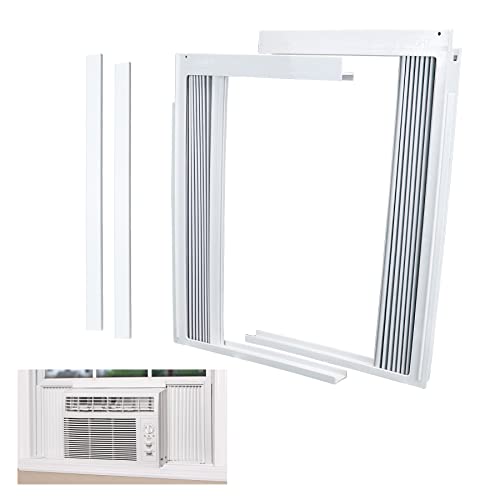
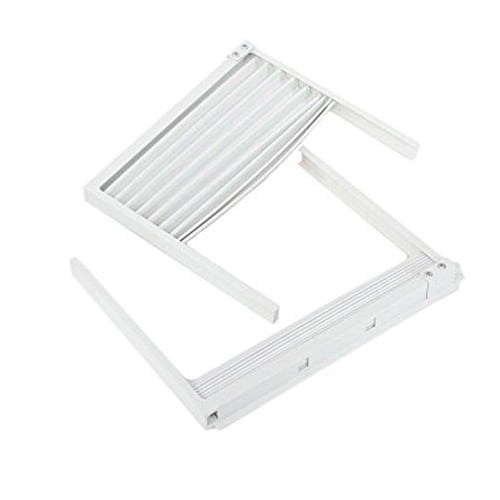
Ah, the sweet relief of air conditioning! There's nothing quite like stepping into a cool, crisp oasis after battling the summer heat. But what if that oasis is more like a… damp cave, with drafts and skyrocketing energy bills? That's where our unsung hero comes in: the humble window filler for air conditioners.
Let’s face it, sticking an air conditioner in a window often leaves unsightly gaps. These gaps aren't just an aesthetic nightmare; they're energy vampires! They allow precious cold air to escape, forcing your AC to work harder (and your wallet to suffer). Plus, they invite unwanted guests like dust, pollen, and even insects into your home. The purpose of window fillers is simple yet profound: to create an airtight seal around your window AC unit, maximizing its efficiency and keeping the elements out.
You've likely seen window fillers in action countless times. The most common example is the adjustable side panels that come standard with many window AC units. These accordion-like panels slide out to fill the space between the unit and the window frame. However, these aren't always the most effective, especially in older windows that aren’t perfectly square. Other common examples include foam weather stripping, which can be cut and applied to fill smaller gaps, and even DIY solutions like cardboard or plywood (though we don't necessarily recommend those for long-term use!). More sophisticated options include insulated panels or even custom-cut acrylic sheets.
So, how can you get the most out of your window filler and enjoy a cooler, more comfortable, and less expensive summer? Here are some practical tips:
First, measure carefully! Before purchasing any filler material, accurately measure the gaps around your AC unit. Precision is key to ensuring a snug fit. Avoid the temptation to "eyeball" it; you’ll likely end up with gaps anyway.
Second, choose the right material. If the included side panels are insufficient, consider upgrading to a higher-quality option like dense foam or insulated panels. For smaller gaps, self-adhesive foam weather stripping is a fantastic and easy-to-install solution.
Third, ensure a proper seal. Once your filler is in place, carefully inspect it for any remaining gaps. Use caulk or additional weather stripping to seal any cracks or openings. This is crucial for preventing air leaks and maximizing efficiency.
Fourth, don't forget about the top and bottom. While side gaps are the most common issue, air can also leak from the top or bottom of the AC unit. Use weather stripping or foam to seal these areas as well.
Finally, regularly inspect your seals. Over time, weather stripping and foam can degrade due to exposure to sunlight and moisture. Regularly check your seals and replace any damaged or worn materials to maintain optimal performance.
By taking the time to properly seal your window AC unit with effective fillers, you'll not only enjoy a cooler and more comfortable home but also save money on your energy bills. So, embrace the power of the humble window filler – your wallet and your comfort level will thank you!