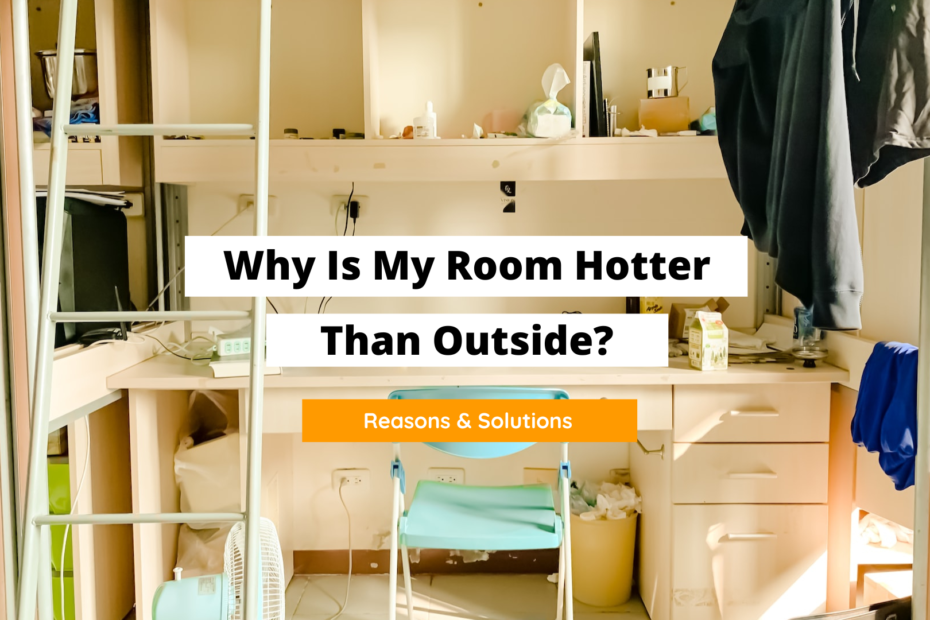
Hey friend! Ever walk into your room on a beautiful day and think, "Ugh, it's like a sauna in here! What gives?" Yeah, me too. It's a super common problem, and honestly, it's less about some mystical room gremlin and more about... science! (Don't worry, it's not *that* scary.) Let's break down why your room might be hotter than the great outdoors.
The Greenhouse Effect (Your Room Edition)
Think of your room as a mini greenhouse. Sunlight streams in, warming everything up – the furniture, the walls, even that pile of laundry you've been meaning to tackle (we've all been there!). The thing is, that heat gets trapped.
It's like when you leave your car in the sun on a summer day. You get in and BAM! Instant heat stroke. The sunlight comes in through the windows, turns into heat, and then... can't easily escape. Your room is doing the same thing, only on a slightly smaller, less vehicular scale.
Key takeaway: Sunlight + Windows = Potential Oven.
Windows: The Two-Way Street (Mostly One-Way for Heat)
Windows are great for letting in light and giving you a view of the world (or the neighbor's cat doing acrobatic stunts). But, they're not always the best at keeping heat out. Single-pane windows? Basically heat magnets. Double-pane windows are better, but even they aren't perfect. Think of them as a slightly thicker sweater for your house – better than nothing, but not exactly a parka in a blizzard. (Or a sauna, in this case!)
Pro Tip: Check your windows for drafts. If you feel a breeze, you’re not just losing heat in, you're losing cool air out. It's like your AC is working overtime just to keep up with the heat seeping through the window cracks! No bueno.
Insulation Issues (Or the Lack Thereof)
Okay, let's talk insulation. It's the stuff in your walls and ceiling that's supposed to keep your house cozy year-round. Good insulation is like a well-padded blanket, keeping the heat where you want it (inside in the winter, outside in the summer). Bad insulation? Well, that's like wearing a t-shirt in Antarctica. (I’m exaggerating, but you get the point.)
If your room is poorly insulated, heat from the roof or walls can easily radiate into your room, making it feel warmer than the outside. Especially if you live in an older house, insulation might be lacking or deteriorating. Time for a check-up from a qualified professional!
Heat-Absorbing Surfaces: Dark Colors & Concrete Jungle
Dark colors absorb more heat than light colors. So, if your room is painted a deep, dramatic shade of burgundy (or even a dark gray), it's likely absorbing a lot of sunlight and turning it into heat. The same goes for your furniture. That sleek black leather couch might look awesome, but it's basically a solar panel in disguise!
Also, think about your surroundings. If you live in a city with lots of concrete and asphalt, those materials absorb and radiate heat like crazy. That radiant heat can then seep into your home, making your room feel even warmer. So, blame the urban heat island effect! (It's a real thing, look it up!)
Electronics: Silent Heat Generators
Don't forget your electronics! Computers, TVs, game consoles... they all generate heat, even when they're not actively being used. It's like they're secretly plotting to turn your room into a gaming-themed sweat lodge. Turn off those devices when you're not using them, or at least unplug them. Not only will it help cool down your room, but it'll also save you some money on your electricity bill!
A little tip: Try and resist the urge to marathon your favorite shows while the sun is at its peak. This might help prevent your room from reaching unbearable temperatures.
What Can You Do About It? (Besides Moving to Antarctica)
Okay, so now you know why your room is a furnace. But what can you do about it? Don't despair! Here are a few ideas:
- Curtains or Blinds: Invest in some good quality blackout curtains or blinds to block out sunlight during the hottest parts of the day. Think of them as sunglasses for your room.
- Fans: A fan can help circulate air and make the room feel cooler, even if it's not actually lowering the temperature. A ceiling fan is ideal, but even a small desk fan can make a difference.
- Window Film: Special window film can help reduce the amount of heat that enters your room through the windows. It's like sunscreen for your glass!
- Strategic Ventilation: Open windows on cooler nights to let in fresh air and help flush out the accumulated heat.
- Embrace Lighter Colors: If you're redecorating, opt for lighter colors that reflect heat instead of absorbing it.
Remember: Even small changes can make a big difference!
The Uplifting Conclusion
So, there you have it! Your room isn't hotter than outside because of magic or spite. It's just a confluence of factors, all working together to turn your personal space into a… well, let’s just say “a very warm environment”. The good news? You now have the knowledge (and hopefully the motivation!) to fight back and reclaim your cool, comfortable haven. Go forth and conquer that heat, my friend! You got this!