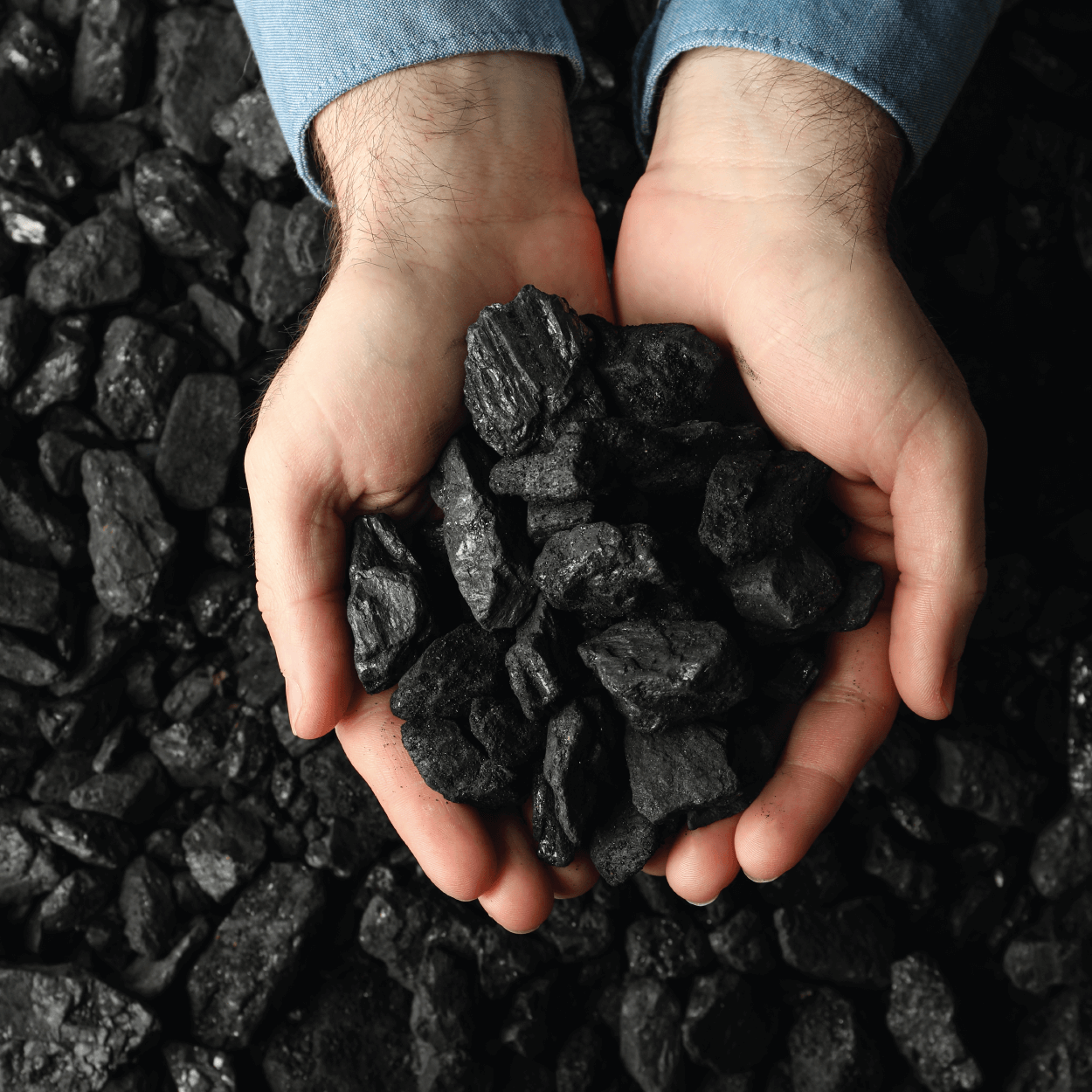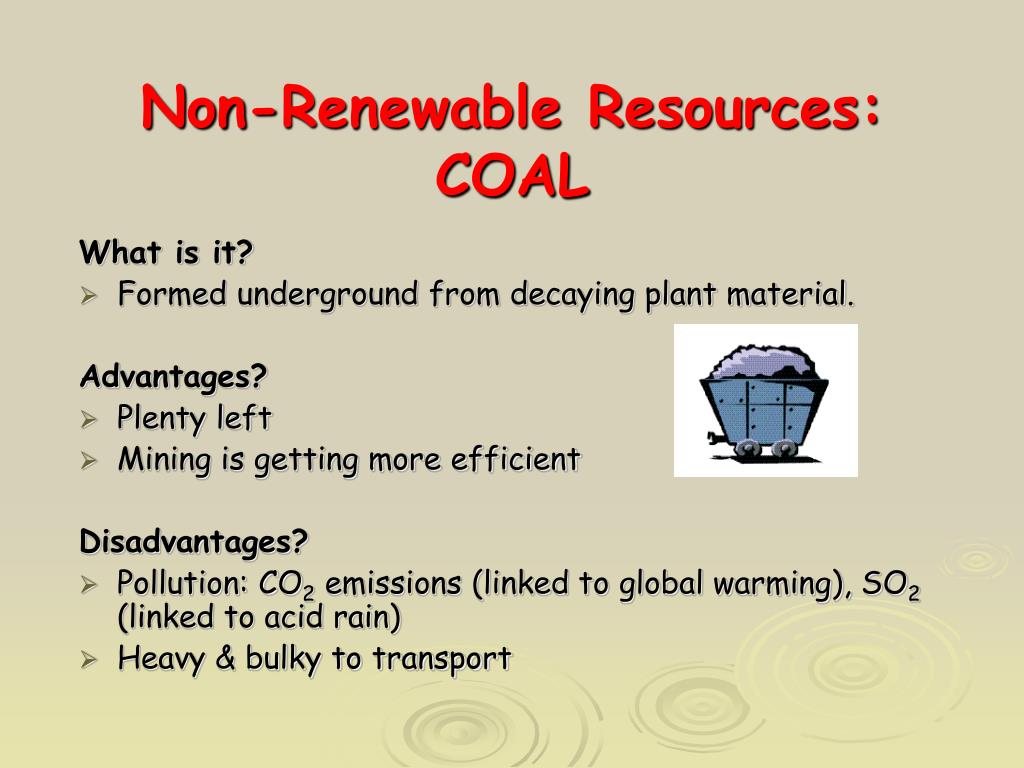
Okay, let's talk coal. That black, chunky stuff we sometimes associate with Victorian England, Santa's naughty list, and, you know, keeping the lights on (or at least, *used* to keep them on). But here's the rub: why is everyone always going on about coal being nonrenewable? Sounds like some fancy science term, right?
Well, think about it this way. Imagine you're making chocolate chip cookies. Delicious, right? You use flour, sugar, butter, and, of course, those precious chocolate chips. Now, let's say chocolate chips take *millions* of years to make, formed deep underground in the Chocolate Chip Mine of Doom (okay, I'm making that up, but go with it). You can't just whip up a new batch of chocolate chips in an afternoon, can you?
That, my friends, is essentially the story of coal. Coal is basically the cookie – the energy source – and those "chocolate chips" are ancient plants and trees. Very, very ancient. We’re talking prehistoric ferns, swampy vegetation, all that good stuff.
So, Where Did All This Ancient Plant Life Go?
Millions of years ago (way before even your great-great-great-great-great-grandparents were a twinkle in someone's eye), these plants died and fell into swamps. Imagine a HUGE compost heap, but underwater. Over time, layer upon layer of this dead plant matter piled up, getting squashed and compressed by the weight of the earth above. Think of it like accidentally leaving your favorite sandwich at the bottom of your backpack for a week. Except, instead of a week, it’s millions of years, and instead of your backpack, it's the entire planet. Tasty thought, huh?
This intense pressure and heat, over eons, transformed that squashed plant matter into peat, then lignite, then bituminous coal, and finally, anthracite – the hardest, shiniest, and most energy-rich type of coal. It's a slow-cooker recipe of epic proportions!
Here's the crucial point: this process takes millions of years. We're talking geological timescales here. It’s not like you can plant a tree today and have coal ready to go by next Tuesday. If we could, I'd be rich!
The "Nonrenewable" Part
That’s why coal is considered nonrenewable. We're using it up far faster than it can be naturally replenished. It’s like eating all the chocolate chips from that gigantic Chocolate Chip Mine of Doom in a single weekend. Sure, you had a fantastic weekend, but now… no more chocolate chips! Cue the sad music.
We're burning coal at a rate that’s way, way faster than it's being formed. To put it in perspective, imagine you're draining a swimming pool with a giant pump, but only refilling it with a tiny eyedropper. Eventually, the pool will be empty, right?
That's what's happening with coal. We're guzzling it down like it's the last soda on a hot day, but it takes millions of years for nature to make more. Hence, nonrenewable.
Why Does It Even Matter?
Okay, so coal is nonrenewable. Why should we care? Well, burning coal releases carbon dioxide (CO2) into the atmosphere, which contributes to global warming and climate change. It's like adding too much food coloring to your cake – suddenly, it’s not the lovely treat you envisioned.
Think of renewable energy sources – solar, wind, hydro – as being able to make more cookie dough quickly and easily. We can make more flour, sugar, and butter every year, so cookies aren't a finite resource. It’s why there's a big push towards these alternatives.
So, the next time you hear someone mention coal being nonrenewable, remember the chocolate chip cookie analogy. It’s a limited resource, and once it’s gone, it’s gone… at least for a few million years. And nobody wants to wait that long for more chocolate chips, or a cleaner, greener planet.
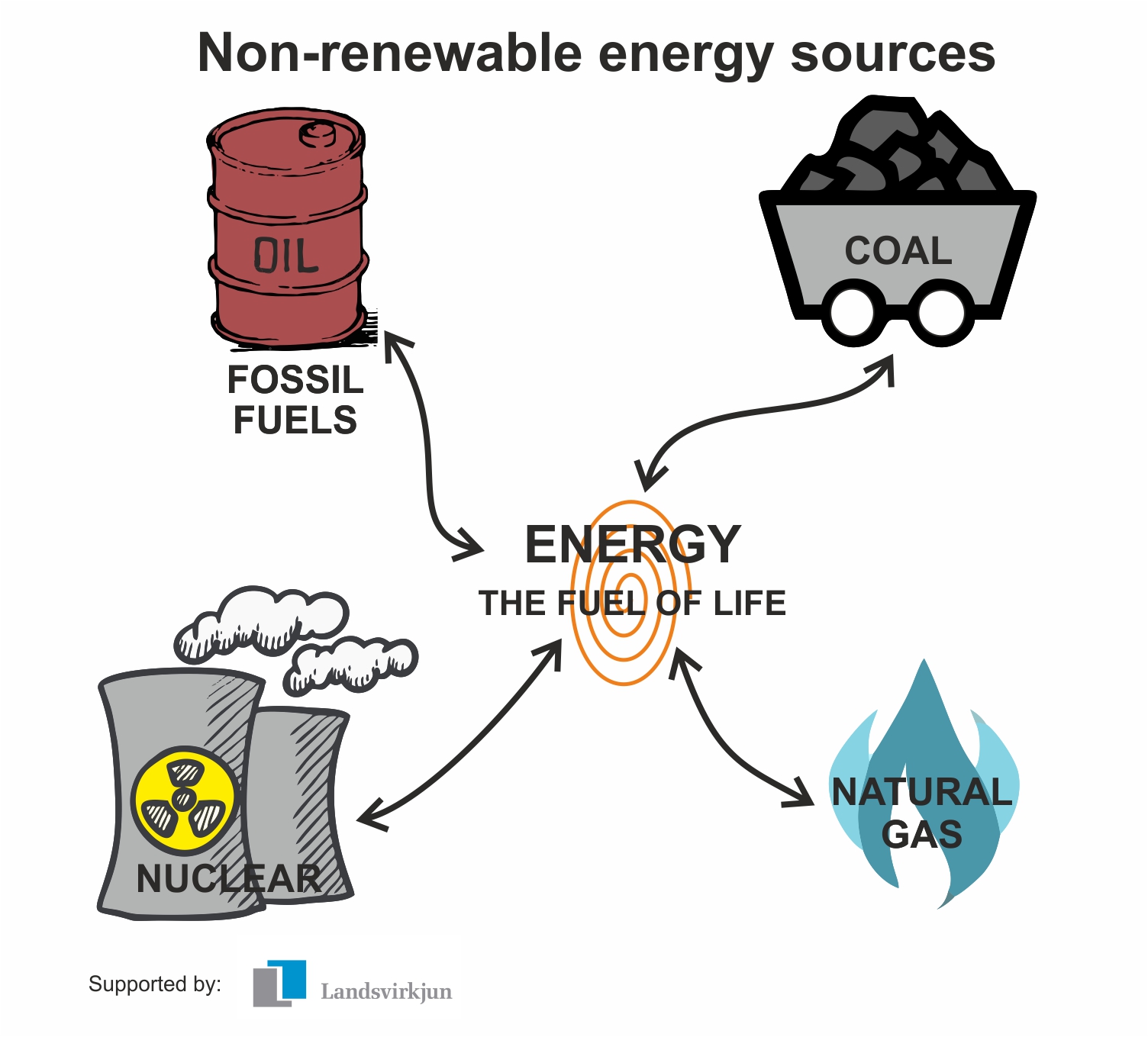
:max_bytes(150000):strip_icc()/nonrenewableresource-final-2c7367b9eead4669bde8367d3fe44d26.png)