Hey there! So, your well pump's decided to pull an all-nighter, huh? Buzzing away like a caffeinated hummingbird? I feel your pain! A non-stop well pump can be a real headache (and a wallet drainer!). Let's figure out why this is happening. Grab your metaphorical coffee – or maybe a real one – and let’s dive in!
Pressure Switch Problems? Maybe!
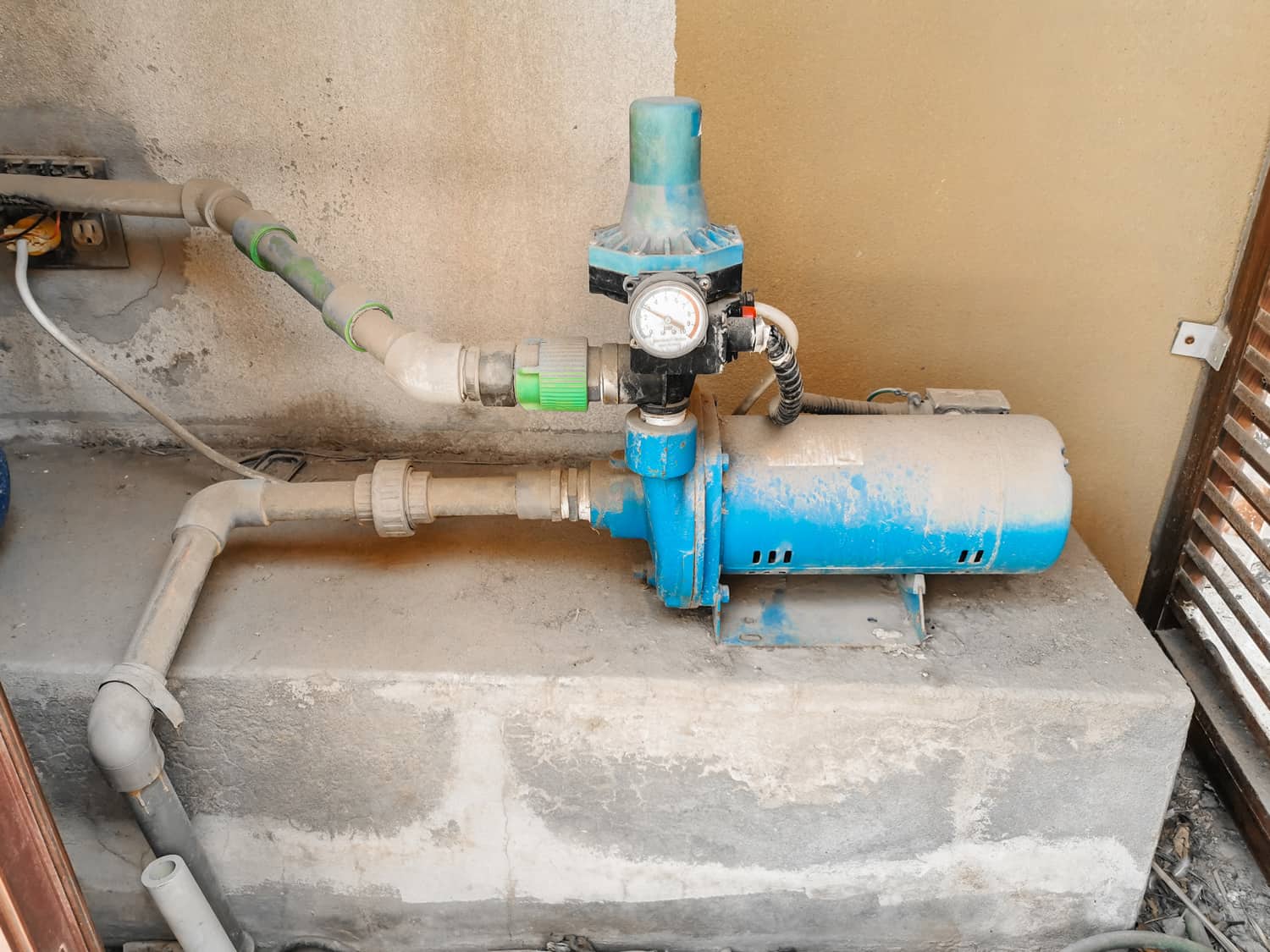
First things first: that little gizmo called the pressure switch. It's basically the brains of the operation, telling your pump when to kick on and off. Think of it as the pump's boss, saying "Hey, we need more water!" or "Alright, we're good, take a break!". If it's gone haywire, well, you've got yourself a party that never stops. Is it dirty? Corroded? Does it look like it's seen better days? These are all clues!
A faulty pressure switch might not be sensing the correct pressure in your system. It could be stuck in the "ON" position, basically forcing your pump to work overtime. Sometimes you can give it a little tap (carefully!) to see if it unsticks. No luck? It might be time for a new one. Don't worry, they're not usually super expensive, and replacing one is a DIY project for the slightly adventurous homeowner.
Leaky Situation?
Leaks, leaks everywhere! Okay, maybe not everywhere, but even a tiny leak can cause your pump to run constantly. Think about it: if water is constantly escaping the system, the pressure will keep dropping, triggering the pump to keep refilling. It’s like trying to fill a bathtub with the drain open! Frustrating, right?
Check your faucets (inside and out!). Look under sinks, around toilets, and especially at outdoor spigots. Don't forget about your appliances – dishwashers, washing machines, even your refrigerator's ice maker line can be sneaky culprits. Sometimes the leak is obvious – a dripping faucet, a puddle on the floor. Other times it's more subtle. It's water detective time!
And don’t forget to check the well itself and the pipes leading to and from it. These leaks might not be inside the house, but are the most devastating to your well. If you find a leak, fix it ASAP! It'll save you water, energy, and prevent your pump from wearing out prematurely.
Tanked Up? Or Tanked Out? (Your Pressure Tank, That Is!)
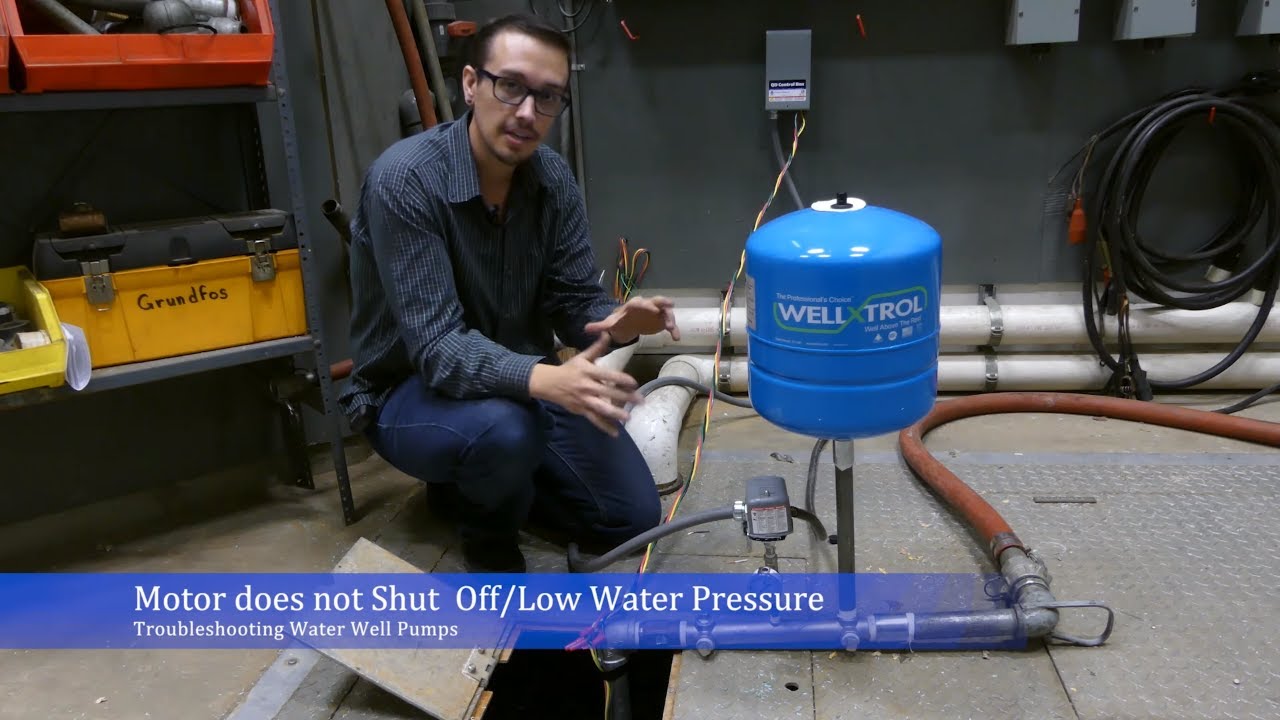
Your pressure tank is like a water reservoir, holding a supply of water under pressure. This means your pump doesn't have to turn on every single time you need a glass of water. Smart, huh? But if the tank is faulty, the pump will be working overtime. Is your tank waterlogged? Does it sound hollow when you tap on it? These could be signs of trouble.
The pressure tank has a bladder inside, separated air and water. If the bladder is damaged or has lost its air charge, the tank can become waterlogged. This means it's mostly full of water and has very little air pressure. The result? Your pump will cycle on and off rapidly, also known as short cycling. Not good!
You can try adding air to the tank, but if the bladder is ruptured, a new tank is likely the answer. Replacing a pressure tank can be a bit more involved than replacing a pressure switch, but still manageable for a DIYer with some plumbing know-how. Otherwise, call in the pros!
Low Well Yield? Uh Oh!
Sometimes, the problem isn't with your pump or your plumbing. It's with your well itself. If your well's water table has dropped – maybe due to drought or increased demand in your area – your pump might be struggling to keep up. This is called a low well yield, and it's a bigger problem to tackle.
When your well yield is low, the pump will run continuously trying to fill the pressure tank, but it just can't keep up. You might notice that your water pressure is low, or that you run out of water more easily. A hydrogeologist (basically a water well expert) can assess your well's yield and recommend solutions, which might include deepening the well, hydrofracking (a process to increase water flow), or even drilling a new well. Hope that’s not the case, but it’s good to know!
Other Culprits
There are other, less common, reasons why your well pump might be running non-stop. A stuck check valve, which prevents water from flowing back into the well, can cause issues. Sediment or debris in the well can also clog the pump or the pipes, causing it to work harder than it should. It’s like trying to breathe through a straw full of cotton candy.
So, there you have it! A rundown of the usual suspects behind a pump that just won't quit. Start with the easiest fixes – checking for leaks, inspecting the pressure switch – and work your way up. If you're not comfortable tackling any of these tasks yourself, don't hesitate to call a qualified plumber or well service professional. They'll get your pump back to its regular schedule in no time. Good luck!