
Ever been reading a good book under the soft glow of an LED lamp, only to be slightly annoyed by a subtle, persistent flicker? Or perhaps you've noticed your kitchen LEDs doing a little disco dance while you're trying to cook dinner? It's more common than you think! Understanding why your LED light bulb flickers isn't just about fixing the problem – it's a fun little dive into the world of electronics and how things work. Plus, who doesn't love a good mystery?
So, what exactly is an LED, and why should we even care if it flickers? LED stands for Light Emitting Diode. Think of it as a tiny, energy-efficient light source. Unlike old-school incandescent bulbs that heat a filament to produce light, LEDs generate light through a process called electroluminescence, where electricity directly excites electrons in a semiconductor material. This means they use significantly less energy and last much longer – benefits that have made them incredibly popular for everything from home lighting to traffic signals to the tiny indicator lights on your gadgets.
LEDs are all around us! In education, they're used in projectors, interactive whiteboards, and even in science experiments to demonstrate light and electricity. In daily life, you'll find them in your car headlights, your phone screen, your refrigerator, and, of course, in your home lighting. Their efficiency makes them a more sustainable choice, helping to reduce energy consumption and lower electricity bills.
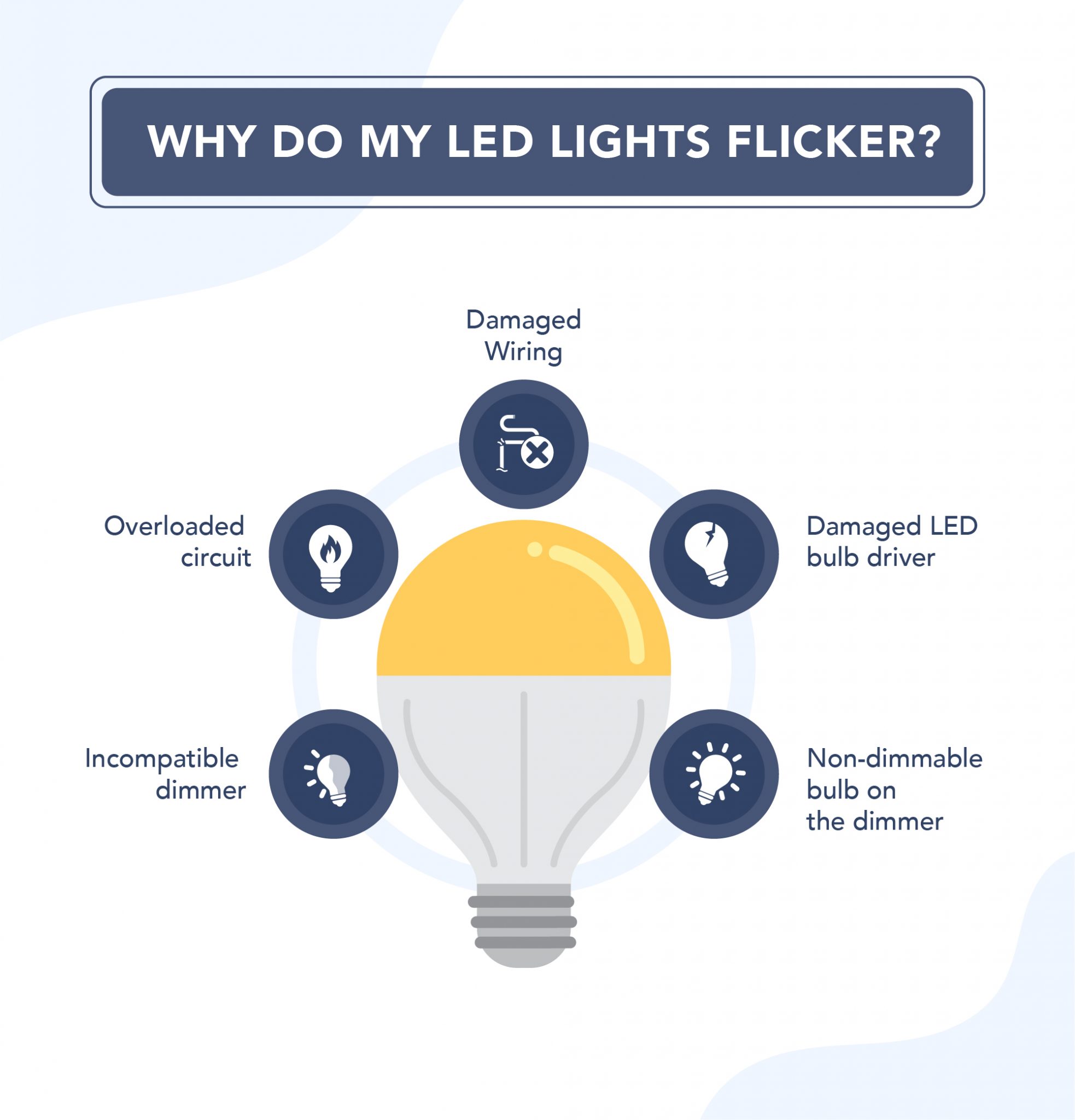
But back to the flickering. Several factors can cause this annoying phenomenon. One common culprit is a loose connection. Just like with any electrical device, a slightly loose bulb in its socket can create intermittent contact, leading to flickering. Another frequent cause is incompatibility with the dimmer switch. Not all dimmer switches are designed to work with LEDs, and using the wrong type can cause flickering or even damage the bulb. Voltage fluctuations in your home's electrical system can also contribute. These fluctuations, often caused by other appliances turning on and off, can briefly interrupt the power supply to the LED, resulting in a flicker. And finally, sometimes, it's simply a faulty bulb. Even with their long lifespan, LEDs can occasionally fail or have manufacturing defects that lead to flickering.
What can you do about it? Here are a few practical tips to investigate the flickering: First, try tightening the bulb in its socket. It sounds simple, but it often works! Next, check if you're using a compatible dimmer switch. The packaging of the LED bulb should indicate whether it's compatible with dimmers. If you suspect voltage fluctuations, try plugging the lamp into a different outlet on a different circuit. If none of these solutions work, it might be time to replace the bulb. As a fun experiment, try swapping the flickering bulb with a known working bulb from another lamp. This helps you isolate whether the issue is with the bulb itself or with the fixture or wiring.
So, the next time your LED bulb starts flickering, don't just sigh in frustration. See it as an opportunity to learn a little more about the fascinating world of electronics and troubleshoot a common household issue. You might just surprise yourself with your newfound electrical detective skills!


