Okay, picture this: I'm snuggled under a mountain of blankets, hot cocoa in hand, watching some terrible reality TV. Pure bliss, right? Then, WHAM! The air suddenly smells like…burning toast? And a weird, almost electric, heat starts blasting out of the vents. Yep, my auxiliary heat decided to crash the party. Ugh.
So, naturally, I started spiraling. Is the house about to explode? Am I bankrupt from the electricity bill I'm undoubtedly racking up? Is this a sign I should finally learn to knit my own sweaters? Turns out, it's probably none of those things. (Probably.) The auxiliary heat kicking on isn't always a disaster, but understanding *why* it's happening is key to avoiding those "burning toast" panic attacks.
Let's break down why your auxiliary heat might be throwing its own little rave in your HVAC system.
What Exactly *Is* Auxiliary Heat, Anyway?
First, a quick refresher. If you have a heat pump (and if you're reading this, you probably do!), your primary heating source is…well, the heat pump. It basically *moves* heat from outside to inside, even when it's cold outside. It’s like magic, or at least, very clever engineering. But sometimes, magic needs a little boost, especially when the temperature really plummets.
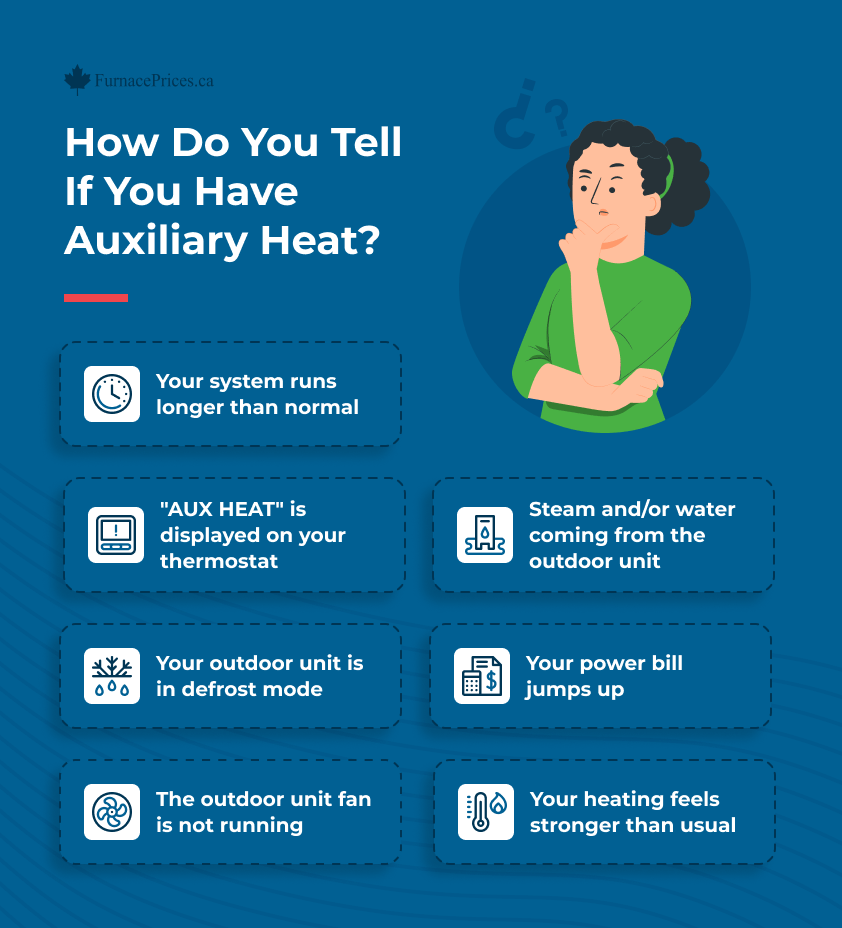
That's where auxiliary heat comes in. It's basically a backup heating system, usually electric resistance heat (think giant toaster coils), that kicks in to help your heat pump out when it's struggling. Think of it as the heat pump's overly enthusiastic, but slightly inefficient, best friend. It uses a LOT more electricity than your heat pump.
Reasons Your Auxiliary Heat Might Be On (and What to Do About It)
Okay, so why is this backup buddy suddenly front and center?
1. It's Actually Really Cold Outside: This is the most common, and honestly, most legitimate reason. When the outdoor temperature dips below a certain point (usually around 30-40°F, but check your system's specs), your heat pump might not be able to keep up. Auxiliary heat will kick in to provide supplemental warmth and maintain your thermostat setting.
What to do? If it's truly frigid, there's not much you *can* do. It's doing its job! Maybe invest in some fuzzy socks and embrace the cozy chaos.
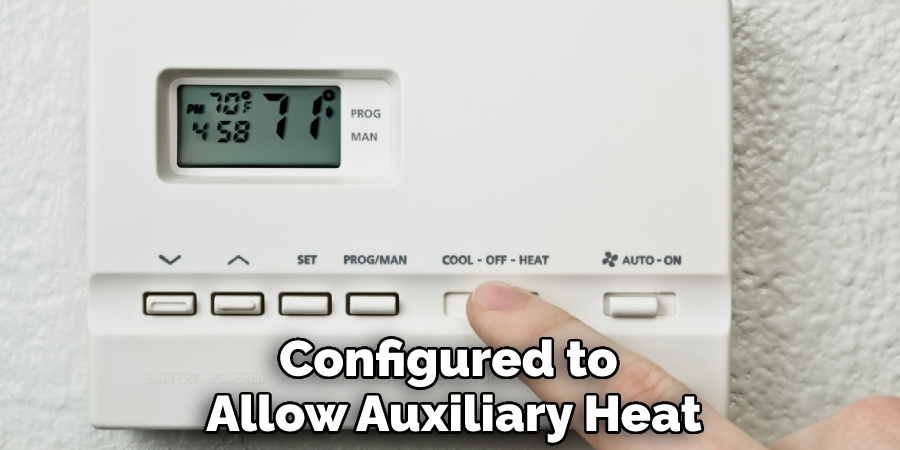
2. Your Thermostat Demands It: Modern thermostats can be a bit…demanding. If you suddenly crank up the thermostat by, say, 5 degrees or more, your thermostat might think, "OMG, EMERGENCY! BRING IN THE BIG GUNS!" and activate the auxiliary heat to get the temperature up to your desired level faster. This is especially common with programmable thermostats.
What to do? Try to avoid making huge temperature jumps. Slowly increase the temperature over time. And read your thermostat's manual! (I know, I know, but it might actually be helpful.) Sometimes, there are settings that can be adjusted to minimize auxiliary heat usage.
3. Defrost Cycle: Heat pumps can sometimes ice up, especially in humid climates. To combat this, they go through a defrost cycle, which temporarily reverses the heating process. During this time, auxiliary heat often kicks in to prevent you from feeling a blast of cold air. You might see a "Defrost" indicator on your thermostat.
What to do? This is usually normal. Just let it run its course. If you notice your system is defrosting *constantly*, there might be an issue, and you should call a professional. Check for ice buildup on the unit as well. If there is a lot of ice, you can try to carefully remove it, just be careful not to damage any fins or wiring.
4. System Problems: Uh oh. This is where things get less fun. A malfunctioning heat pump, a dirty air filter restricting airflow, leaky ductwork, or a faulty thermostat can all cause the auxiliary heat to run more than it should. Basically, if your heat pump isn't working efficiently, it might be relying on the auxiliary heat for support it doesn't actually need.
What to do? First, check your air filter. A dirty filter can wreak havoc on your system. If that's not it, it's time to call a qualified HVAC technician. They can diagnose the problem and recommend the best course of action. Don't try to DIY HVAC repair unless you really know what you're doing. Electricity is no joke!
The Bottom Line
Auxiliary heat is a necessary component of a heat pump system, but it shouldn't be running constantly unless it's *really* cold outside. If you suspect your auxiliary heat is kicking on too often, take some time to troubleshoot. A little investigation can save you money on your energy bill and prevent those future "burning toast" freak-outs. And if all else fails, call a pro! After all, you don’t want your home turning into a real-life toaster oven.