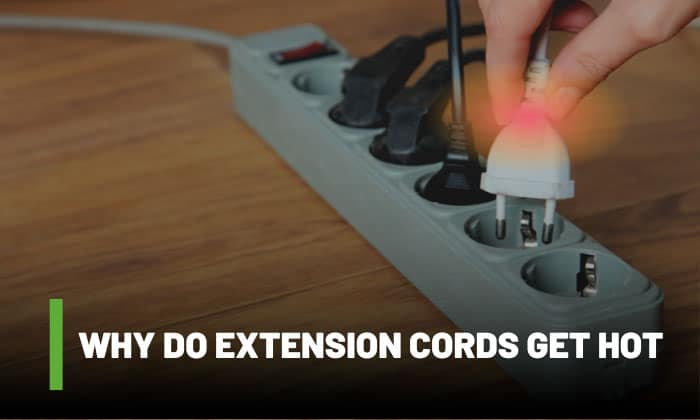
Ever felt that a slightly unsettling warmth radiating from your extension cord? You're not alone! It's a common occurrence that often leaves people wondering, "Is this thing about to burst into flames?" While that's unlikely in most cases, understanding why your extension cord gets hot is actually pretty fascinating and, more importantly, helps you stay safe. Think of it as becoming a mini-expert on electrical circuits – impressive, right?
So, what exactly is an extension cord? It's essentially a convenient way to bring power from an outlet to a device that's too far away to reach. They're incredibly useful for everything from plugging in holiday lights to powering tools in the garage. The benefit is obvious: they give us flexibility and freedom in where we use our electrical gadgets. But with great power comes great responsibility, and understanding how these cords work is key to using them safely.
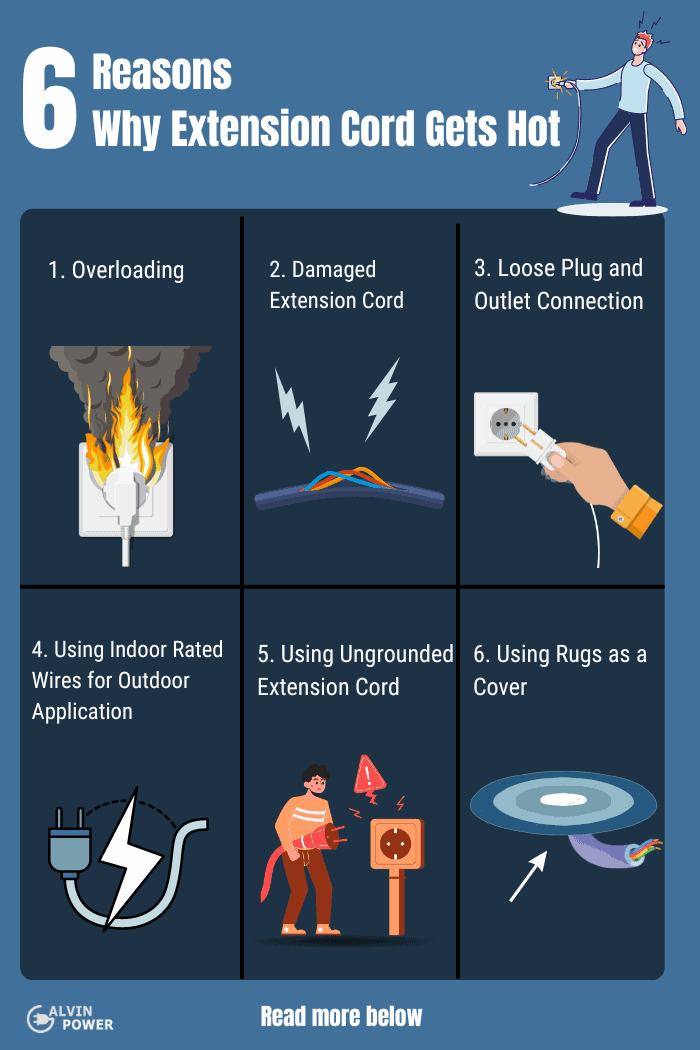
Now, onto the heat! The primary reason an extension cord gets hot is due to something called electrical resistance. Imagine electricity flowing through the cord like water flowing through a pipe. If the pipe is narrow or has some obstructions, the water has to work harder to get through, creating friction. This friction generates heat. The same principle applies to electricity. The wires inside the extension cord have a certain amount of resistance to the flow of electrical current. The more current flowing through the cord, the more resistance it encounters, and the more heat it produces.
Think about it like this: a thin extension cord is like a skinny straw. Trying to slurp a thick milkshake through it requires a lot of effort and friction. A thicker cord, on the other hand, is like a wider straw, allowing the milkshake to flow more easily. Therefore, using a thin or under-rated extension cord for a power-hungry appliance like a space heater or power tool is a recipe for heat. The cord is struggling to deliver the necessary current, leading to excessive resistance and, consequently, excessive heat.
Another contributing factor is a coiled cord. When an extension cord is coiled up, the heat generated can't dissipate effectively. It's like wrapping a blanket around a hot water bottle – the heat gets trapped. This can lead to a build-up of heat that could damage the cord or even create a fire hazard. Always unwind your extension cord fully before using it, especially when powering devices that draw a lot of power.
Finally, damaged cords are a serious concern. If the insulation is cracked or the wires are frayed, the cord is no longer safely containing the electricity. This can lead to short circuits, sparks, and, yes, even fires. Regularly inspect your extension cords for any signs of damage, and replace them immediately if you find any. It's a small price to pay for safety.
In conclusion, a warm extension cord isn't always cause for immediate panic, but it's a sign that something might not be quite right. By understanding the principles of electrical resistance, the importance of using the right cord for the job, and the dangers of coiled or damaged cords, you can use extension cords safely and effectively, avoiding the unnecessary heat and potential hazards.