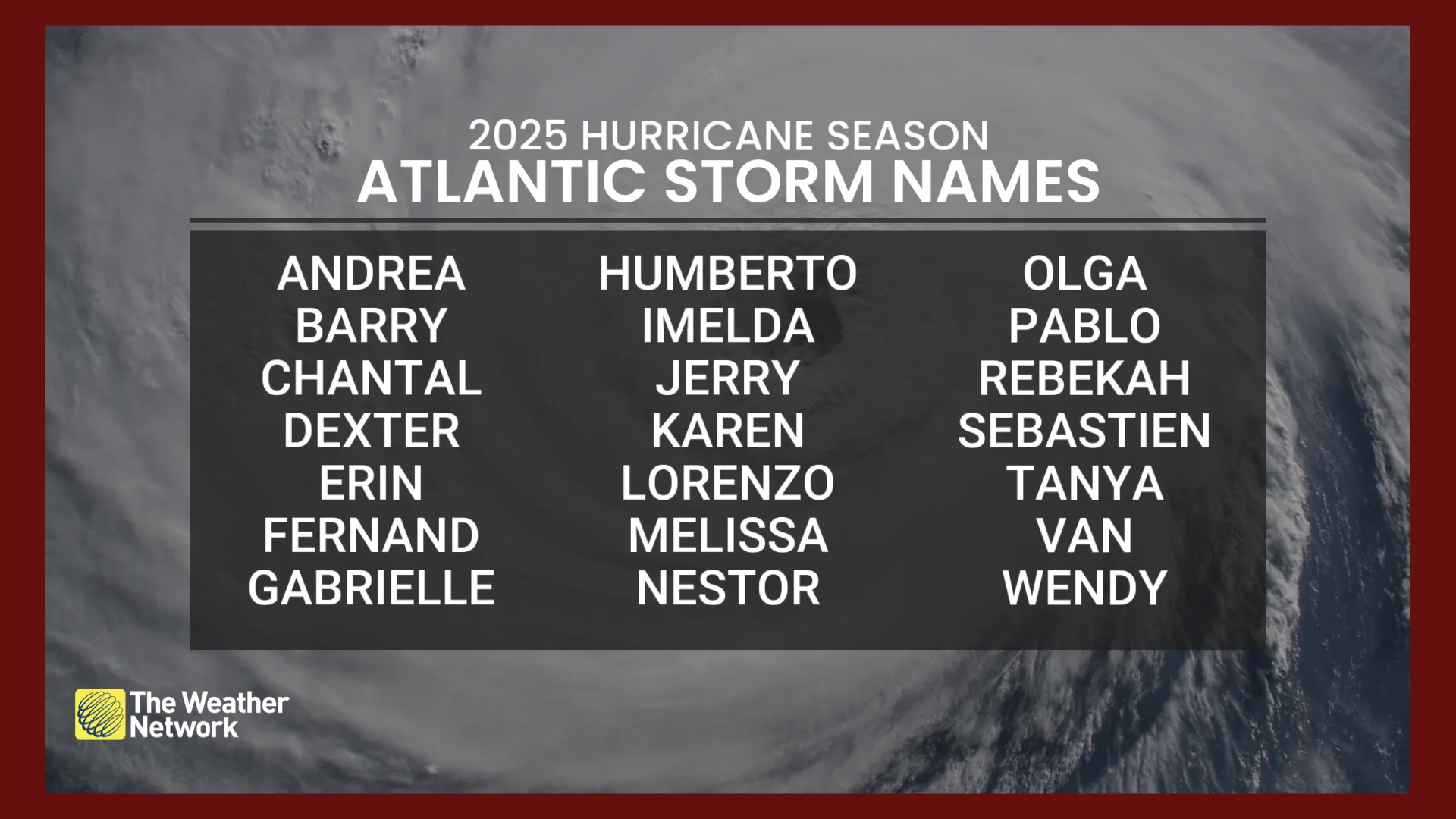
Let's face it, there's something strangely captivating about hurricanes. Maybe it's the raw power of nature on display, or perhaps it's the shared experience of tracking a storm as it churns across the ocean. Whatever the reason, we're all familiar with the names – names like Ian, Maria, and Florence. But have you ever stopped to wonder, who actually gets to pick those names? It's not some random lottery, that's for sure!
The process of naming hurricanes serves a very practical purpose. Imagine trying to coordinate emergency response efforts and communicate warnings when you're dealing with multiple storms at the same time. Using names, rather than confusing numerical codes or geographic references, makes it much easier for meteorologists, emergency responders, and the public to clearly and quickly identify and discuss individual storms. This clarity is absolutely vital for saving lives and minimizing damage.
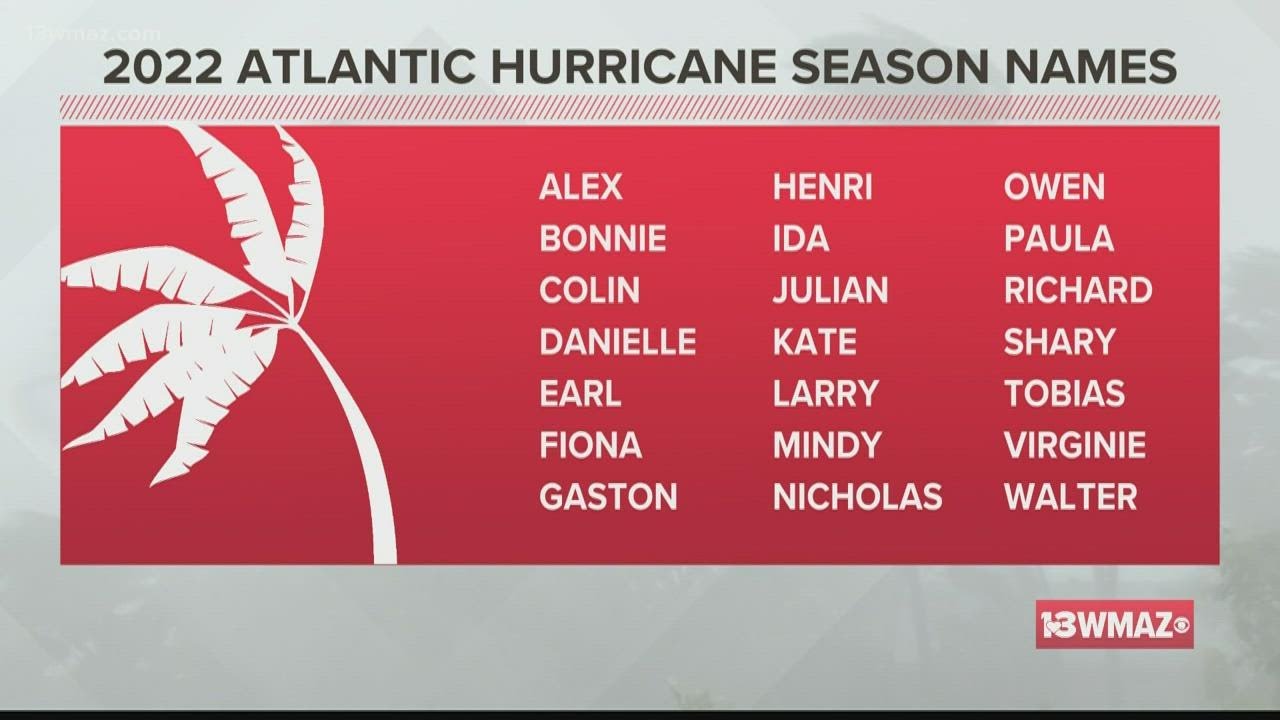
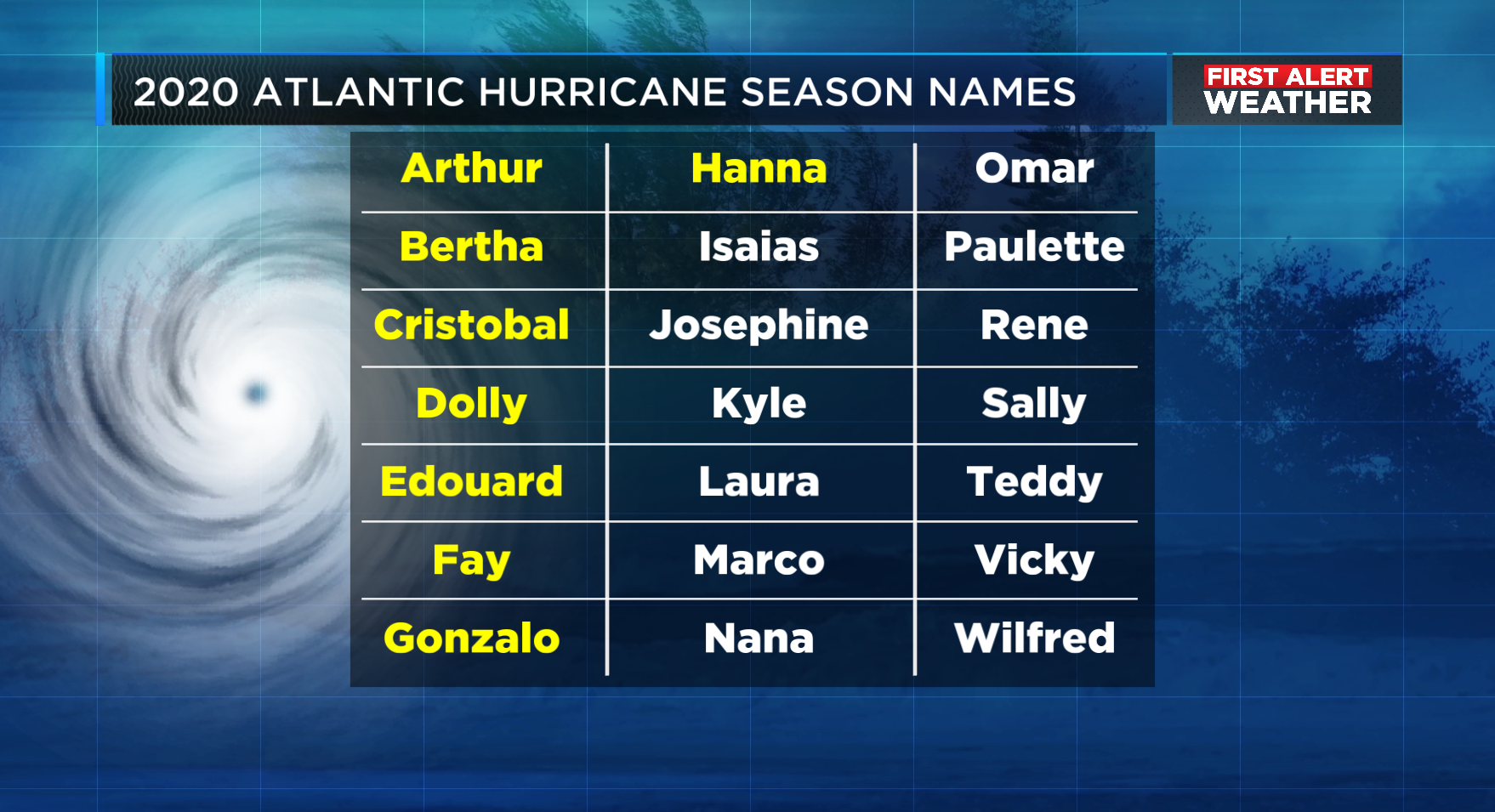
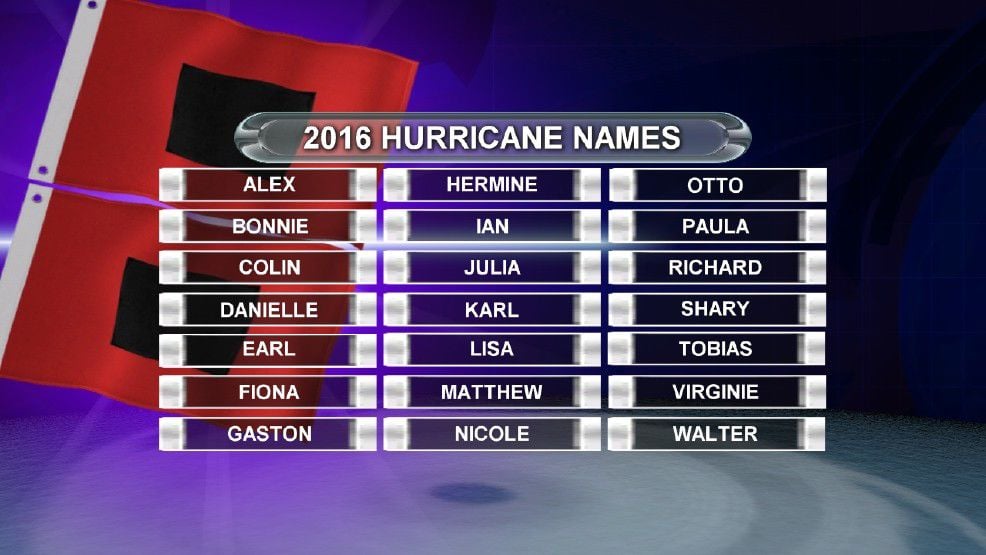
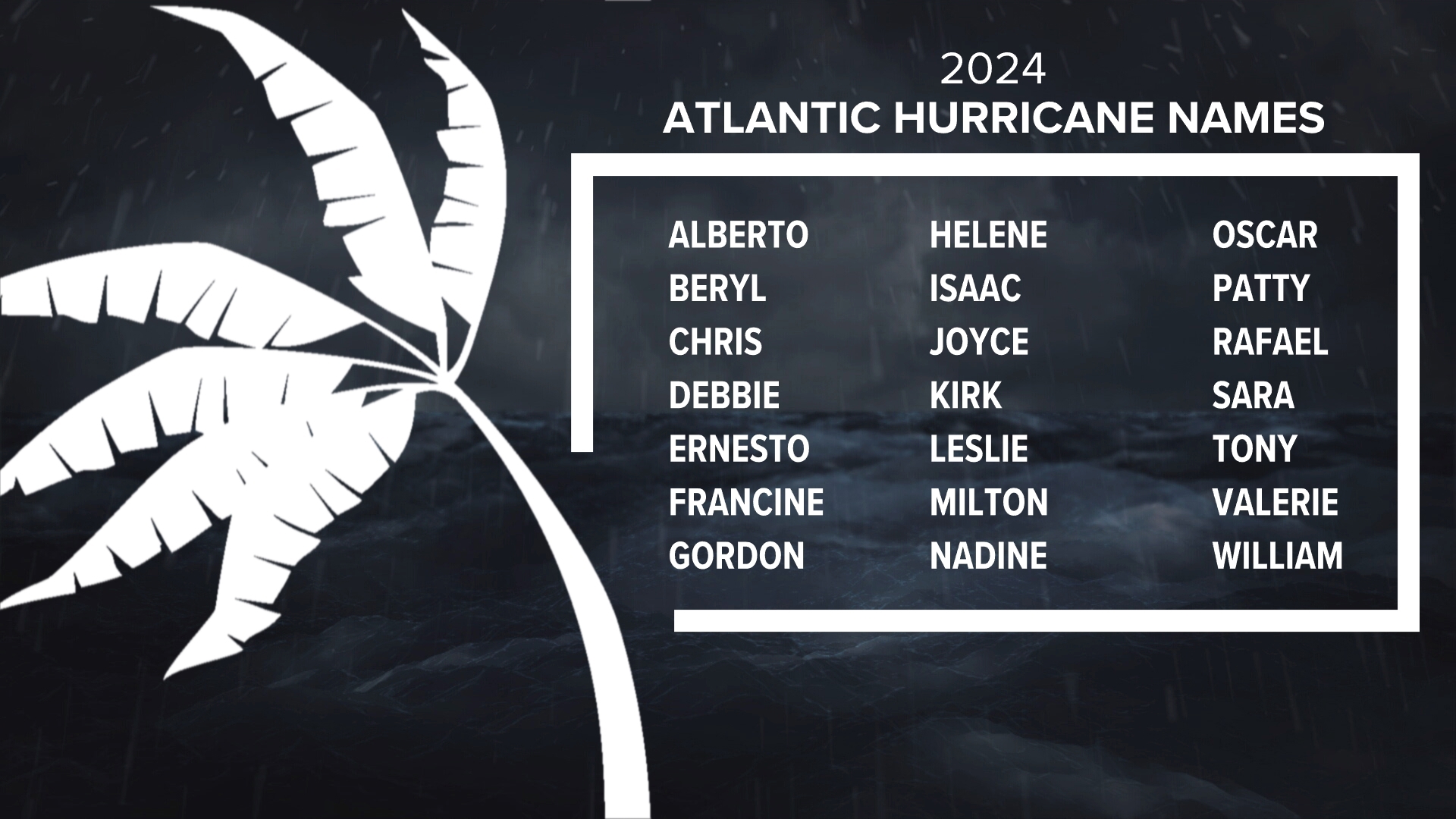
So, who's in charge of this crucial task? The World Meteorological Organization (WMO), specifically, a committee made up of representatives from various countries affected by tropical cyclones. The WMO maintains six lists of names, which are used in rotation. That means the list used this year will be used again in six years, unless a storm is so devastating that its name is retired. Retired names are permanently removed from the list out of respect for the lives lost and the destruction caused.
You've probably noticed that the names alternate between male and female. This practice wasn't always in place. Before 1953, hurricanes were often named after women, which wasn't exactly a flattering association! The practice of alternating genders started in 1979. The lists also avoid using names that are culturally insensitive or difficult to pronounce in multiple languages. It's a global effort, designed to ensure the naming system is fair and effective for everyone.
While you may not be able to directly influence the official list of hurricane names (unless you become a representative on the WMO committee!), you can still engage with the process in a more informed way. Here are a few tips to enjoy hurricane season more effectively, by understanding the naming conventions:
- Stay informed. Follow reputable sources like the National Hurricane Center (NHC) for the latest updates and forecasts.
- Understand the naming system. Familiarize yourself with the current list of names for the Atlantic, Eastern North Pacific, and Central North Pacific basins.
- Discuss the storms responsibly. When talking about hurricanes, use the assigned names and refer to official sources for accurate information. Avoid spreading misinformation or sensationalizing the risks.
- Learn about hurricane preparedness. Knowing what to do before, during, and after a hurricane is the most effective way to protect yourself and your loved ones.
Ultimately, the naming of hurricanes is about more than just labeling a weather event. It's about communication, preparedness, and ultimately, saving lives. So next time you hear a hurricane name on the news, remember the important role it plays and the global effort that goes into ensuring it's effective.