So, who invented the 3D printer? It's a question that can lead to some surprisingly heated debates. Let's dive in, shall we?
The Usual Suspects
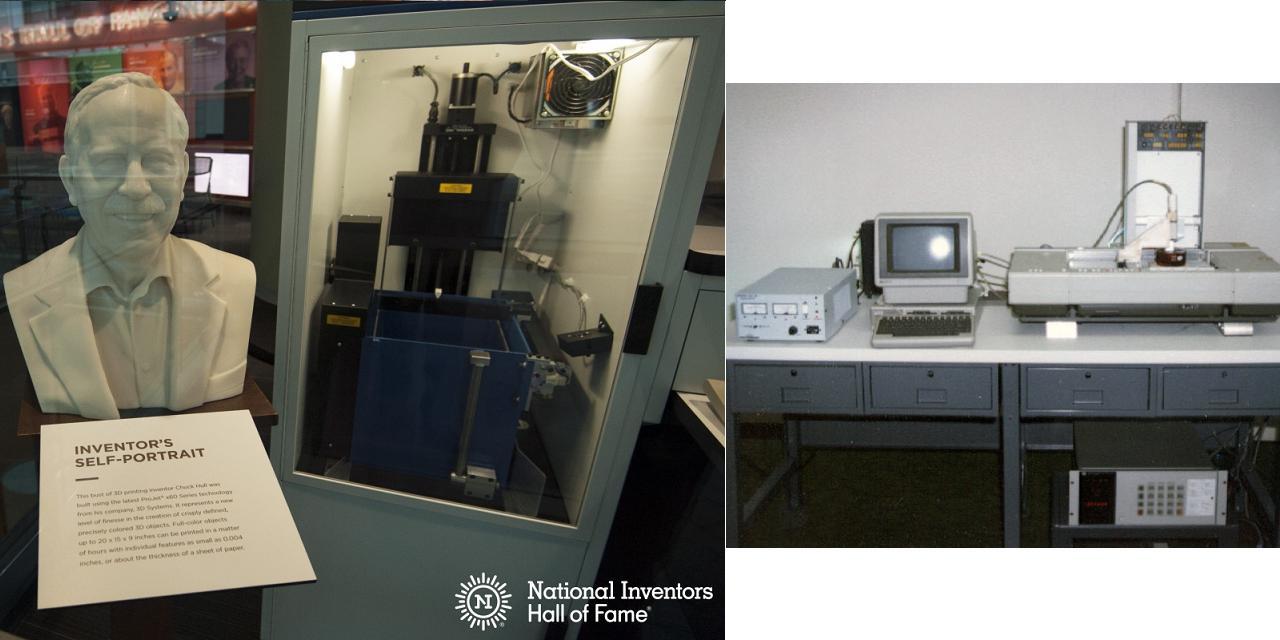
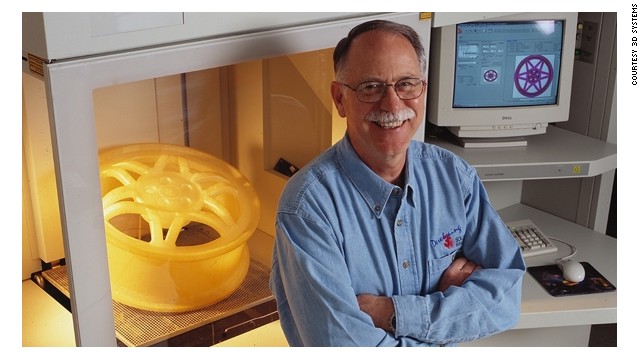
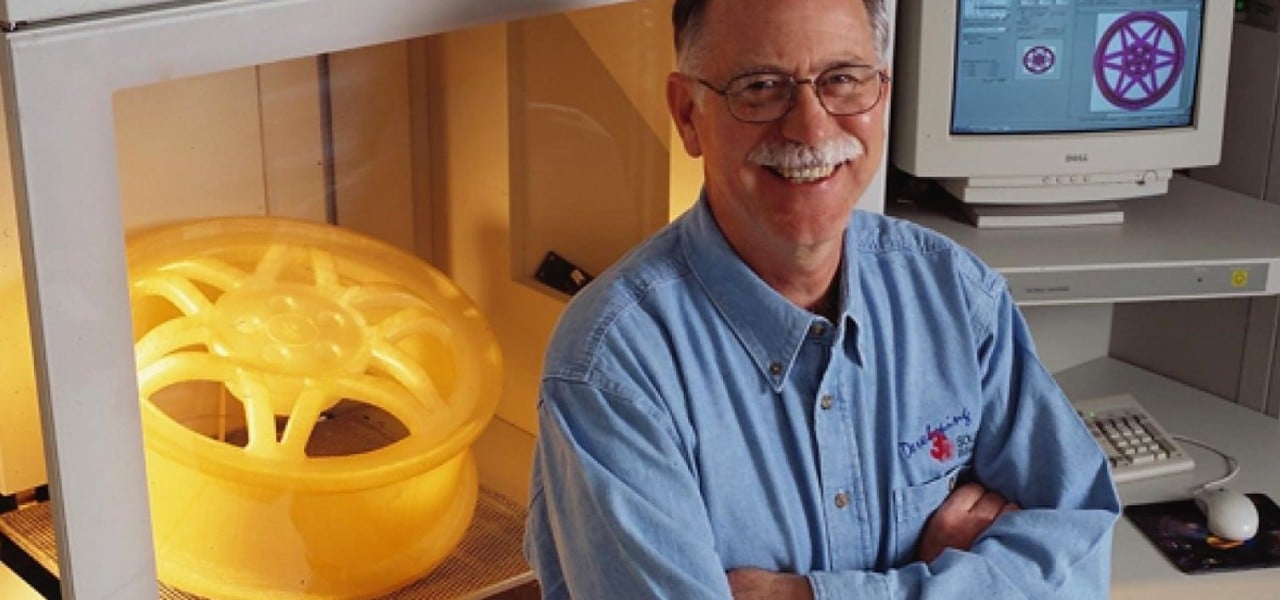
Most people point to Chuck Hull. He patented stereolithography in 1986. Pretty impressive, right?
His company, 3D Systems, brought the first commercial 3D printer to market. That's a big deal. But is he *the* inventor?
A Challenger Appears!
Then there's Hideo Kodama. This Japanese researcher filed patents for a similar technology in 1980 and 1981. Sadly, he didn't quite get the funding to follow through.
Talk about bad timing! Imagine if he had. History could be very different. It's always about the money, isn't it?
And Another One!
And let's not forget Alain Le Méhauté, Olivier de Witte, and Jean-Claude André. These French guys also filed a patent for stereolithography in 1984.
However, their company, CILAS, lost interest. Apparently, they thought it lacked business potential. Oops!
My Unpopular Opinion
Okay, here it comes. Brace yourselves. I don't think any of them *really* invented the 3D printer.
I know, I know. Sacrilege! But hear me out. Are we crediting the first person to put pen to paper with inventing the novel? Or the person who built the first horseless carriage with inventing the car?
These individuals built upon existing ideas. They refined and improved existing concepts. It's evolution, not divine creation!
The True Inventors?
I believe the "true" inventors are the *collective*. The countless engineers, scientists, and tinkerers. They contributed small, incremental improvements over decades.
It's a slow, steady march of progress. Each person adding their little brick to the wall. A collaborative effort across time and continents.
Think about it. Hull's stereolithography was groundbreaking. But it wasn't perfect. Far from it, in fact.
The Invisible Contributors
Who improved the resins? Who developed better software? Who figured out how to make it more reliable and affordable? These are the unsung heroes!
They're the ones who truly brought 3D printing to where it is today. And they're often overlooked in the "who invented it" discussion.
We celebrate the names on the patents, of course. But let's not forget the army of anonymous contributors. These are the true 3D printing pioneers.
The Power of Incrementalism
Take fused deposition modeling (FDM), for example. This is the technology behind many affordable desktop 3D printers.
Scott Crump patented it in 1989. He founded Stratasys. But even FDM relies on existing knowledge and materials science.
He didn't invent plastic! He just figured out a clever way to melt and deposit it. It's an ingenious application of existing materials.
The Importance of Open Source
And what about the RepRap project? This open-source initiative aimed to create a self-replicating 3D printer.
Adrian Bowyer started it in 2005. It democratized 3D printing. It enabled anyone to build their own machine. A true game-changer!
The RepRap project fostered a massive community of developers. They shared designs and improvements freely. This accelerated innovation at an unprecedented pace.
Beyond the Hardware
It's not just about the machines themselves. It's about the software that controls them.
Think about the slicing software. It translates 3D models into instructions for the printer. It's a critical piece of the puzzle.
Who invented slicing software? Many people contributed. It's an ongoing process of refinement and optimization.
The Materials Revolution
And what about the materials? We've gone far beyond basic plastics.
Now we can print with metals, ceramics, and even living cells. This opens up incredible possibilities. New materials = new applications.
The materials scientists who develop these innovative materials are also 3D printing pioneers. Their work is crucial for pushing the boundaries of what's possible.
So, Who *Really* Invented It?
My answer remains the same: *no one person*. It's a collective achievement. A symphony of innovation played out over decades.
We should celebrate the key figures. Acknowledge their contributions. But never forget the countless others who made it all possible.
The 3D printer is a testament to human ingenuity. It's a reminder that progress is rarely a solo act. It's a collective performance, staged over years with a huge cast.
Let's Rethink the Question
Perhaps the question isn't "who invented the 3D printer?" Maybe it should be "how did the 3D printer evolve?".
Focusing on the evolution allows us to appreciate the contributions of everyone involved. It's a more accurate and inclusive way of understanding the history of 3D printing.
Let's raise a glass (or a 3D-printed figurine) to all the 3D printing pioneers! The famous and the anonymous. They all deserve our thanks.
The Future is Now (and Printed)
3D printing is transforming industries. From medicine to manufacturing. It's changing the way we design and create.
It's empowering individuals and small businesses. It's allowing us to customize products and solve problems in new and innovative ways.
The future of 3D printing is bright. Thanks to the collective efforts of countless individuals who dared to imagine a world where we can create almost anything we can dream of.
A Final Thought
So, next time someone asks you who invented the 3D printer, you can confidently say: "It's complicated!".
Then, you can launch into a fascinating discussion about the evolution of this amazing technology. And maybe even share my unpopular opinion!
After all, a little controversy never hurt anyone. Especially when it comes to celebrating the power of collective innovation!