Ever wondered who decides that a swirling vortex of doom gets called "Idalia" or "Franklin"? It's not some dude in a basement randomly picking names from a phone book (though, let's be honest, that would be pretty entertaining). The process is surprisingly organized, international, and steeped in a bit of history.
The World Meteorological Organization: Your Friendly Neighborhood Name-Givers
The folks responsible are the aptly named World Meteorological Organization (WMO). They're an international organization with a committee specifically dedicated to hurricanes, or tropical cyclones as they're more formally known. Think of them as the United Nations of weather, minus the political squabbles (hopefully!).
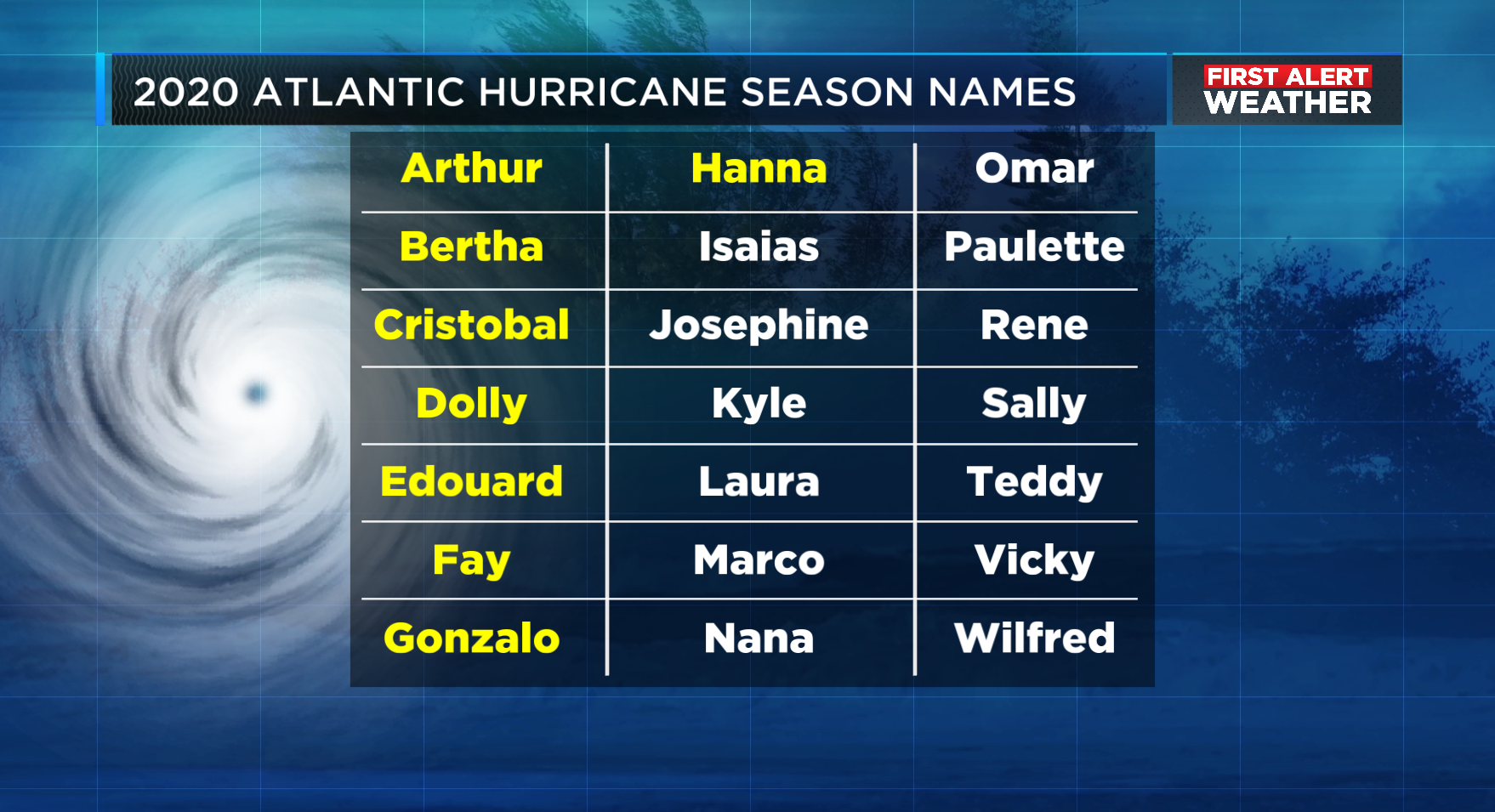
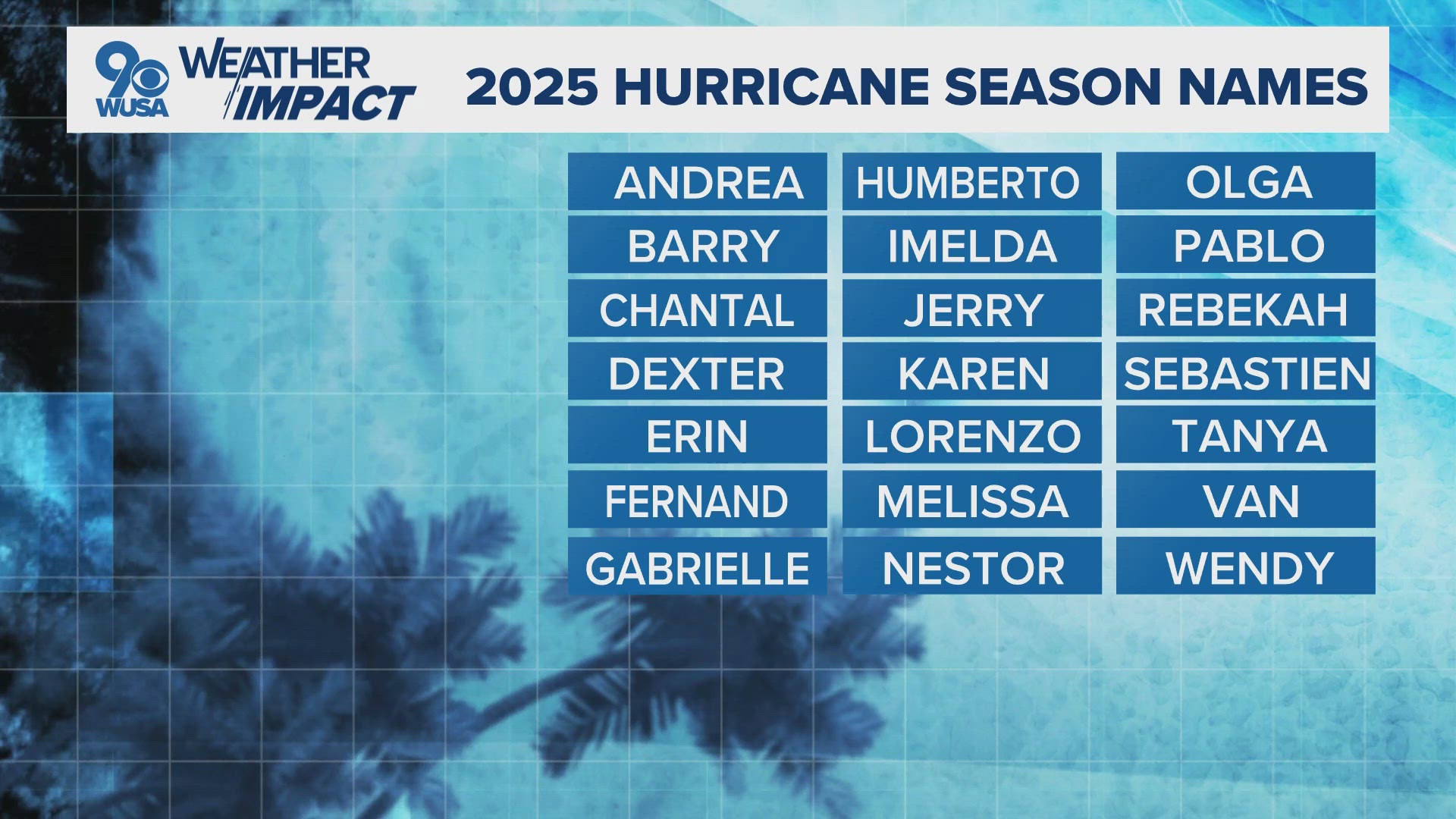
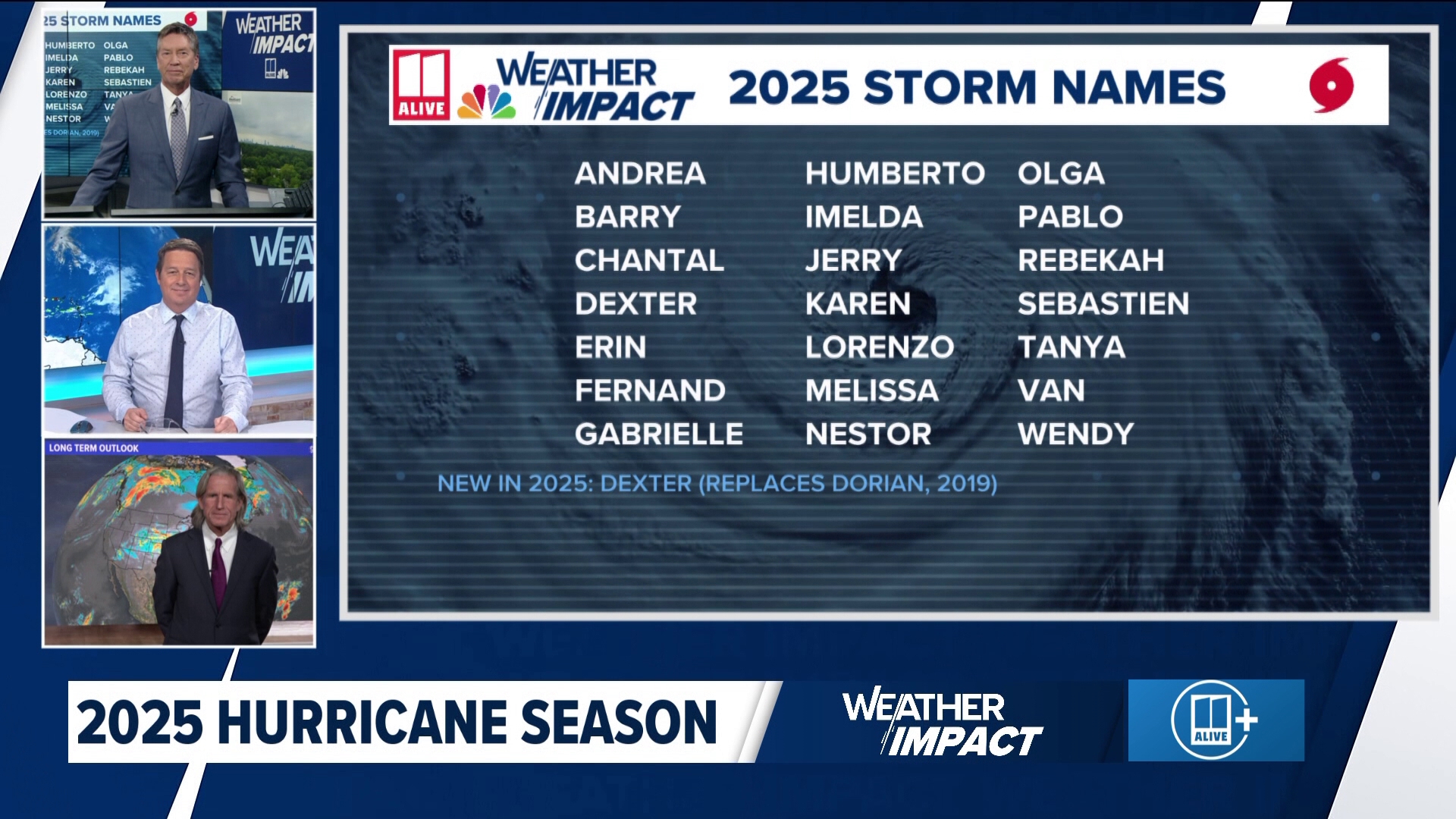
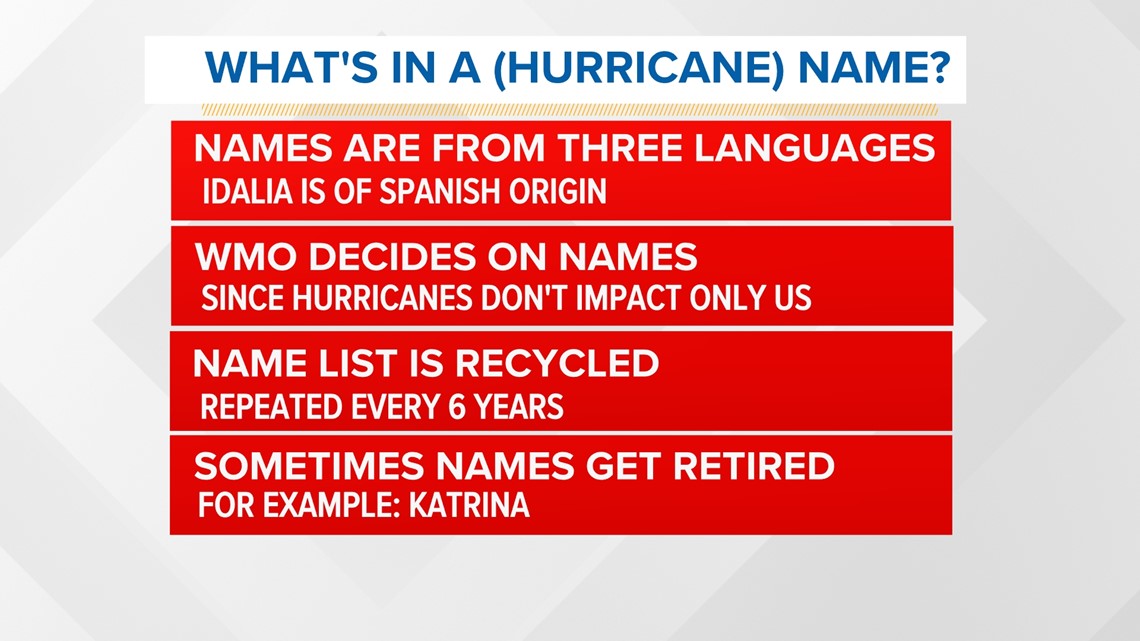
The WMO maintains six lists of names that rotate every six years. That means the names used in 2023 will be back in circulation in 2029. Pretty efficient, right?
Fun Fact: The lists originally only included female names. In 1979, male names were added to the mix, reflecting a more equitable (and less sexist) approach to storm naming.
From A to W (Almost): The Naming Conventions
Each list contains 21 names, one for each letter of the alphabet (excluding Q, U, X, Y, and Z, because apparently, finding suitable names starting with those letters is a meteorological challenge). The names are arranged alphabetically within each list, so the first storm of the year gets the "A" name, the second gets the "B" name, and so on.
Practical Tip: Knowing the alphabetical order can give you a rough idea of where we are in the hurricane season. If you hear about a storm named "Delta" in September, you know it's been a pretty active season.
So, where do the names themselves come from? The WMO aims for names that are easily recognizable and culturally appropriate for the region where the storms are likely to form. This means the lists for the Atlantic, Eastern North Pacific, Central North Pacific, and Western North Pacific regions are all different, reflecting the diverse populations and languages in those areas.
Retiring a Name: The Ultimate Insult
Sometimes, a hurricane is so devastating that its name is permanently removed from the list. This is called "retiring" a name and is done to avoid causing further distress if that name were to be used again in the future. Think Katrina, Harvey, Maria – names forever etched in our collective memory. When a name is retired, the WMO selects a new name to replace it, ensuring the lists remain complete.
Cultural Reference: This is kind of like when a sports team retires a player's jersey number. It’s a sign of respect for the impact they made, but in this case, it’s a respect for the devastation wrought.
What Happens When We Run Out of Names? The Greek Alphabet to the Rescue!
Occasionally, the Atlantic hurricane season is so active that we plow through all 21 names on the list. When that happens, the WMO turns to the Greek alphabet. Remember learning about alpha, beta, gamma in high school? Well, they get a chance to shine again!
Fun Fact: The 2020 Atlantic hurricane season was so intense that we made it all the way to Iota. Let's hope we don't have to dust off our ancient Greek anytime soon.
In 2021, the WMO decided to discontinue the use of the Greek alphabet for storm naming, citing confusion and negative associations. A supplemental list of names (similar to the regular lists) is now used when the original list is exhausted.
Beyond the Name: Staying Informed and Prepared
While knowing how hurricanes get their names is a fun bit of trivia, the real importance lies in staying informed and prepared when a storm is approaching. Heed warnings from your local authorities, follow the National Hurricane Center's updates, and have a plan in place to protect yourself and your loved ones.
Practical Tip: Develop a family emergency plan that includes evacuation routes, communication strategies, and a supply kit stocked with essentials like water, food, and medication.
So, the next time you hear a hurricane's name on the news, remember the WMO and the careful process behind it. It's a reminder that even in the face of nature's fury, there's a system, a global effort to keep us informed and safe.
Reflection: In a world that often feels chaotic and unpredictable, the structured naming of hurricanes offers a small sense of order. It reminds us that even in the midst of storms, literal and metaphorical, there are people working behind the scenes to bring clarity and understanding. And perhaps, that's a comfort we can carry with us in our daily lives – the knowledge that even when things feel overwhelming, there is often a system, a plan, and helping hands available.