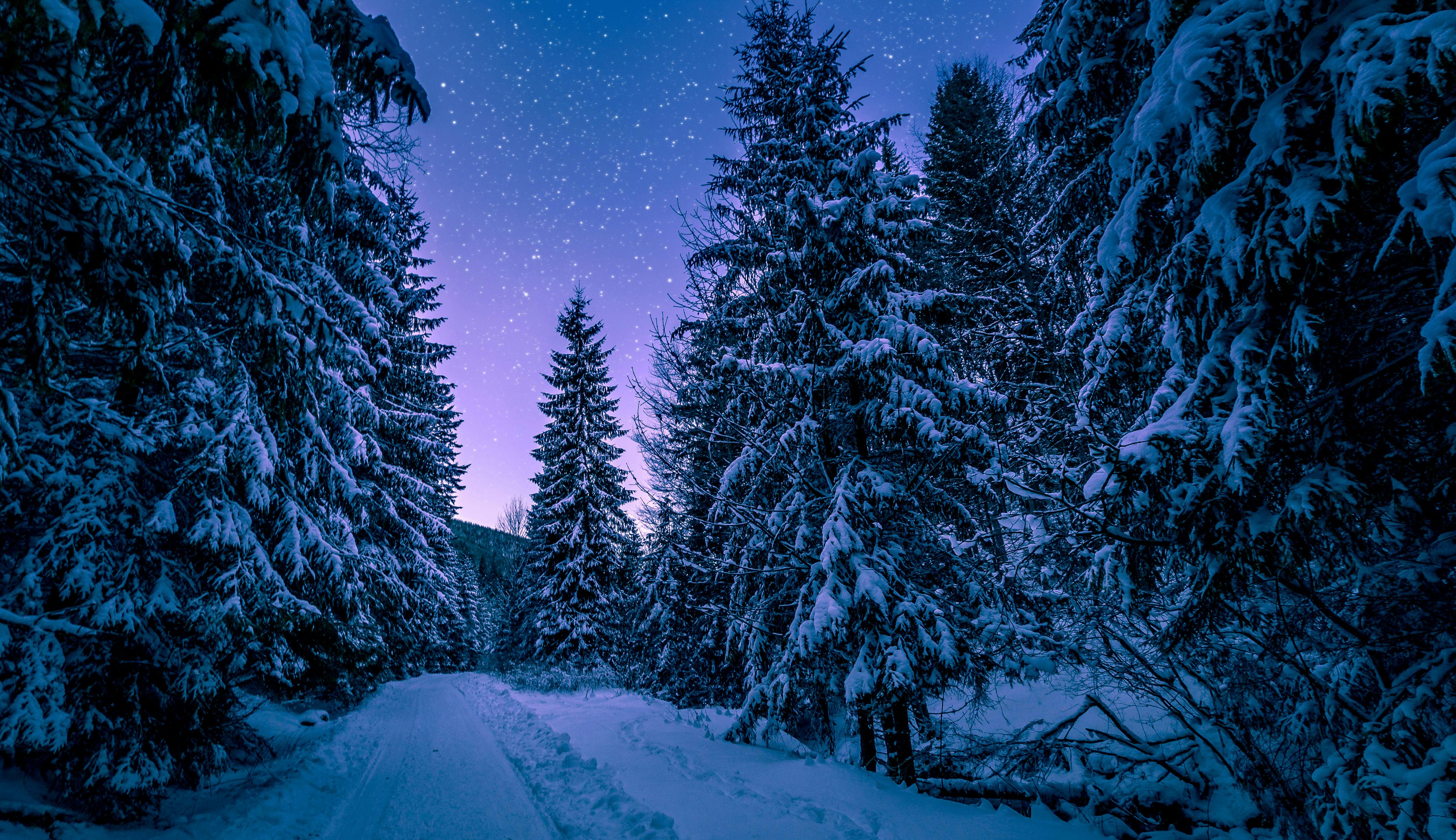
Hey there, snow enthusiasts! Ever wondered when you *don't* need to reach for that bag of ice melt?
The Curious Case of the Disappearing Ice Melt
Sometimes, Mother Nature throws us a curveball. And by curveball, I mean winter weather that's surprisingly… ice-melt-optional! Isn't that exciting?
Dry Snow: The Powder Paradise
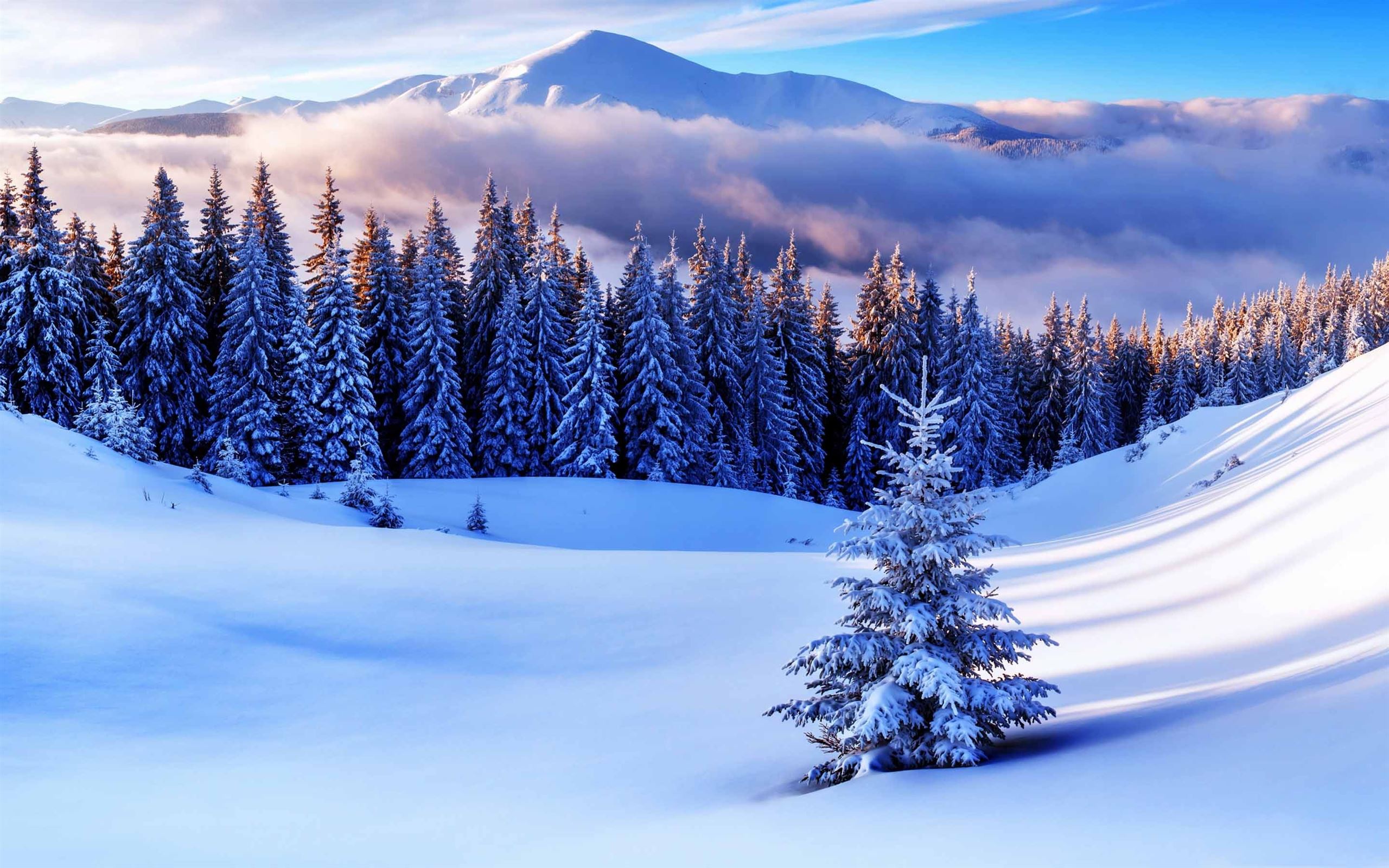
Let's talk about the fluffy stuff! You know, the kind of snow that skiers dream of? We're talking about that super cold, dry snow. Think tiny, individual snowflakes that don’t stick together much.
This "dry snow" has a lower water content. Because of that, it's less likely to melt and refreeze into dangerous ice! It's basically a powder paradise for those of us who hate shoveling *and* ice.
If you get a light dusting of dry snow? You might be able to skip the ice melt altogether! Just brush it off or let it blow away.
Sunshine to the Rescue!
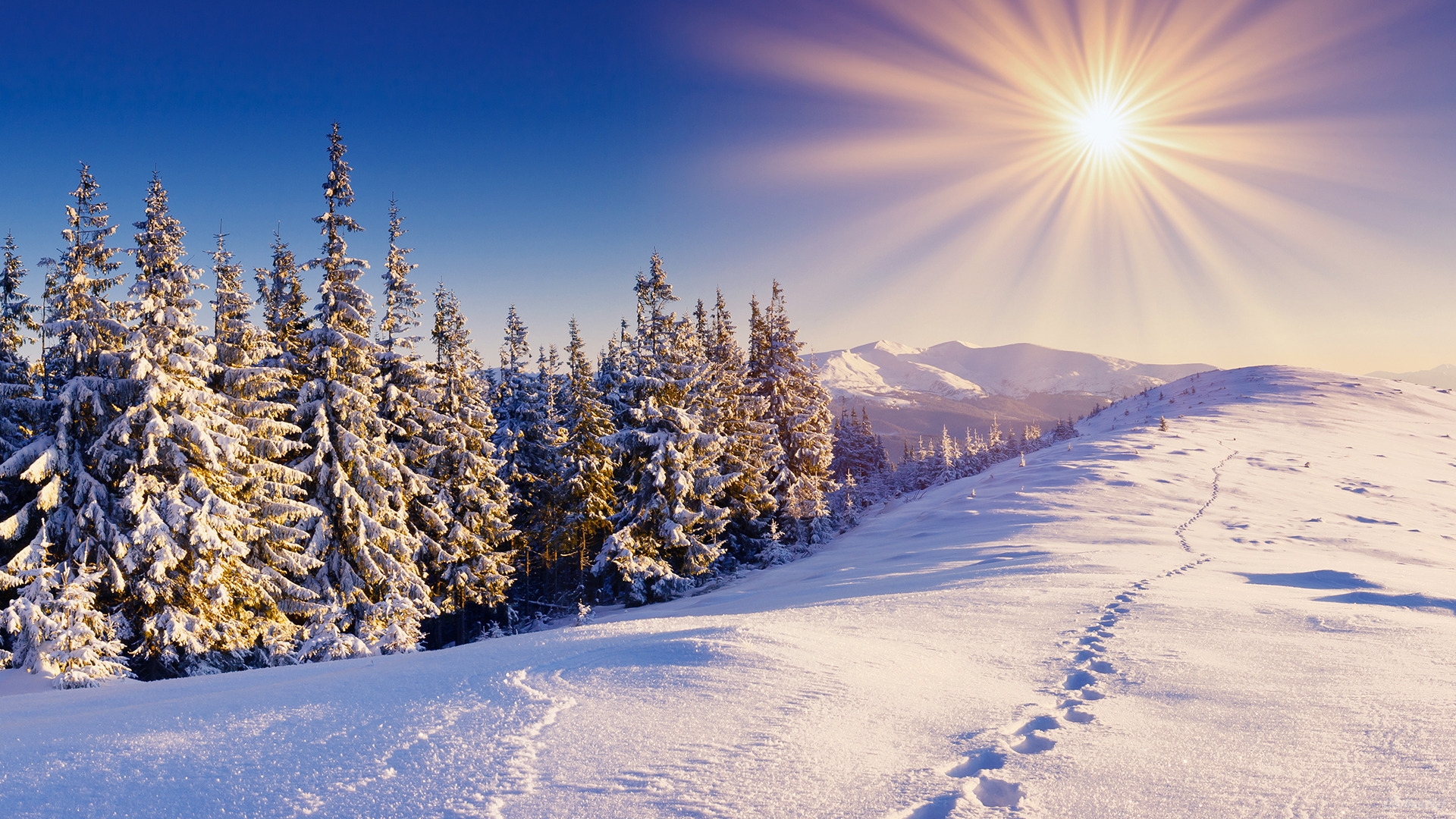
Ever noticed how the sun seems to have a vendetta against ice? It's true! On a sunny winter day, even if the temperature is below freezing, the sun's rays can work wonders.
That radiant energy can melt thin layers of snow and ice pretty quickly. This is especially true on surfaces that absorb heat well, like dark-colored asphalt. Who needs ice melt when you have the sun as your friend?
Keep an eye on sunny spots! You might be surprised at how much natural de-icing occurs. It's almost like free labor!
The "Too Cold for Ice" Phenomenon
Believe it or not, it can actually be too cold for ice to form easily. That's right! Extremely low temperatures can prevent snow from melting and refreezing.
Think of those days when the air hurts your face. The snow stays powdery and doesn't turn into a slick, icy mess. Ice melt may not be necessary in those conditions.
When temperatures are consistently far below freezing, the snow tends to stay in its original, less hazardous form. Time to break out the extra-warm socks and embrace the cold!
When the Snow is Predicted to Melt Quickly
Sometimes, a warm front is headed our way. This means the temperature is expected to rise above freezing shortly after a snowfall. A weather forecast can be a game changer!
If you know the melt is coming soon, you can often hold off on the ice melt. Patience can be a virtue, especially when it saves you money and effort!
Just keep an eye on the forecast. Make sure that warm-up actually materializes. Nobody wants a surprise ice rink in their driveway!
Gravel and Traction Alternatives
Let's not forget about those low-tech solutions that have been around for ages! Things like gravel, sand, and even wood ashes can provide traction on slippery surfaces. They are definitely alternatives!
They don't melt the ice, but they do give your shoes and tires something to grip. These are particularly useful in areas where you want to avoid using chemical de-icers. Think around pets and plants!
Plus, who doesn't love the satisfying crunch of gravel underfoot? It's like a little winter soundtrack.
A Word of Caution: When Ice Melt is a Must
Now, before you toss your ice melt into the back of the shed, let's be clear. There are definitely times when it's essential for safety! We should be mindful of those times.
When ice is already present, or when freezing rain is falling, ice melt is your best friend. It's also important to use it on high-traffic areas like sidewalks and steps.
Safety first! Always prioritize preventing falls and accidents. Err on the side of caution in areas where people walk or drive frequently.
Black Ice: The Sneaky Culprit
Black ice is that transparent, treacherous layer that's practically invisible. It forms when water melts and refreezes on roadways and sidewalks. It is very dangerous!
This stuff is incredibly dangerous because you can't see it. It's often the result of fluctuating temperatures or melting snow that refreezes overnight.
If you suspect black ice, don't hesitate to use ice melt! It's better to be safe than sorry when dealing with this sneaky hazard.
Heavy, Wet Snow: The Icy Incubator
That heavy, wet snow is a recipe for disaster. It packs down easily and melts slightly. It then quickly turns into a sheet of ice as temperatures drop.
This type of snow is particularly problematic because it weighs a lot. This makes shoveling difficult, and it refreezes into a thick, hard layer of ice. Ice melt is generally needed.
Don't let heavy, wet snow sit for too long! Tackle it early and use ice melt to prevent a major ice buildup. It's all about proactive maintenance!
Becoming a Winter Weather Detective
The key to knowing when to skip the ice melt is observation and understanding. It's about becoming a winter weather detective! Isn't that a fun way to look at it?
Pay attention to the type of snow, the temperature, and the forecast. Also, consider the amount of sunshine and the surfaces you're trying to keep clear.
With a little practice, you'll become a pro at predicting when ice melt is truly necessary. You'll be able to enjoy the beauty of winter without overusing those chemicals.
Consider Environmental Factors
While saving money is nice, there's also an environmental aspect to consider. Excessive use of ice melt can harm plants, pets, and even our waterways.
By using it judiciously, you're doing your part to protect the environment. Every little bit helps!
Think of it as being a responsible winter steward. You will be caring for your property *and* the planet.
Enjoying the Simpler Side of Winter
Skipping the ice melt when possible is about more than just saving a few bucks. It's about embracing the natural beauty and simplicity of winter. I think we all need that sometimes!
It's about appreciating the unique characteristics of different types of snowfall. You'll find yourself gaining a deeper understanding of the weather patterns around you.
So, next time it snows, take a moment to observe the conditions. You might be surprised at how often you can let Mother Nature do her thing. Get ready for some easy winter months!
Embrace the Challenge!
Learning when *not* to use ice melt is a fun challenge. It's about connecting with the rhythms of nature and becoming more self-sufficient during the winter months.
It's a small step, but it can make a big difference in your wallet and your peace of mind. So get out there and start experimenting!
Who knows, you might even discover a newfound appreciation for the magic of winter. Let the snow games begin!
A Final Thought: Common Sense Prevails
Ultimately, deciding whether or not to use ice melt is a judgment call. One final reminder is to always put safety first, and use your best judgment!
When in doubt, it's always better to err on the side of caution. A little extra effort now can prevent accidents and injuries later.
Enjoy the winter season, stay safe, and remember that sometimes, less is more! Happy snow days!