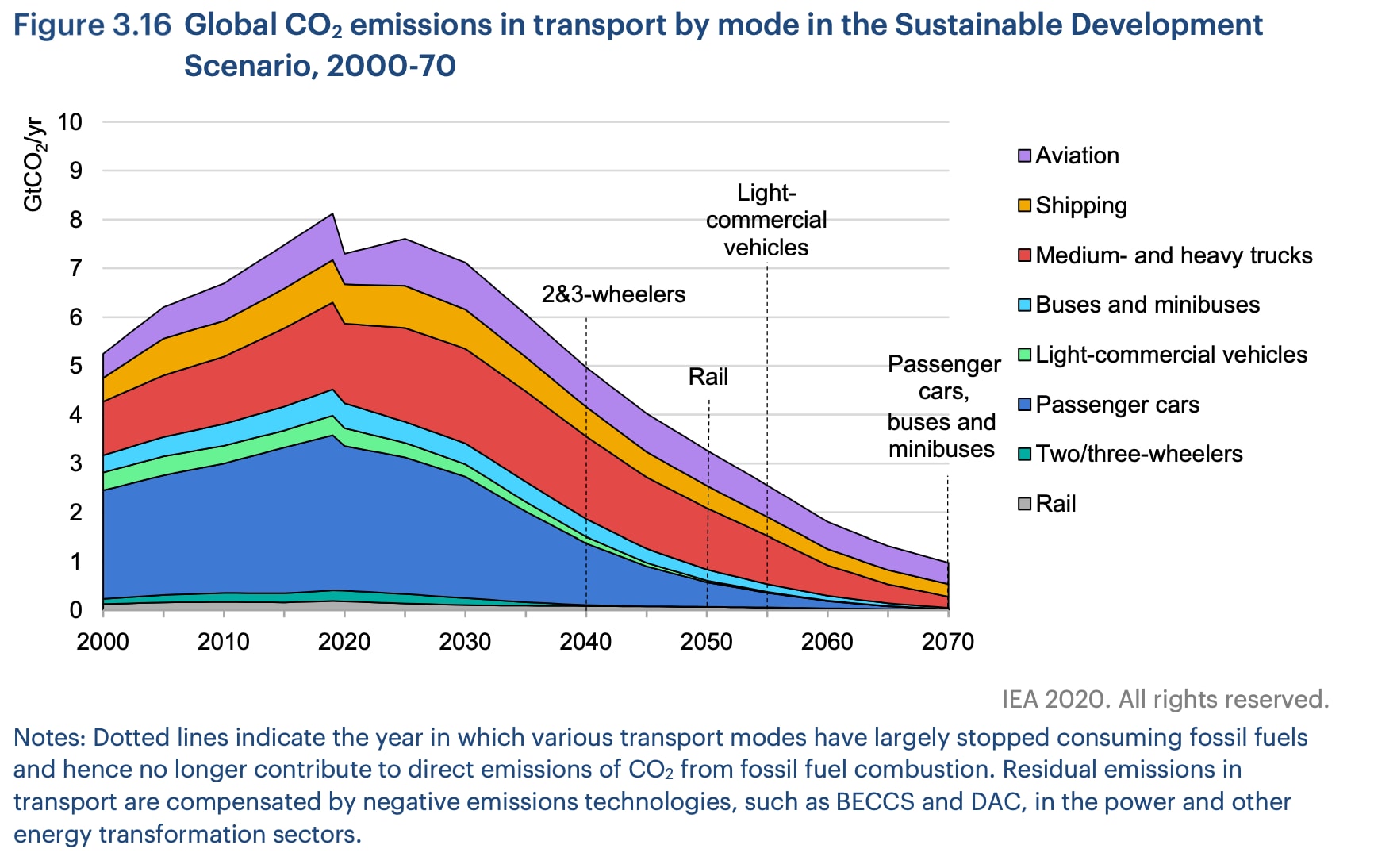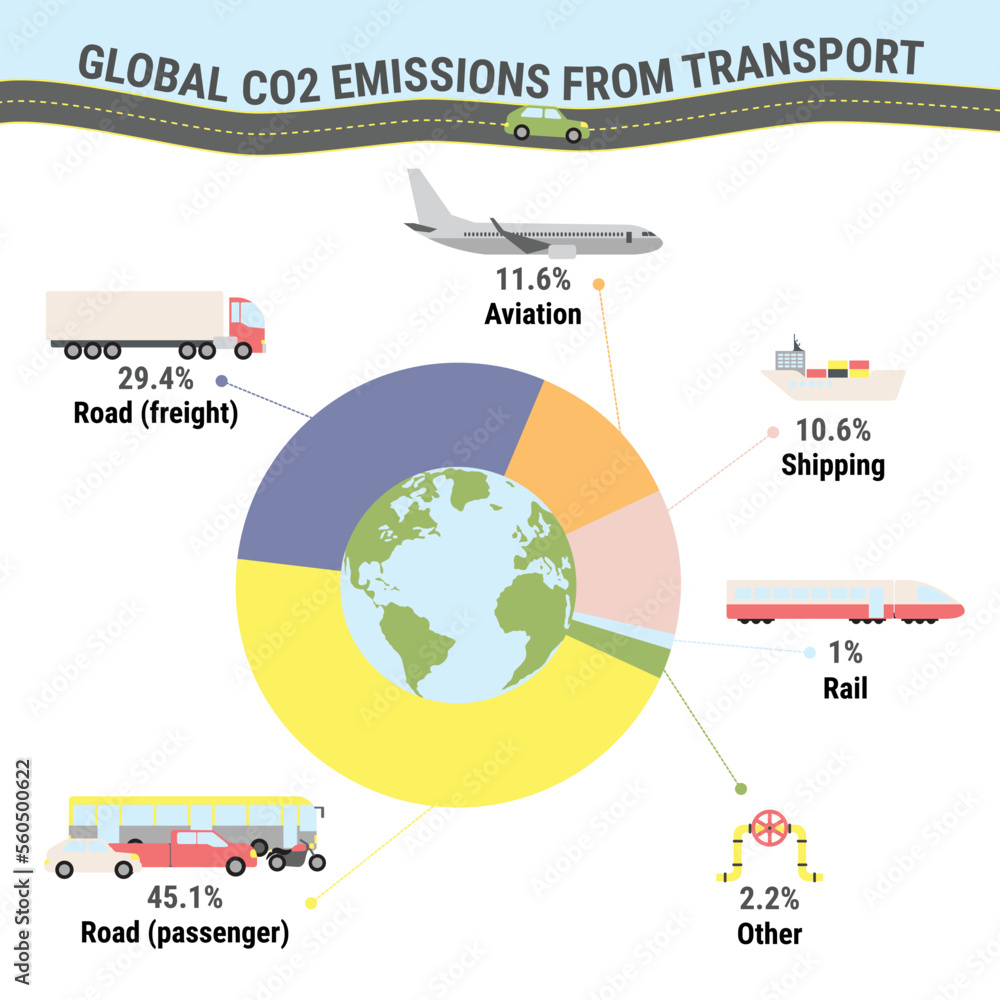
Hey there, eco-warriors and everyday drivers! Ever wondered if the way we drive *actually* impacts the environment? I mean, besides just knowing cars emit fumes (duh!), does the *kind* of traffic make a difference? Well buckle up, because we're about to dive into the surprisingly fascinating world of traffic flow and its carbon footprint!
We're talking about something that's secretly affecting our air quality (and maybe your commute sanity!) every single day. Let's get to the heart of it: which type of traffic flow spews out less of the bad stuff?
The Contenders: Smooth Sailing vs. Stop-and-Go Nightmare
Alright, picture this: on one side, you've got a highway where cars are cruising along at a consistent speed, like synchronized swimmers of the asphalt. On the other side, it's a total gridlock – a chaotic dance of braking, accelerating, and existential dread. (Sound familiar, anyone?)
The question is, which one is the bigger villain when it comes to carbon emissions? You might be surprised!
Here's the deal: it's all about efficiency. And trust me, your car is *not* efficient when it's playing a constant game of red light, green light.
Why Smooth Flow Wins (and Why Stop-and-Go Loses… Badly)
Think of it this way: when you're constantly slamming on the brakes and then flooring the gas pedal, your engine is working overtime. It's guzzling fuel like a thirsty camel in the desert! And guess what happens when it burns more fuel? You got it – more carbon emissions!
That jerky acceleration and deceleration releases a whole lot of pollutants, like carbon dioxide (CO2), which is a major player in climate change. Plus, there are other harmful gases and particulate matter thrown into the mix, none of which are doing our lungs any favors. Eek!
Now, compare that to smooth, consistent driving. When you're maintaining a steady speed, your engine is purring along happily, using fuel far more efficiently. Less fuel burned equals less emissions. It's simple math, folks!
Bottom line: Smooth, consistent traffic flow is the clear winner when it comes to minimizing carbon emissions. Stop-and-go traffic is the enemy of the environment (and your sanity!).
Beyond the Obvious: The Ripple Effect
But wait, there's more! The benefits of smoother traffic extend beyond just lower emissions. Think about it:
- Less wasted fuel: Save money at the pump! (Who doesn't want that?)
- Reduced wear and tear on your vehicle: Fewer brake repairs and engine troubles. Cha-ching!
- Less stress for drivers: A calmer, more relaxed commute. Ahhh...
So, by reducing congestion and promoting smoother traffic flow, we're not just helping the planet, we're making our lives a little bit better too! It's a win-win situation!
So, What Can *We* Do?
Okay, I know what you're thinking: "Great, but I can't magically eliminate traffic jams!" And you're right, you can't single-handedly solve the problem. But there *are* things we can all do to contribute to smoother, more efficient traffic flow:
- Plan your trips: Avoid peak hours when possible.
- Consider alternative transportation: Bike, walk, take public transport, or carpool.
- Drive smoothly: Avoid aggressive acceleration and braking.
- Support smart traffic management solutions: Advocate for better infrastructure and traffic control technologies.
Even small changes in our driving habits can make a difference. And when we all work together, we can create a more sustainable and enjoyable driving experience for everyone. It's not about being perfect, it's about making progress, one smooth mile at a time.
The Road Ahead: A Brighter, Cleaner Future
The future of transportation is all about efficiency and sustainability. From electric vehicles to smart traffic management systems, there are tons of exciting innovations on the horizon. And by understanding the impact of traffic flow on carbon emissions, we can all play a role in creating a cleaner, greener future.
Don't let the science intimidate you! The world of traffic patterns and environmental science can be fun. You already know you can make an impact. So, go out there, explore, learn more, and keep the conversation going! There's a whole world of information out there waiting to be discovered, and you might just find your new passion project. Let's hit the gas (gently, of course!) and drive towards a brighter, cleaner tomorrow!