Okay, let's talk electrical safety. But not like that dry, textbook stuff. Think more... relatable near-electrocution experiences. You know, just kidding! (Mostly.)
We've all been there. Staring at a tangled mess of wires, thinking, "Is this safe? Probably not. Am I going to risk it anyway? Maybe!"
The Question: Shockingly Simple?
So, the question at hand: Which of the following statements regarding electrical safety is correct? Now, before you panic, remember this isn't a pop quiz. Unless you want it to be.
Option A: Water and Electricity are Best Friends.
Um, no. Seriously, no. This is like saying cats and dogs love sharing a single food bowl. Sure, it *could* happen. But it usually ends in hissing, snarling, and a trip to the vet.
Water conducts electricity. We all know this. Unless you've been living under a rock (a very dry rock). Keep them separate. End of story.
Option B: Overloading Outlets is Perfectly Fine.
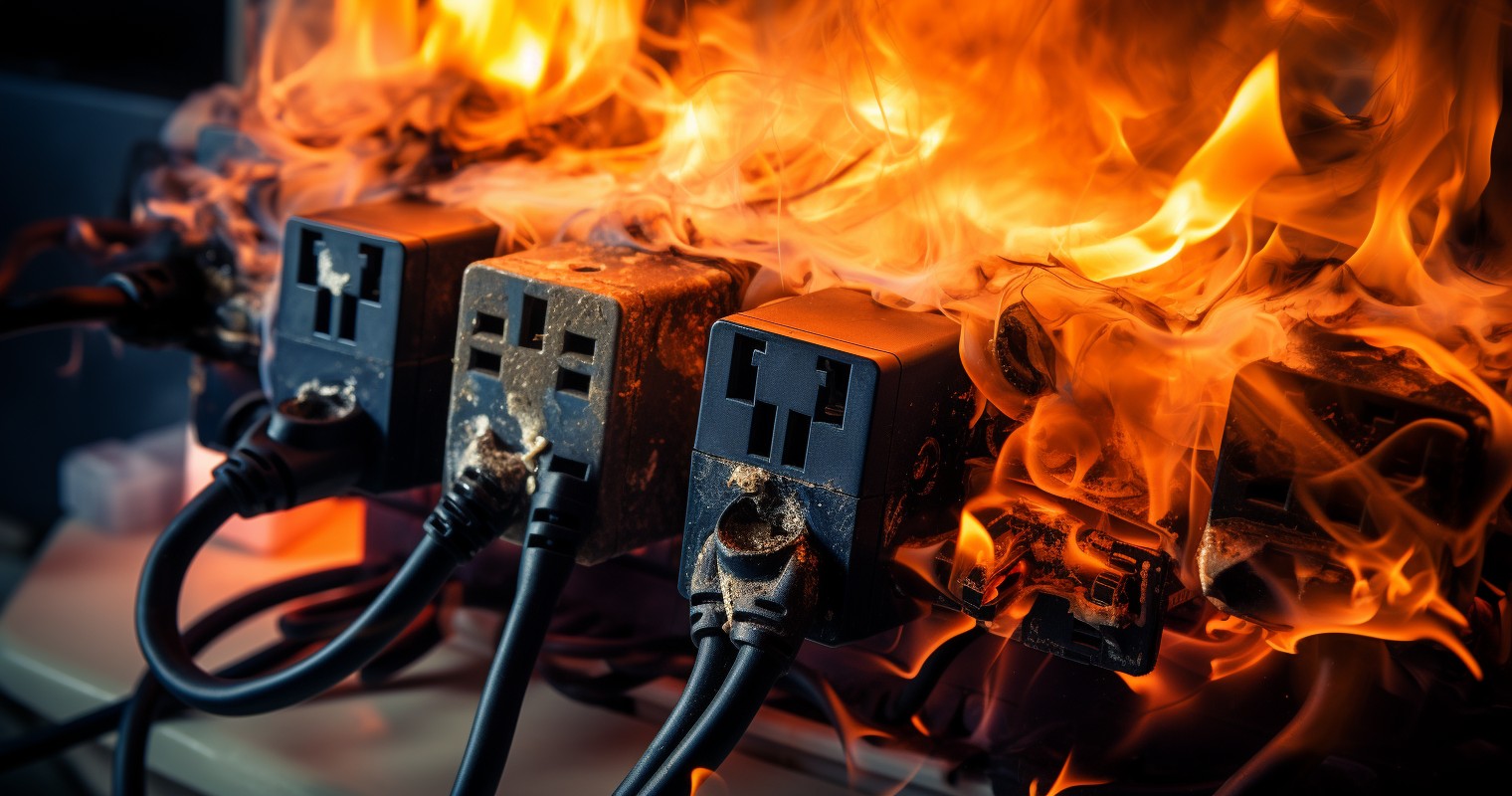
Here's my unpopular opinion: Everyone overloads outlets. Admit it! We all do it. That power strip groaning under the weight of five different phone chargers and a lava lamp? Guilty!
But... is it *safe*? Absolutely not. Overloading causes fires. Remember the phrase, "Don't be a firebug!" Use it often.
Option C: You Can Always Tell if a Wire is Live by Licking It.
Okay, who wrote this one? Were they trying to thin the herd? I mean, come on. Please, *please* don't lick electrical wires.
This isn't a dare. It's a Darwin Award waiting to happen. And while natural selection is a thing, let's not volunteer, shall we?
Option D: Always Use Properly Grounded Outlets.
Grounding. It's like the unsung hero of electrical safety. It's boring. It's technical. But it saves lives. Think of it as the superhero of outlets.
A properly grounded outlet provides a path for stray electricity to flow harmlessly to the ground. It prevents you from becoming part of the circuit. Which is a very bad thing.
And the Winner Is... (Drumroll Please!)
Option D! Congratulations to those who guessed correctly. And to those who didn't... well, at least you're still alive to read this. Which is a win in itself. Right?
Here’s a more serious thought. Electrical safety is important. Don't take it lightly. It's not just about avoiding a zap. It's about preventing fires, injuries, and worse.
A Few Extra Tips (Because We Care)
Okay, so we've established the basics. Now, let's dive into some bonus tips. Think of these as the "secret level" of electrical safety.
Inspect Cords Regularly: Frayed cords are like ticking time bombs. They're just waiting for an opportunity to short circuit and potentially start a fire. Replace them immediately.
Use the Right Wattage: Light fixtures have wattage ratings for a reason. Don't try to be clever and put a higher wattage bulb in. Unless you want to see some sparks fly (literally).
GFCI Outlets are Your Friends: Especially in bathrooms and kitchens. These outlets are designed to trip and cut off power if they detect a ground fault. They can save you from a nasty shock.
Call a Professional: When in doubt, call an electrician. Seriously. Don't try to be a DIY electrician unless you actually *are* an electrician. It's not worth the risk. Safety first!
My Unpopular Opinion (Again!)
Okay, here's another unpopular opinion. Most electrical problems start with cheap extension cords. They are like the fast fashion of the electrical world.
Invest in quality extension cords. They're more durable, safer, and less likely to cause problems. Think of it as an investment in your safety.
Kids and Electricity: A Dangerous Mix
Kids and electricity? It's a recipe for disaster. Keep electrical outlets covered, especially if you have young children. Those little fingers are surprisingly good at finding trouble.
Teach your kids about electrical safety from a young age. Explain the dangers of electricity in a way they can understand. And never let them play near electrical outlets.
Here's a tip: Make electrical safety fun. Use games and activities to teach your kids about electricity. Turn it into a learning experience, not just a lecture.
Lightning Safety: Don't Be a Target
Lightning is scary stuff. And it's not something to take lightly. If you're caught outside during a thunderstorm, seek shelter immediately.
Avoid being near trees, water, or metal objects. These are all excellent conductors of electricity. And you don't want to be part of the circuit. Remember Benjamin Franklin wasn't exactly in the safest position flying that kite!
Inside, stay away from windows and doors. And avoid using electrical appliances. Lightning can travel through electrical wires and cause serious damage.
The Moral of the Story?
Electrical safety is no joke. It's something that should be taken seriously. But that doesn't mean we can't have a little fun while learning about it.
By following these simple tips, you can help keep yourself and your loved ones safe from electrical hazards. And remember, when in doubt, call a professional.
Stay safe, stay smart, and don't lick electrical wires! (Seriously, don't.)