Ever wonder about the really, really small things that make up our world? We're talking about stuff so tiny, you can't even see it with a regular microscope. That's where the world of nanoparticles comes in! Why should you care? Because these minuscule marvels are already shaping our lives in countless ways, from the medicines we take to the screens we stare at all day. It's a bit like discovering a secret ingredient that makes everything better – and understanding what a nanoparticle *is* is the first step.
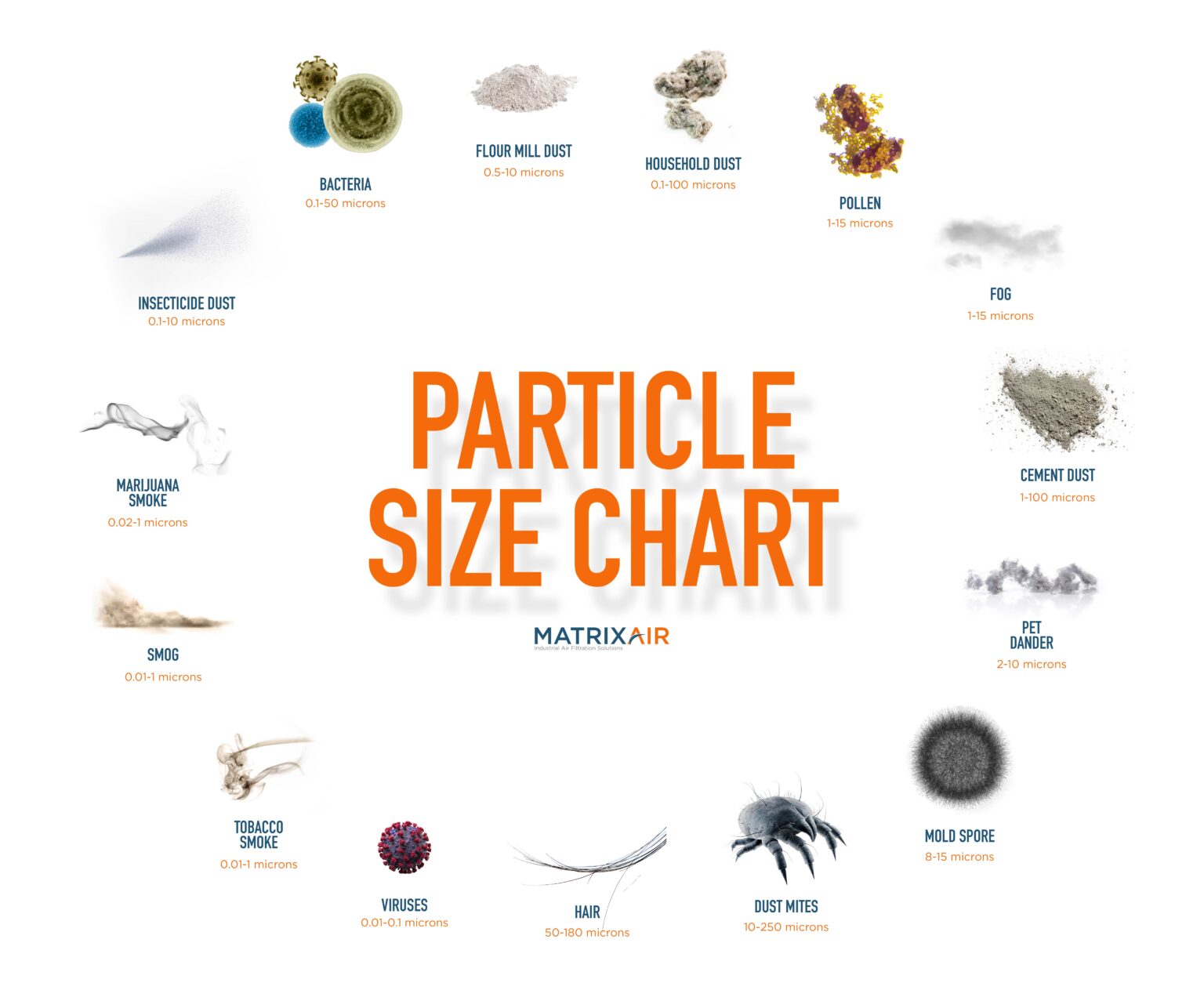
So, let's get straight to the point: Which particle sizes are considered nanoparticles? The answer is surprisingly straightforward. Nanoparticles are generally defined as particles with at least one dimension between 1 and 100 nanometers (nm). A nanometer is a billionth of a meter. To put that in perspective, a human hair is about 80,000 to 100,000 nanometers wide! So, we're talking about incredibly tiny stuff.
But why this specific size range? It's because at this scale, materials often exhibit unique properties that they don't have at larger sizes. These properties can be optical (how they interact with light), electrical (how they conduct electricity), magnetic, or mechanical. This is due to effects of quantum mechanics becoming more important at nanoscale.
The purpose of studying and utilizing nanoparticles is to harness these unique properties for a wide range of benefits. For example, nanoparticles can act as powerful catalysts, speeding up chemical reactions. They can also be used to deliver drugs directly to cancer cells, minimizing side effects. Think of it as a targeted missile strike instead of a widespread bombardment.
You might be surprised to learn that nanoparticles are already a part of your daily life. Consider these examples:
- Sunscreen: Many sunscreens use zinc oxide or titanium dioxide nanoparticles to provide broad-spectrum UV protection. These nanoparticles are transparent and don't leave a white cast on your skin.
- Electronics: Nanoparticles are used in displays for enhanced brightness and color, as well as in computer chips for faster processing speeds.
- Cosmetics: Certain cosmetics utilize nanoparticles to improve texture, delivery of active ingredients, and create long-lasting effects.
- Medicine: As mentioned earlier, nanoparticles are used in drug delivery systems to target specific cells or tissues.
- Textiles: Some fabrics are treated with nanoparticles to make them stain-resistant or antibacterial.
Even in education, nanoparticles play a crucial role. Universities and research institutions use them for materials science, chemistry, and biology studies. They're often used in demonstrations and experiments to teach students about the properties of matter at the nanoscale.
Want to explore the world of nanoparticles a little more? While you can't exactly see them with your bare eyes, there are ways to engage with the concept. You can research the companies that are incorporating nanomaterials into their product, or perhaps look for educational videos online that visualize the nanoscale world. Many science museums offer exhibits that demonstrate the properties and applications of nanomaterials. You can even try simple experiments at home, like observing how the surface tension of water changes when you add a tiny amount of soap, which affects the way liquids behave at a near-nanoscale level.
The world of nanoparticles is a fascinating frontier of science and technology. By understanding what they are and what they can do, we can appreciate the potential for even greater innovation and improvement in our lives. Keep exploring, keep learning, and keep an open mind – the small things can make a big difference!