Alright, let's talk about kitchen science – but the fun, don't-fall-asleep-on-me kind! We're diving into the delicious (and sometimes dangerous if you mess up) world of internal cooking temperatures. Think of it as a secret agent's mission, but instead of saving the world, you're saving dinner… and maybe your tummy!
The Question on Everyone's Plate: What Needs the Heat?
So, the big question: which foods absolutely, positively *need* to reach a certain internal temperature? We're not talking about warming up your coffee (though, that's important in its own right!). We're focusing on those eats that could be harboring unwelcome guests – namely, bacteria – if not cooked properly. Think of them as tiny party crashers you definitely don't want to invite to your gut.
Here's the short answer: Meats, Poultry, Seafood, and Eggs. But let's break that down a bit, shall we?
Meet the Usual Suspects (and Why They Matter)
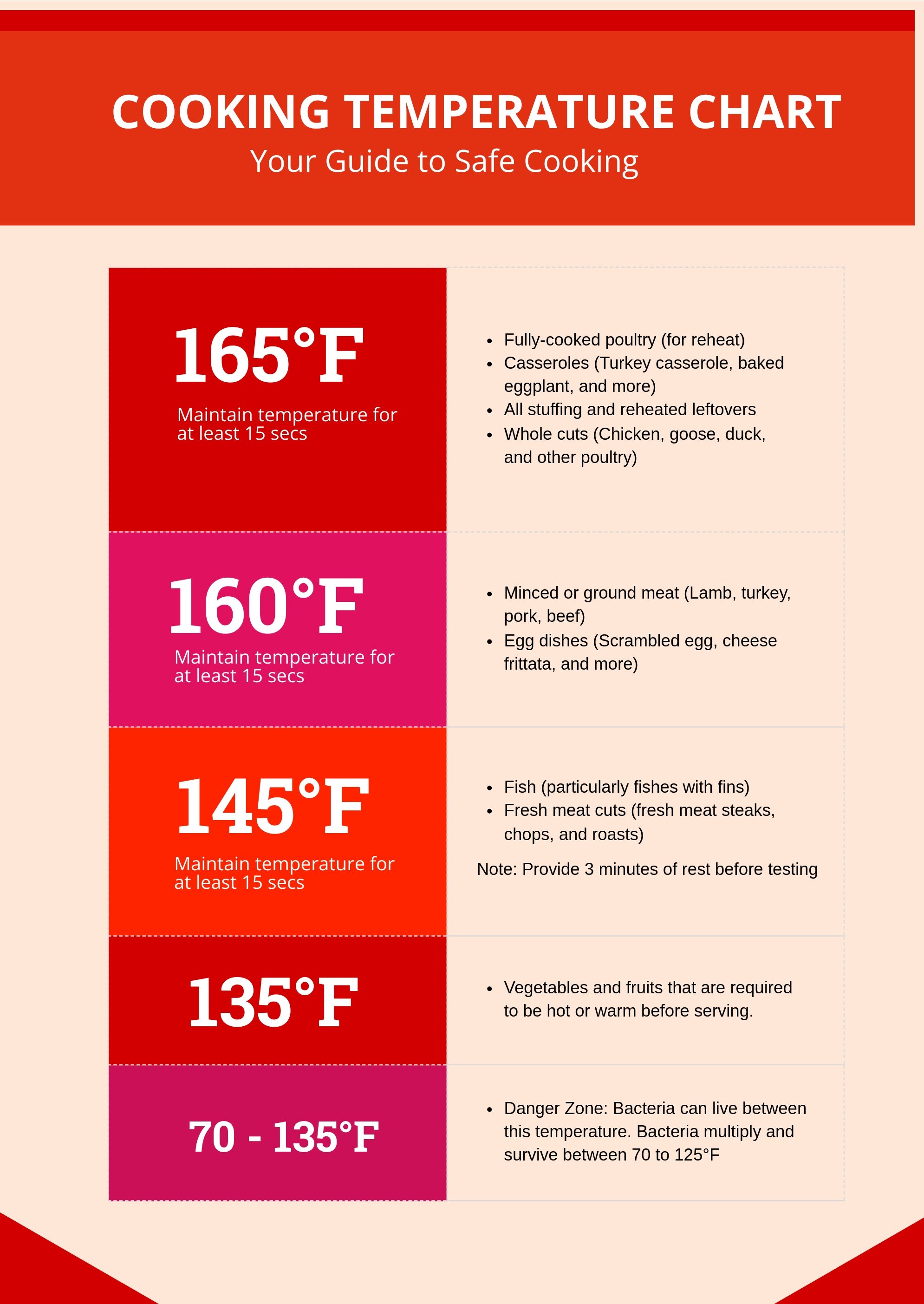
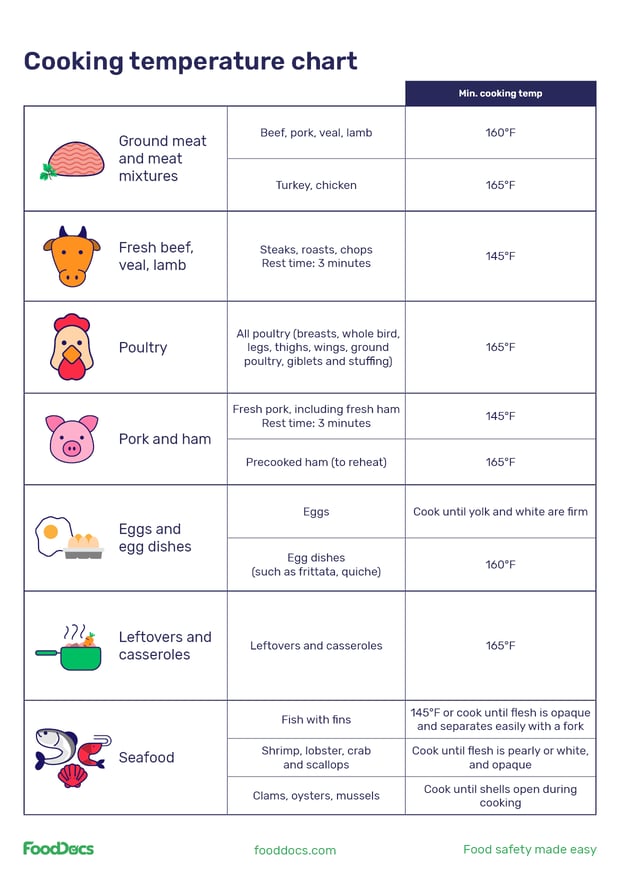
Poultry: Imagine you're roasting a chicken. You see that crispy skin, the tantalizing aroma… but hold on! Just because it *looks* done doesn't mean it *is* done. Chicken and other poultry (turkey, duck, etc.) are notorious for carrying Salmonella. That's why you need to get that internal temperature up to 165°F (74°C). A good meat thermometer is your best friend here. Think of it as your poultry's personal bodyguard, ensuring it's safe and sound!
I remember one Thanksgiving where my aunt swore the turkey was ready. It looked perfect! But wouldn't you know, a quick check with a thermometer revealed it was still dangerously undercooked in the center. Crisis averted! (And thank goodness for the thermometer!)
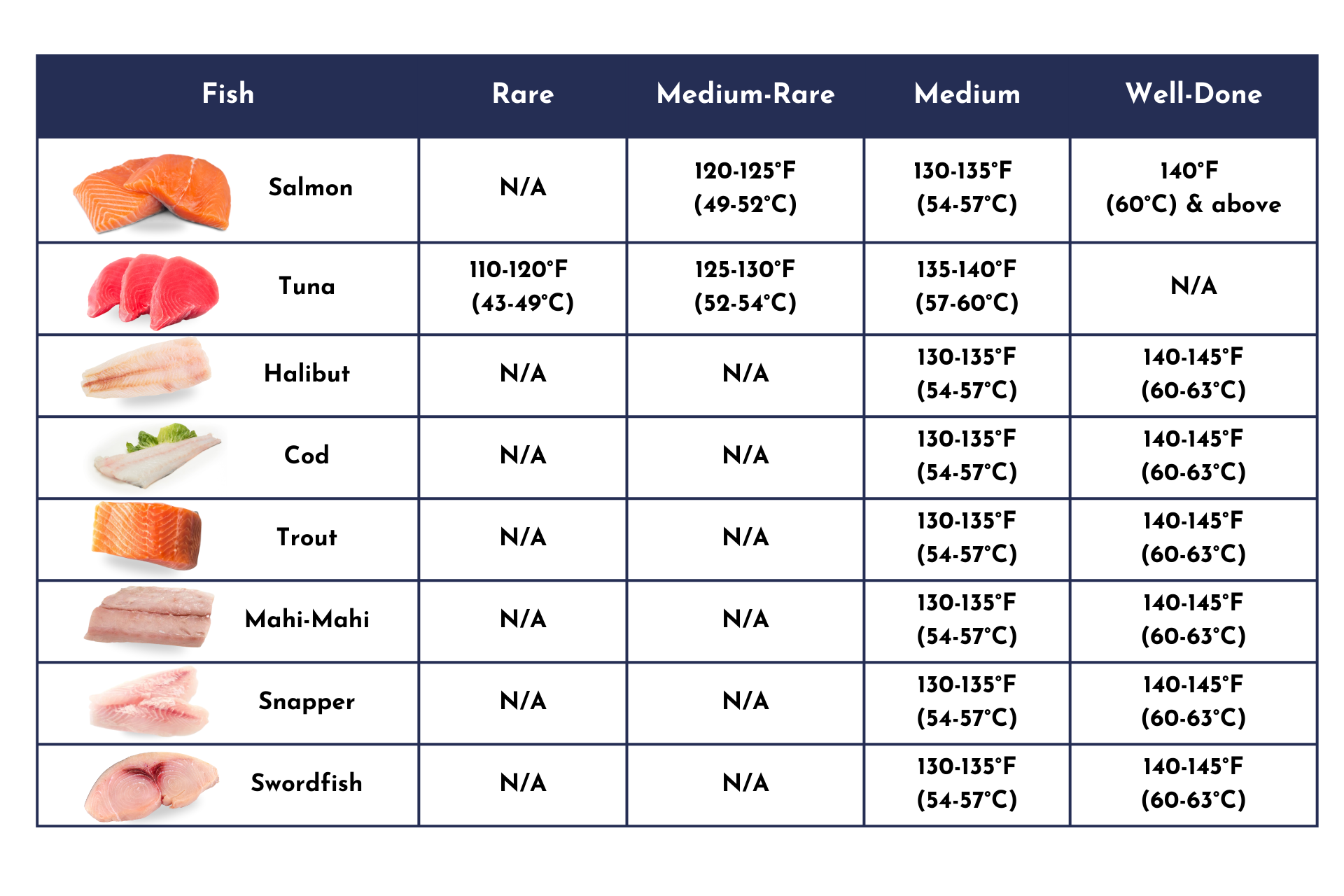
Meats (Beef, Pork, Lamb, Veal): Now, beef is a little trickier. Steaks, for example, can be safely eaten at different levels of doneness. Rare steak is cooked to a lower internal temperature than well-done. This depends on personal preference, but it's *crucial* to know the minimum safe temperatures. Ground meat, like hamburger, is a whole different ballgame! Because it's been ground up, any bacteria on the surface of the meat gets mixed throughout. That means ground beef *must* reach 160°F (71°C) to be safe. Think burgers, meatloaf, and tacos.
Pork and lamb also need some love in the temperature department. Pork needs to hit 145°F (63°C) and let it rest for 3 minutes.
Seafood: Fish and shellfish can be finicky. They often carry bacteria like Vibrio, which can make you pretty sick. To be safe, fish should be cooked to 145°F (63°C), or until it flakes easily with a fork and looks opaque. Shrimp, crab, and lobster need to be cooked until they're opaque and pink/red.
Eggs: Whether you like them scrambled, fried, or poached, eggs need to be cooked until the yolk and white are firm. Scrambled eggs should reach 160°F (71°C). Raw or undercooked eggs can harbor Salmonella, so it's best to play it safe.
What Doesn't Need the Thermometer Treatment (Generally Speaking)
Okay, so what about everything else? Well, most fruits and vegetables don't require internal temperature checks. Of course, if you're baking a potato, you want it to be soft all the way through, but that's more about texture than safety. Things like pasta, rice, and bread are generally cooked until they reach a desired consistency. With these foods, cooking is more about achieving the right taste and texture rather than killing harmful bacteria.
Why All This Matters (and It's Not Just About Being a Good Cook!)
So, why should you care about all these numbers? Because foodborne illnesses are no joke! They can cause everything from a mild stomachache to serious health problems, even hospitalization. Knowing the safe internal cooking temperatures is the easiest and most effective way to protect yourself and your family from getting sick. It’s not about being a culinary perfectionist; it’s about being a responsible cook who prioritizes health and safety.
Think of it this way: a few dollars spent on a good meat thermometer is a small price to pay for the peace of mind that comes with knowing your food is cooked properly. Plus, properly cooked food often tastes better, too! Win-win!
The Takeaway: Temperature is King (or Queen!)
When it comes to cooking meats, poultry, seafood, and eggs, internal temperature is king (or queen!). Don't guess, don't rely solely on appearance, and don't risk it. Invest in a good meat thermometer, learn the safe temperatures, and enjoy your meals with confidence. Happy cooking!