Let's face it, few things feel quite as satisfying as a sparkling clean kitchen. Whether you're a seasoned chef whipping up a gourmet meal, or just scrambling eggs for a quick breakfast, the kitchen is the heart of the home. And at the very core of kitchen hygiene lies the practice of cleaning prep surfaces. It's not just about appearances; it's about ensuring the safety and well-being of yourself and anyone who enjoys the food prepared in your kitchen.
Think of your kitchen prep surfaces as the staging ground for culinary creations. Everything from chopping vegetables to kneading dough happens on these surfaces. Without proper cleaning, they can quickly become breeding grounds for bacteria, viruses, and other unwanted guests. The benefits of diligently cleaning these areas are immense. Firstly, it significantly reduces the risk of foodborne illnesses. No one wants a side of salmonella with their supper! Secondly, it prevents cross-contamination between different food types, like raw meat and fresh produce. And thirdly, it simply makes your kitchen a more pleasant and welcoming place to be.
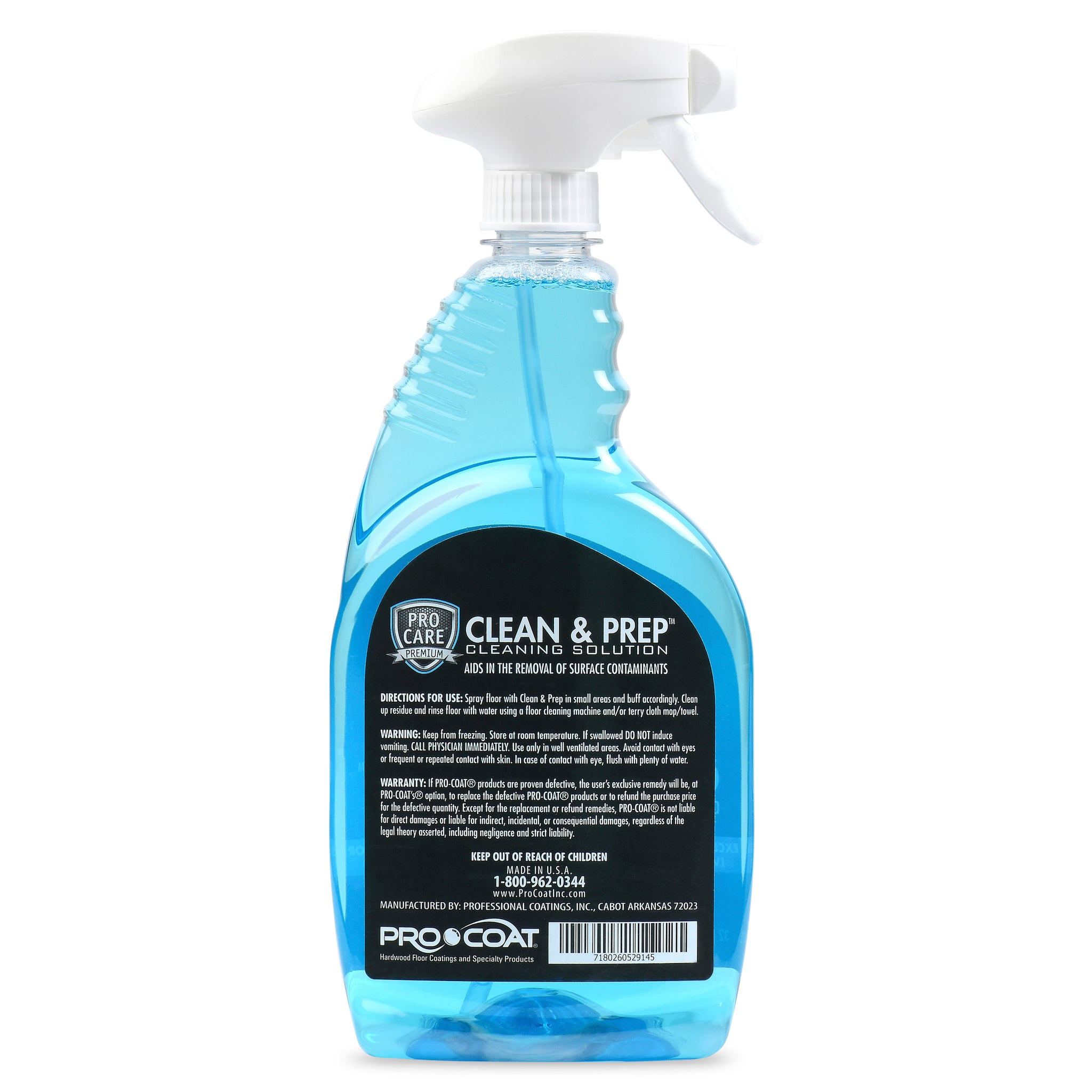
So, which of the following *is/are* used to clean prep surfaces? The answer, of course, depends on the surface and the situation. Hot, soapy water is a classic and effective choice for everyday cleaning of most surfaces like countertops, cutting boards, and tables. Dish soap is designed to cut through grease and grime, making it a reliable go-to. But what about tougher stains or situations requiring a more powerful punch? Enter disinfectants. These are chemical solutions specifically designed to kill bacteria and viruses. Common examples include bleach solutions (always diluted!) and commercial disinfectant sprays. Always read and follow the instructions on the product label carefully when using disinfectants. Vinegar, with its natural acidity, is another popular choice, particularly for removing hard water stains and deodorizing surfaces. For wood surfaces, specialized wood cleaners are often recommended to avoid damage.
Want to elevate your cleaning game? Here are a few practical tips. First, clean as you go. Don't let spills and messes sit for hours – wipe them up immediately. This prevents them from drying and becoming harder to remove. Second, invest in separate cutting boards for raw meats and fresh produce to minimize cross-contamination. Color-coded boards can be helpful for this. Third, ensure proper ventilation when using disinfectants to avoid inhaling harmful fumes. Open a window or turn on the exhaust fan. Fourth, rinse surfaces thoroughly with clean water after cleaning to remove any residue from cleaning products. And finally, don't forget to regularly clean your sponges and cloths! They can quickly become breeding grounds for bacteria themselves. You can microwave them (when wet) for a minute or two or toss them in the dishwasher.
In conclusion, cleaning prep surfaces is a vital part of maintaining a healthy and enjoyable kitchen. By using the right tools and techniques, and by making cleaning a regular habit, you can create a safe and welcoming space for cooking and sharing meals with loved ones. So grab your sponge, choose your weapon of choice (hot soapy water, disinfectant, or vinegar!), and get ready to create a kitchen that sparkles.