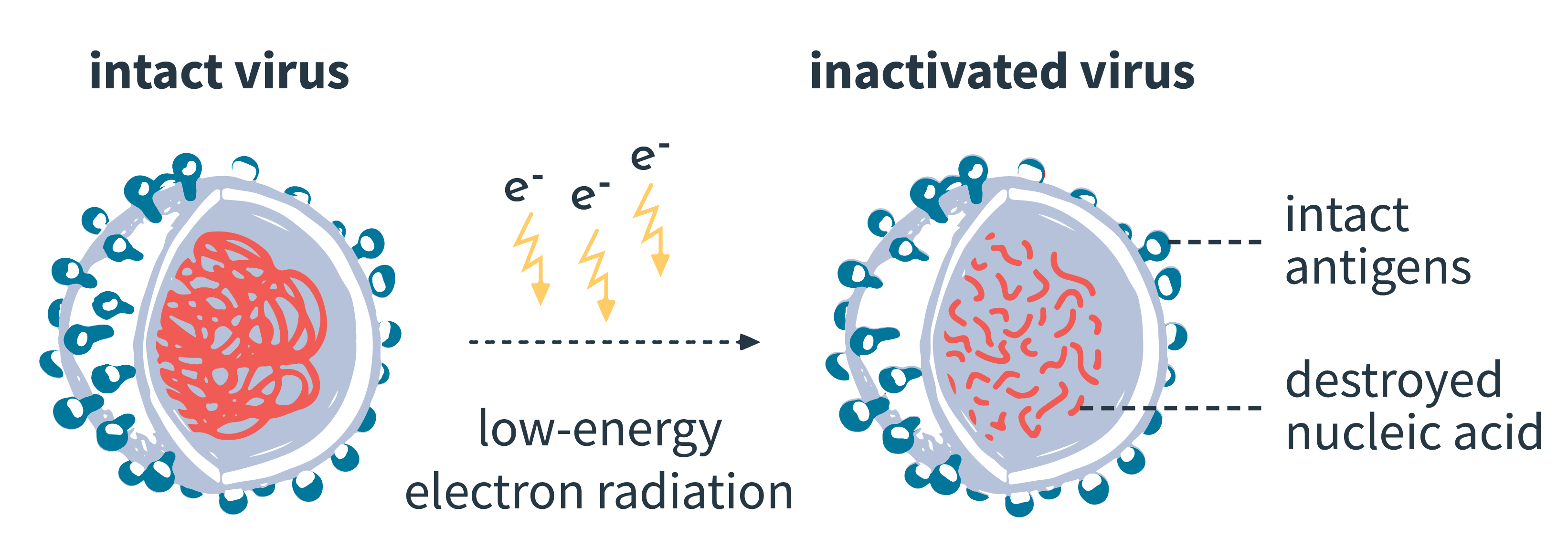
Okay, so picture this: you're at a microscopic-organism themed party (yeah, I know, weird, but go with it!), and everyone's debating the ultimate survivor. Who's the toughest cookie in the microbial world? Who's the Houdini of inactivation? It's a showdown between bacteria, viruses, fungi, and… prions. Yes, prions. Prepare yourselves, because this is about to get a little… brainy. Literally.
We're talking about which of these nasty critters is the hardest to get rid of. Think of it like this: which one would survive a nuclear apocalypse strapped to a Roomba driven by cockroaches? (Okay, maybe that's a *slight* exaggeration... but you get the idea.)
Bacteria: The Party Animals
Let's start with bacteria. They're everywhere! On your keyboard, in your yogurt, maybe even judging your life choices silently from your bathroom counter. Most bacteria are harmless, even helpful. But some, like *Salmonella* or *E. coli*, can ruin your day faster than you can say "food poisoning."
Now, bacteria can be tough. They can form spores, which are like little survival pods. These spores are incredibly resistant to heat, radiation, and disinfectants. Think of them as tiny, armored ninjas waiting for the perfect opportunity to attack. But, generally, we can inactivate them with high heat (autoclaving), radiation, or strong disinfectants like bleach. So, while they're resilient, they're not the ultimate champions of survival.
Fun fact: Some bacteria can even eat plastic! Talk about a weird diet.
Viruses: The Tiny Terrorists
Next up, viruses. These guys are tiny. Like, smaller-than-bacteria tiny. They're basically genetic material wrapped in a protein coat, hijacking your cells to reproduce. Sneaky, right?
Viruses are definitely annoying, responsible for everything from the common cold to the flu to... well, let's not even go there. Some viruses, like HIV or hepatitis C, are particularly nasty because they can establish chronic infections. And some viruses, like norovirus, are notorious for being super contagious and hanging around on surfaces for days.
Different viruses have different levels of hardiness. Some are easily inactivated by soap and water (seriously, wash your hands!), while others are more resistant. But generally speaking, they can be taken down by disinfectants, UV light, and heat. So, while they're a pain, they're not invincible.
Fungi: The Moldy Menace
Ah, fungi. From the delicious mushrooms on your pizza to the dreaded mold in your shower, fungi are a diverse bunch. They can be single-celled, like yeast, or multicellular, like mushrooms and molds. Some fungi can cause infections, like athlete's foot or ringworm. And let's not forget the ever-present threat of mold ruining your cheese!
Fungi are generally more resistant to disinfectants than bacteria and viruses. Their cell walls are made of chitin, a tough material that provides protection. Some fungal spores can also survive for long periods in harsh conditions. But, with the right antifungal agents, heat, and proper cleaning, we can usually keep them at bay. So, while they're persistent, they're not unbeatable.
Prions: The Brain-Bending Baddies
Now, brace yourselves, because we're about to enter the realm of the truly bizarre. Enter: prions. These aren't bacteria, viruses, or fungi. They're misfolded proteins. Yes, proteins. That's it.
But these misfolded proteins are incredibly dangerous. They can cause fatal neurodegenerative diseases, like Creutzfeldt-Jakob disease (CJD) in humans and "mad cow" disease in cattle. And here's the kicker: they're incredibly difficult to inactivate.
Why? Because they're just proteins! They don't have DNA or RNA. They don't reproduce. They simply cause other proteins to misfold, creating a chain reaction of protein mayhem. And they're resistant to many of the standard sterilization methods we use for bacteria, viruses, and fungi. Autoclaving at standard temperatures? Nope. Radiation? Nope. Common disinfectants? Nope, nope, nope!
In fact, inactivating prions requires extreme measures. We're talking about autoclaving at very high temperatures (like, 134°C) for extended periods, or using strong chemicals like sodium hydroxide. Even then, complete inactivation is difficult to guarantee. They are so stubborn, in some settings, single-use instruments are preferred to ensure no cross-contamination.
So, there you have it. The champion of the microbial survival games is… prions! These misfolded protein monsters are the toughest to inactivate, making them a serious concern in healthcare settings. Let's all just hope we don't encounter them at that microscopic-organism themed party.
Okay, now who wants to go get some coffee? I need a break from thinking about misfolded proteins... maybe with a REALLY strong dose of caffeine. You know, just in case.