Okay, so you're asking about nuclear energy, huh? The big, glowing... well, not always glowing, but you get the idea. It's a topic that can be a bit intimidating, but let’s break down one of its advantages in a fun way. Ready to dive in?
We're talking about power, baby! Massive, consistent power. That's the key advantage we're going to unlock today. Forget chasing the wind (literally) or praying for sunny days. Nuclear doesn't care about the weather. It's like that dependable friend who always has your back... with electricity!
Consistent Energy, Rain or Shine
Think about it. Solar panels are amazing, right? But what happens when a cloud rolls in? Your phone's slowly draining battery starts to mock you. Wind turbines? Awesome when the wind's howling. Less awesome when it's a gentle breeze that barely ruffles your hair. Nuclear, on the other hand, is the steady Eddy of the energy world.
It provides a consistent baseload power supply. This means it runs pretty much all the time, keeping the lights on, the Netflix streaming, and the cat's electric blanket purring (yes, some cats have electric blankets – it's a thing!).
No flickers. No sudden blackouts (hopefully!). Just reliable energy flowing into your life.
Why is this consistency so important? Well, imagine a hospital. They can't afford power outages during surgery, right? Or a data center, where even a few seconds of downtime can cost millions. Nuclear provides that crucial level of reliability that some other energy sources simply can't match.
Small Footprint, Big Power
Another cool thing? Nuclear power plants don't actually need a huge amount of land compared to the amount of energy they produce. Think of those sprawling solar farms or vast wind farms. They take up a *lot* of space. Nuclear plants, relatively speaking, are more compact.
Imagine trying to power a city with only windmills. You'd need a *ton* of them, spread out across the landscape. Not exactly aesthetically pleasing, right? Plus, all that land could be used for other things, like growing food or building…a giant trampoline park (just throwing that out there!).
With nuclear, you get a lot of power from a relatively small area. It’s like having a tiny superhero with super-strength. Okay, maybe not *that* exciting, but still pretty impressive.
It's All About Uranium (and a Little Physics Magic)
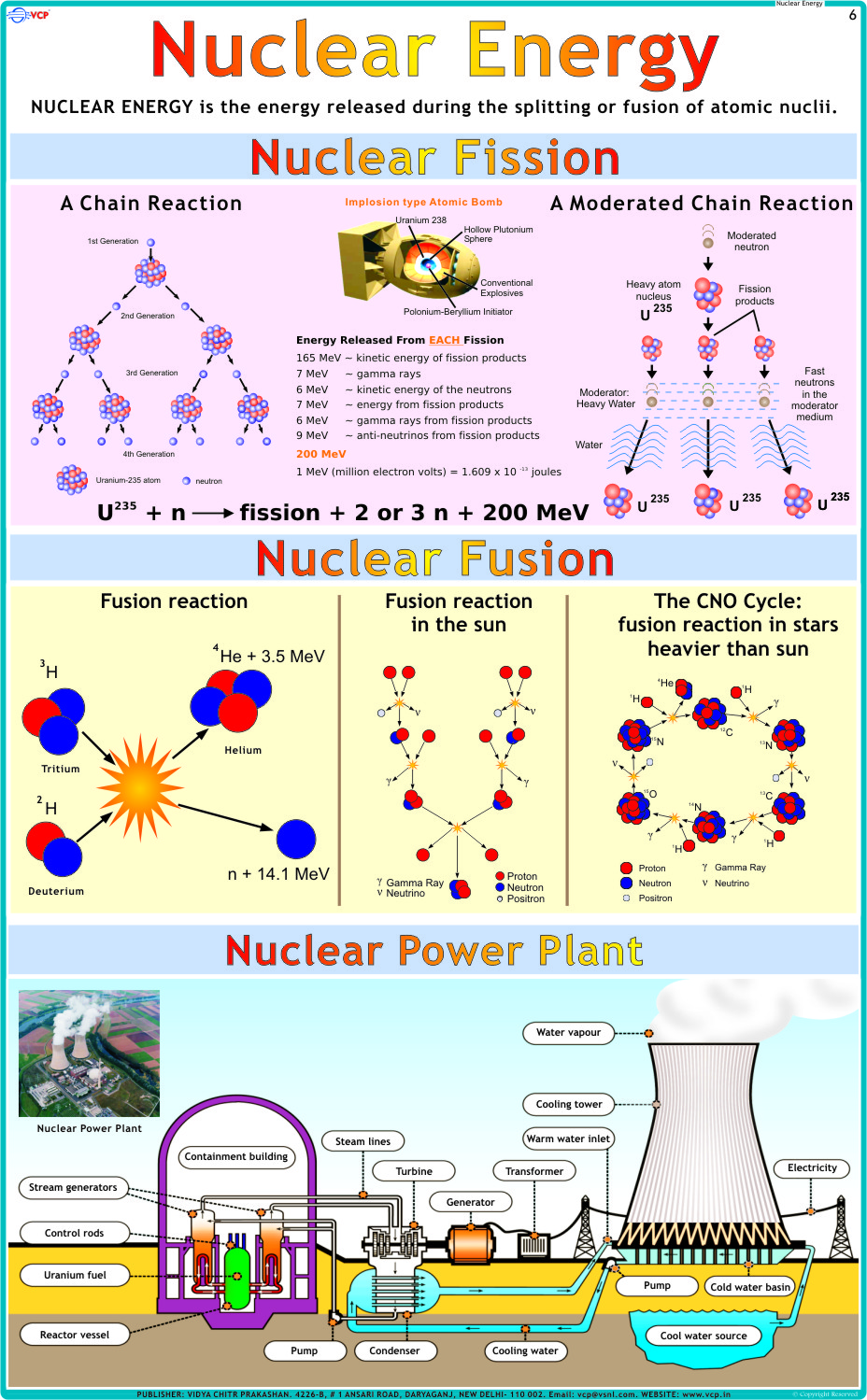
So, what's the secret sauce behind this consistent power? It all boils down to uranium. This element is used as fuel in nuclear reactors. And it’s packed with energy just waiting to be released. The process, called nuclear fission, splits uranium atoms, releasing a *huge* amount of heat. This heat boils water, which creates steam, which turns a turbine, which generates electricity. Science!
Think of it like this: you're taking something incredibly tiny (an atom) and unlocking a ridiculous amount of energy. It's like finding a hidden treasure chest filled with electricity!
Low Greenhouse Gas Emissions (Yes, Really!)
Now, I know what you might be thinking: "But isn't nuclear dangerous?" It's a valid concern! And it's important to consider the risks. But here's a little-known fact: nuclear power plants themselves don't emit greenhouse gases during operation. Zip. Zero. Nada.
That’s right! While the entire nuclear fuel cycle (mining, processing, etc.) does have some emissions, the *actual* power generation process is pretty clean. Compared to burning fossil fuels like coal or natural gas, nuclear is a significant improvement when it comes to air quality and climate change.
It's like trading in your gas-guzzling monster truck for a sleek, electric scooter. The planet will thank you (and maybe give you a high five!).
The Catch? It's Complex (and Expensive)
Of course, no energy source is perfect. Building and maintaining nuclear power plants is incredibly complex and expensive. We're talking about serious engineering feats and stringent safety regulations. This complexity translates into high upfront costs.
And then there's the issue of nuclear waste. Dealing with radioactive waste safely and responsibly is a major challenge. It requires long-term storage solutions and careful management to prevent environmental contamination. It's not as simple as tossing it in the recycling bin (please, *don't* do that!).
The Verdict? A Powerful Contender
So, is nuclear energy the answer to all our energy woes? Probably not. But it's definitely a powerful contender. Its consistent baseload power, relatively small footprint, and low greenhouse gas emissions (during operation) make it a valuable tool in our quest for a cleaner, more reliable energy future.
It's like having a Swiss Army knife for energy – versatile and useful, but not necessarily the *only* tool you need. But hey, knowing about nuclear energy and its advantages is pretty cool, right? You can now impress your friends at parties with your newfound knowledge. Just try not to sound too nerdy!