
Okay, picture this: I'm in my grandpa's garage, surrounded by a chaotic symphony of tools, nuts, and bolts. He’s got this *massive* pile of scrap metal he's been hoarding "for a project," you know how grandpas are. I’m supposed to be helping him sort it (read: mostly staying out of his way), and I pick up this weird, shiny reddish piece. I ask him, "What's this, Grandpa?" He just grunts, "That's copper, kid. Good stuff." Good stuff? What even *is* copper good for? And more importantly, what *is* copper, really?
Turns out, Grandpa wasn't wrong. Copper is good stuff. But figuring out *why* it's good stuff leads us straight into the wonderful world of physical properties! And, since you're here, you probably want to know: Which of the following *is* a physical property of copper? Let's dive in.
What's a Physical Property Anyway?
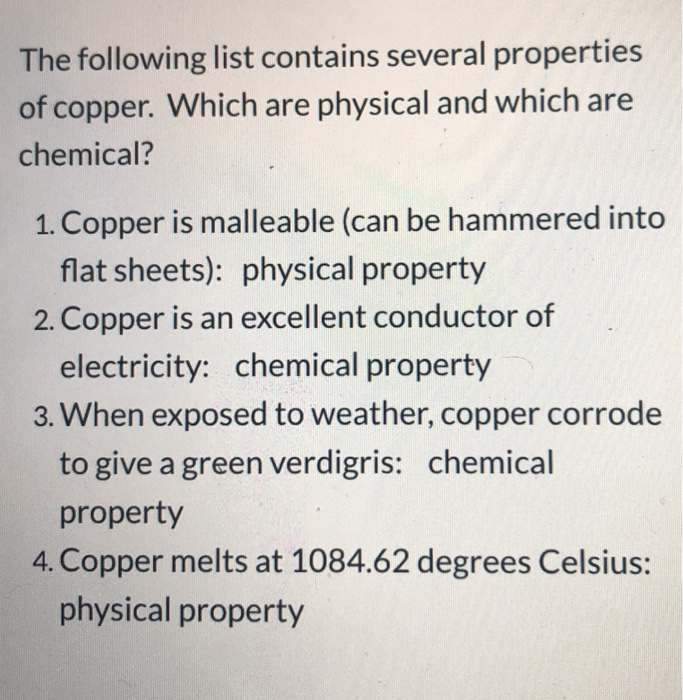
Before we even think about copper, we need to understand what a physical property *is*. Simply put, it’s a characteristic of a substance that you can observe or measure without changing the substance's chemical identity. Think about it like this: if you're just looking at something or poking it or bending it, and it's still the same *thing* afterward, you're dealing with a physical property.
Consider water. You can see it (clarity), feel it (temperature), and even measure its density. You're still left with water at the end of the day. Now, if you add electricity to it and split it into hydrogen and oxygen...that's a whole different ball game (chemistry!).
So, things like color, density, melting point, boiling point, and electrical conductivity are all physical properties. They describe what something is without changing what it *is*.
Copper: A Physical Property Powerhouse
Now, let's get back to that "good stuff" – copper! It's got a whole bunch of interesting physical properties that make it super useful. And knowing these is exactly how you can answer our initial question.
Let's consider some likely candidates you might see on a test or quiz (or even in a Grandpa's garage...):
- Color: Copper has that distinctive reddish-orange color. You've seen it, right? Think pennies (the old ones, anyway), or wiring.
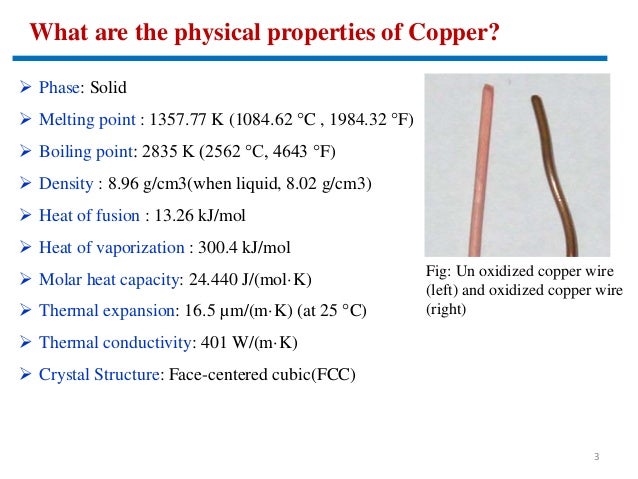
- Melting Point: It takes a lot of heat to melt copper (1,984°F or 1,085°C, to be precise). This makes it suitable for high-temperature applications.
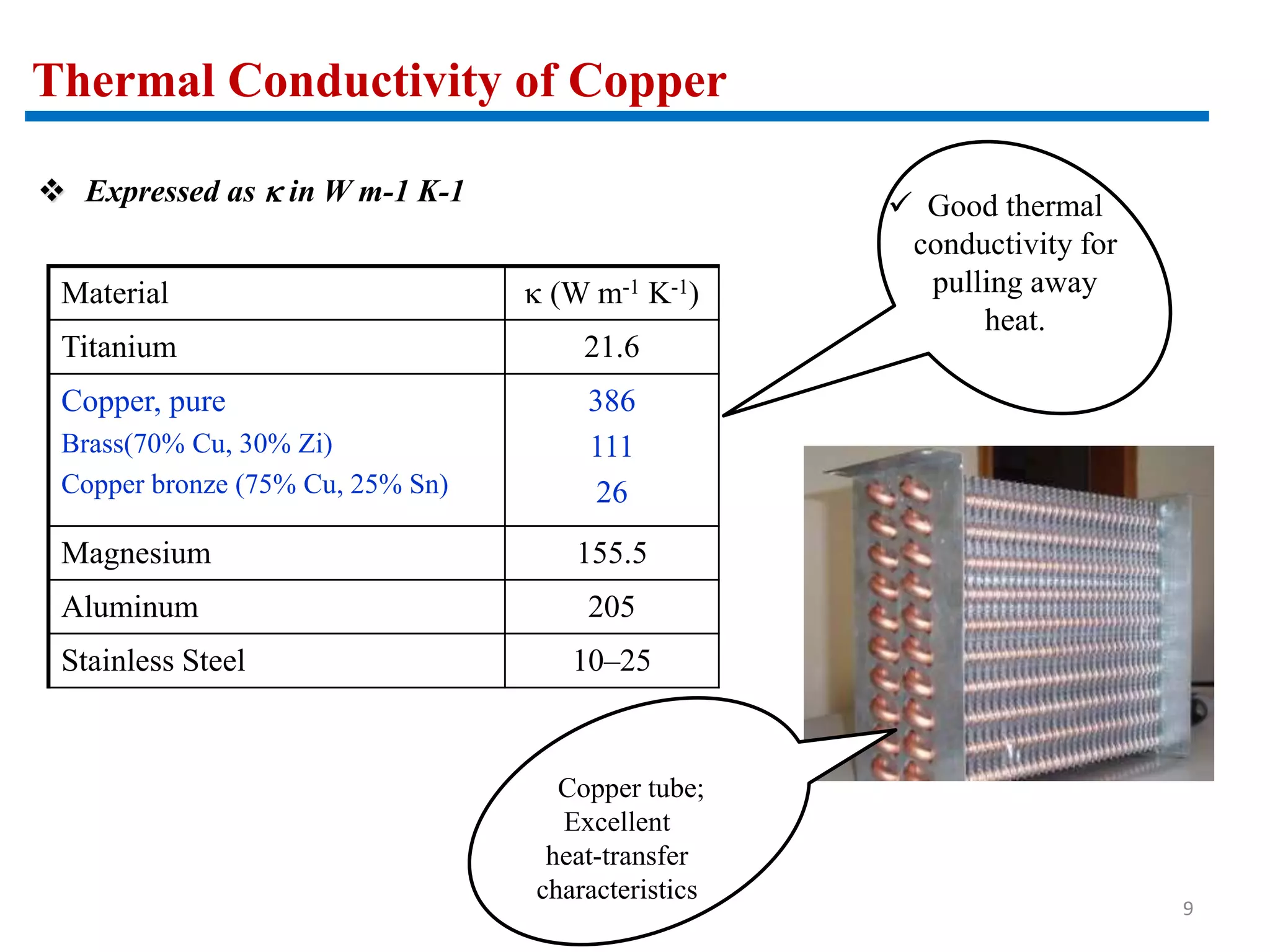
- Electrical Conductivity: Copper is an excellent conductor of electricity. That's why it's used in wiring for pretty much everything. Your phone, your computer, your toaster...thank copper!
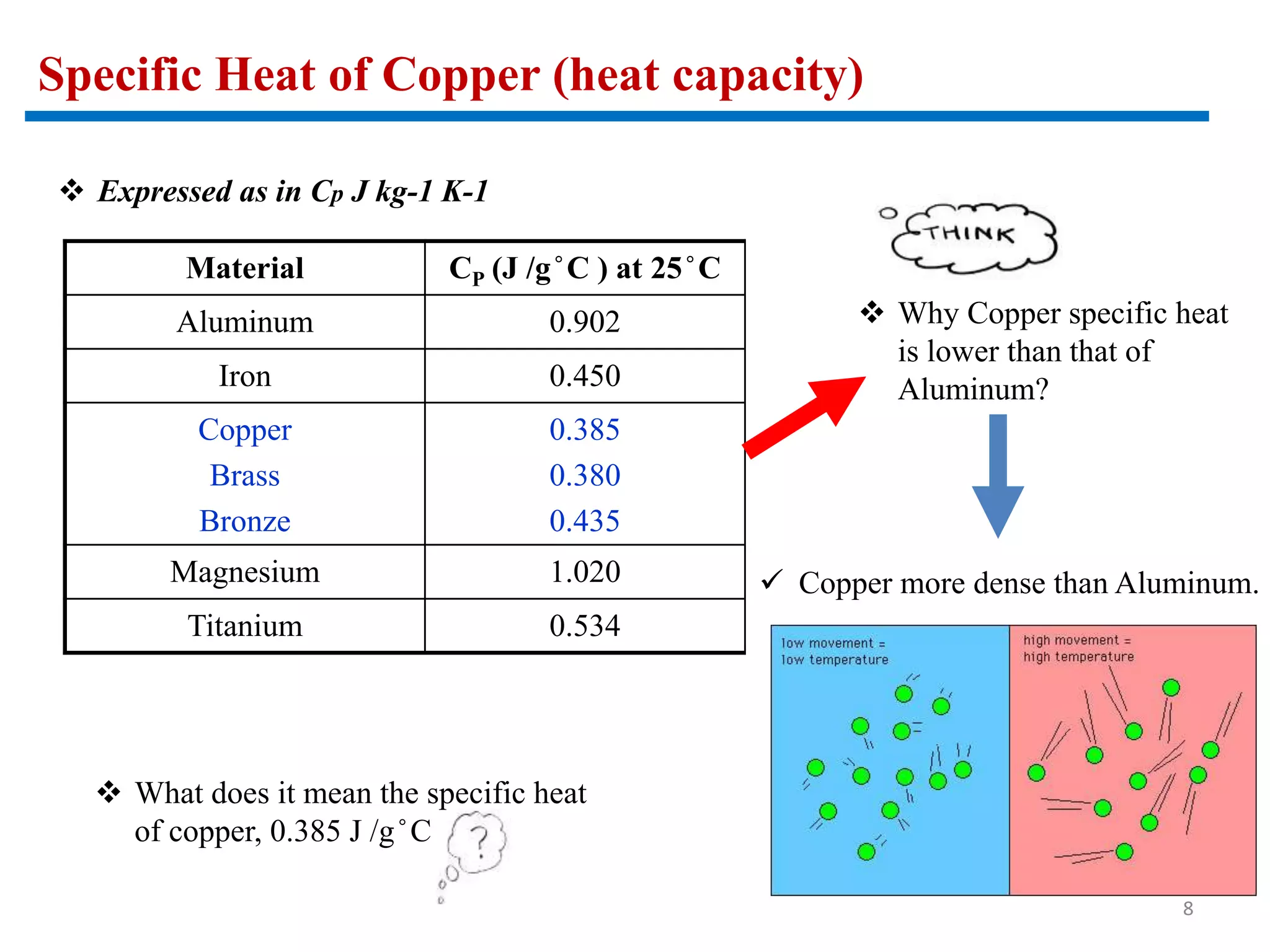
- Density: Copper is relatively dense. Pick up a copper pipe and you'll feel it has some weight to it.
- Reaction with Acid: Now this is tricky. While copper can react with certain acids, it's usually a *chemical* change. Think about that Statue of Liberty's green patina – that’s a result of copper reacting with the environment, resulting in a new compound.
So, if the question is "Which of the following is a physical property of copper?", you’d want to choose something from that list *except* the one that involves a chemical reaction. Basically, avoid anything describing how copper *changes* into something else.
So, What's the Answer?
Without the specific choices in front of me, I can't give you a definitive answer. But, using what we've learned, here’s how you can tackle it. Look for properties that describe copper without changing its identity. If the option involves a chemical reaction, cross it off!
For example, if your options were: A) Reacts with nitric acid, B) Reddish-orange color, C) Tarnishes in air, D) Forms copper oxide when heated, then the answer would be B) Reddish-orange color. Why? Because the other choices involve copper *reacting* with something and changing its chemical composition.
Remember Grandpa's words: "Good stuff." And now you know *why* it's good stuff – because of its awesome (and useful) physical properties!
Good luck with your copper quizzing! And next time you see a piece of copper, give it a little nod and appreciate its physical prowess.
:max_bytes(150000):strip_icc()/copper-56a128bd5f9b58b7d0bc94ad.jpg)