

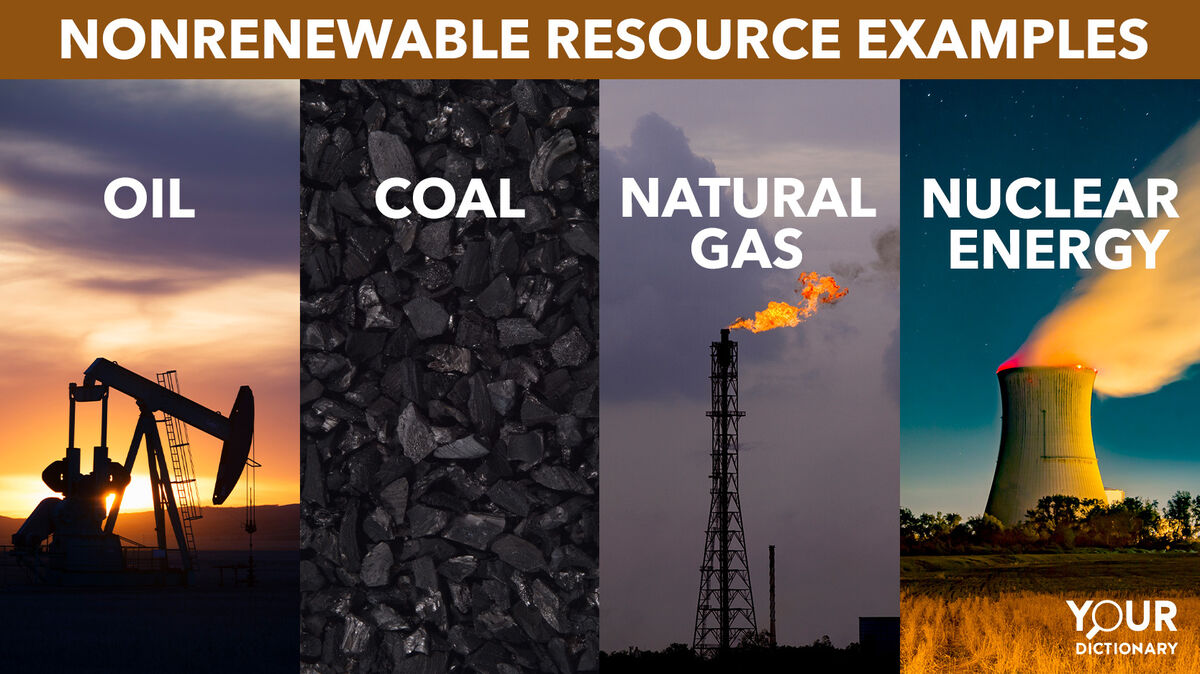
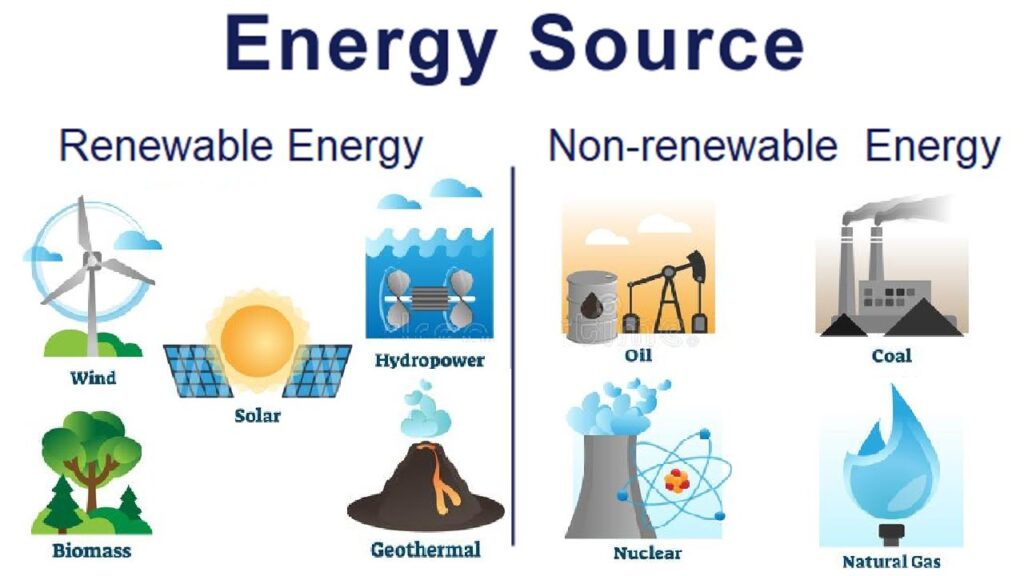
Okay, let's play a quick game! Imagine you're powering your creative spaceship, ready to zoom into a world of imagination. You have a choice: sunbeams, wind gusts, ancient dinosaur juice (aka fossil fuels!), or flowing rivers. Which one's going to run out eventually? That, my friends, is our nonrenewable energy resource!
The answer, of course, is fossil fuels – things like coal, oil, and natural gas. But why are we talking about this when we could be painting masterpieces or knitting cozy scarves? Because understanding where our energy comes from can spark some surprisingly cool creative projects and learning opportunities!
Think about it: awareness fuels inspiration! For artists, knowing about nonrenewable energy can open doors to powerful themes. You could create stunning digital art depicting the beauty of nature threatened by pollution. Imagine dramatic landscapes painted with colors reflecting the fiery intensity of burning coal. Or, sculpturally, you could use recycled materials to build a miniature oil rig as a commentary on our consumption habits. The possibilities are endless!
For hobbyists, understanding the limitations of nonrenewable energy can lead to ingenious upcycling projects. Old plastic bottles, a byproduct of the oil industry, can be transformed into vibrant planters. Discarded tires, once destined for landfills, can become quirky outdoor furniture. Even the simple act of repurposing glass jars for storing crafting supplies becomes a small act of environmental consciousness.
Casual learners can dive into the fascinating history of energy production. Researching the lives of oil barons, the impact of coal mining on communities, or the scientific breakthroughs that led to the discovery of fossil fuels can be surprisingly engaging. You could even create a family board game focused on sustainable energy solutions, turning learning into a fun activity for everyone!
Want to try something at home? It’s easier than you think! Start small. Gather some recycled materials – cardboard boxes, plastic lids, tin cans. Challenge yourself to create a piece of art or a functional object using only these materials. Document your process, research the environmental impact of each material, and share your creation online! Think of it as a mini-experiment in sustainable creativity.
Another fun project? Build a solar oven using cardboard, aluminum foil, and a sheet of glass. This demonstrates the power of renewable energy in a tangible way. You can even bake cookies in it (on a sunny day, of course!).
Ultimately, understanding the difference between renewable and nonrenewable energy sources isn't just about saving the planet (though that's a pretty big deal!). It's about opening our minds to new perspectives, fostering creativity, and finding joy in the simple act of making something meaningful. It’s about recognizing our connection to the earth and empowering ourselves to make informed choices, one upcycled artwork or solar-baked cookie at a time. And that, my friends, is a pretty powerful feeling.

:max_bytes(150000):strip_icc()/nonrenewableresource--45c79b3da26d4bd0bf7e7ee1ad82c4a5.jpg)