Okay, let's play a game! A brain-tickling, helmet-related, electrically-tinged game. We’re going to figure out which helmet wouldn’t save you from a shocking situation. No, not the price tag on some of these things – I mean *actual* electricity.
Think about it. Helmets. We wear them for safety, right? But safety from *what* is the real question. Are we talking falling rocks? Rogue hockey pucks? Or maybe… zappy volts?
So, picture this: You’re facing a live wire. Uh oh. You have four helmets to choose from. Which one will protect your precious noggin from becoming a human conductor?
The Helmet Lineup
Let's meet our contenders:
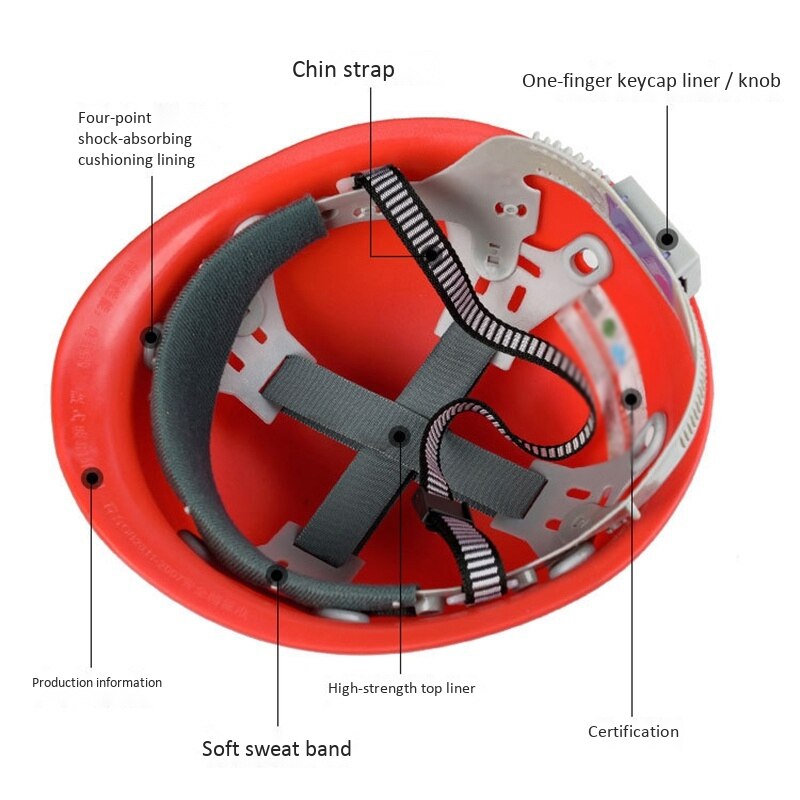
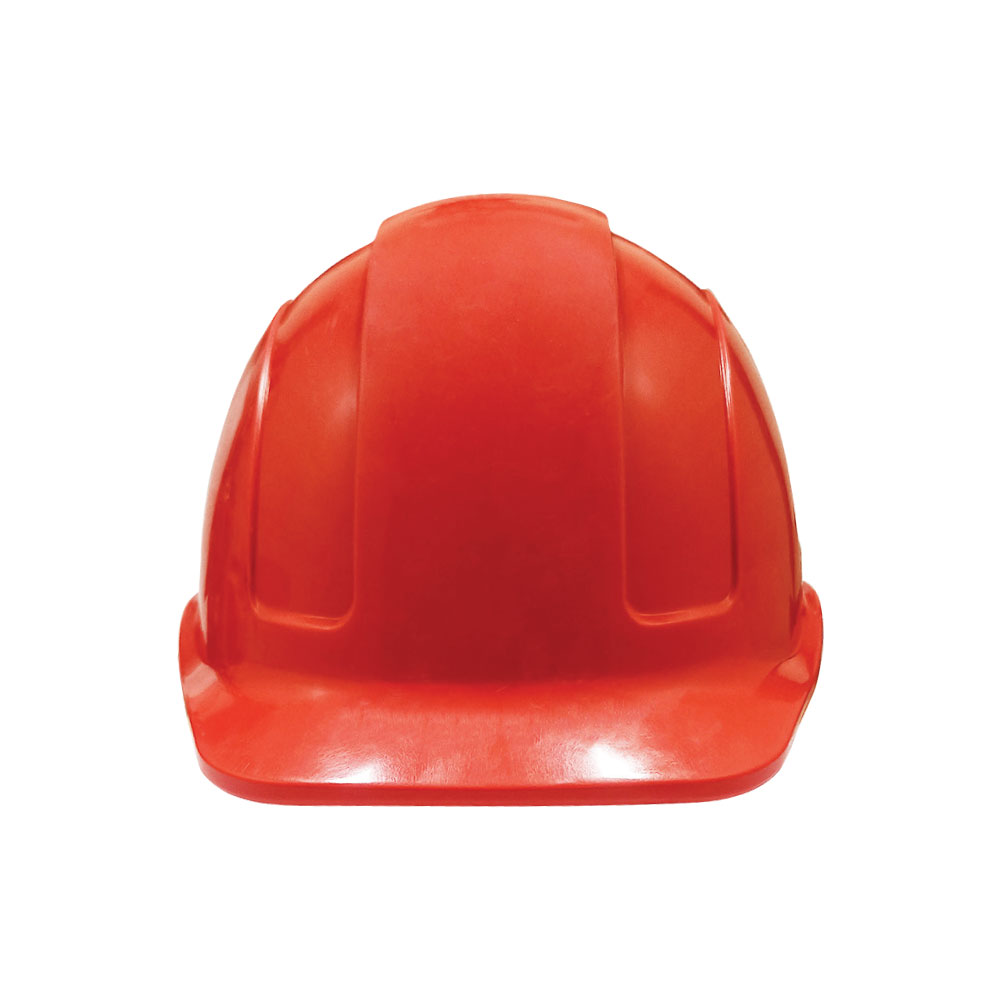
- A. A standard construction hard hat. You know, the kind you see on building sites.
- B. A hockey helmet. For deflecting slap shots and maybe a few errant elbows.
- C. An electrical lineman's helmet. Seems promising, right?
- D. A bicycle helmet. Airy, stylish, and probably covered in neon.
Now, I know what you’re thinking. “This is too easy!” Maybe. Maybe not. Let’s break it down, shall we?
Hard Hats and Hockey Helmets: A Double Act
First up: the construction hard hat. Solid choice in a falling-debris kind of situation. It'll keep your head from becoming a pancake. But electricity? I wouldn’t bet my eyebrows on it. It's designed for impact, not insulation. Sorry, hard hat.
Next, we've got the hockey helmet. Designed to protect your skull from high-speed projectiles and the occasional face-plant on the ice. Does it scream "electricity repellent"? No. Does it even whisper it? Nope. I’m thinking more along the lines of "slap shot resistant." Next!
The Obvious Choice (or is it?)
Then there's the *electrical lineman's helmet*. This seems like a no-brainer, right? I mean, it's literally in the name! It's designed for the job. It's made to withstand electrical currents. It's the clear winner... allegedly.
But here’s my unpopular opinion: maybe it's *too* obvious? Are we being lulled into a false sense of security? Just kidding! Of course, this one's designed to protect you from electrical hazards. The engineers who make these think about electrical safety every single day. This helmet is generally designed for the dangers around electricity.
The Pedal-Powered Peril
That leaves us with… the bicycle helmet. Ah, yes, the symbol of weekend warriors and Lycra enthusiasts everywhere. Lightweight, aerodynamic (sort of), and perfect for preventing scrapes and bruises. But electrically safe? Seriously, don't even think about it. That polystyrene foam and those flimsy straps aren't going to do a darn thing against a jolt of electricity. Maybe it will insulate you a tiny amount, but certainly not enough to save you!
The Shocking Truth (Pun Intended)
So, which helmet *doesn't* provide electrical protection? It's the bicycle helmet. It's not even close. It's designed for a completely different kind of impact – like, say, a sudden, unexpected encounter with the pavement. Not high-voltage electricity.
I know, I know, you probably guessed it. But hey, it's always good to double-check, right? You wouldn't want to find out the hard way (pun *also* intended) that your helmet is more about style than substance when it comes to electricity.
So, the next time you're facing a potentially electrifying situation, leave the bike helmet at home. Stick with the one specifically designed for the job. And maybe consider taking an electrical safety course while you're at it. Just sayin'.
Stay safe, and keep your helmets (and opinions) grounded!
Unless you're an electrical lineman. Then, you know, stay un-grounded (but safe!).
Disclaimer: Please don't test these theories at home. Or anywhere else, for that matter. This is all in good fun and should not be taken as actual safety advice. When dealing with electricity, always consult a qualified professional. Remember, safety first!