Ever flick a light switch and think, "Wow, electricity! Where does this magic come from?" Well, buckle up, buttercup, because we're diving headfirst into the wild world of residential electricity generation! Let's see which method rings a bell for you.
The Usual Suspects: Power Plants (But We're Not *Really* Generating at Home, Are We?)
Coal: The Old Reliable (Sort Of)
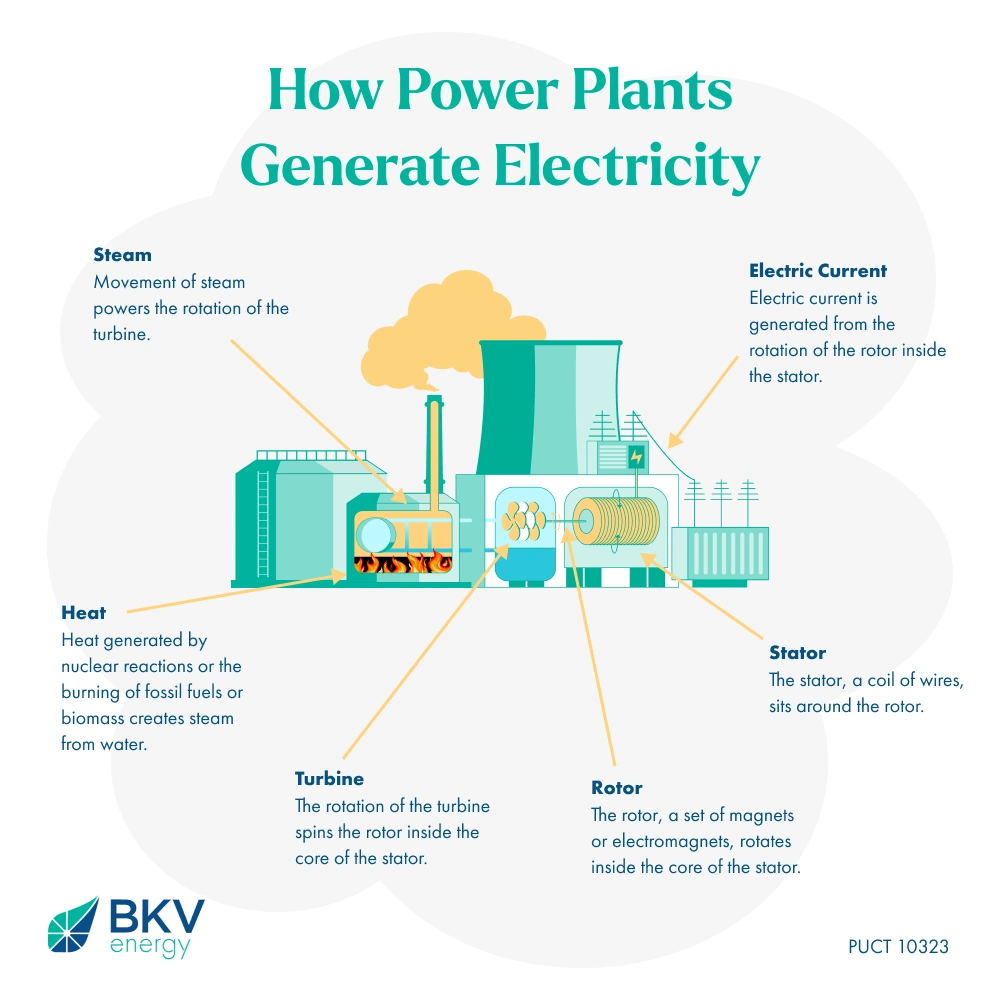
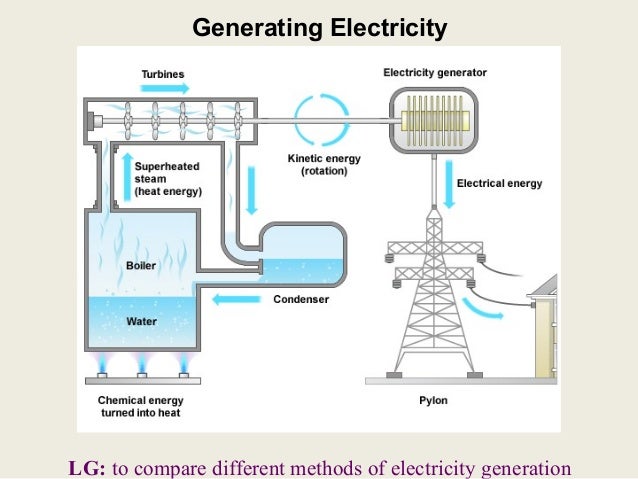
Ah, coal. The OG power source. Imagine a tiny, fuel-hungry dinosaur munching on ancient forests, then turning into black rocks we burn to boil water. That steam spins a turbine, which makes electricity. Boom! Power! (Okay, it’s a *bit* more complicated, but you get the gist.)
Think of it like this: you're making tea, but instead of just enjoying a cuppa, you're using the steam to power your entire neighborhood! Now, I know what you're thinking: "Coal? Is that even still a thing?" Yes, my friend, it’s still around. It's like that one uncle at Thanksgiving who always tells the same jokes, but he *is* technically family.
Natural Gas: The Sleek and Modern Cousin
Natural gas is like coal's younger, more sophisticated cousin. It burns cleaner (allegedly cleaner, anyway), and produces electricity in a similar way. Picture a fancy gas stove, but instead of cooking dinner, it's powering your entire Netflix binge-watching session. What a show!
It's the fuel source that whispers sweet nothings about "efficiency" and "lower emissions," but like any smooth talker, it's worth doing your research before falling head over heels. Just saying!
Nuclear: The (Slightly) Scary Genius
Okay, nuclear power. This one involves splitting atoms, which sounds like something straight out of a sci-fi movie. It's like having a tiny sun in a heavily guarded building, carefully controlled to boil water and generate electricity. Think Homer Simpson, but with more science and fewer donuts (hopefully!).
It doesn't produce greenhouse gases, which is a huge plus. But the waste…well, let's just say you wouldn't want to store it in your backyard. We're talking about some serious half-life implications! But when it works? It's so efficient. It is like having a Tesla that runs on wishes.
Getting Closer to Home: Renewable Resources!
Solar: The Sunny Superstar
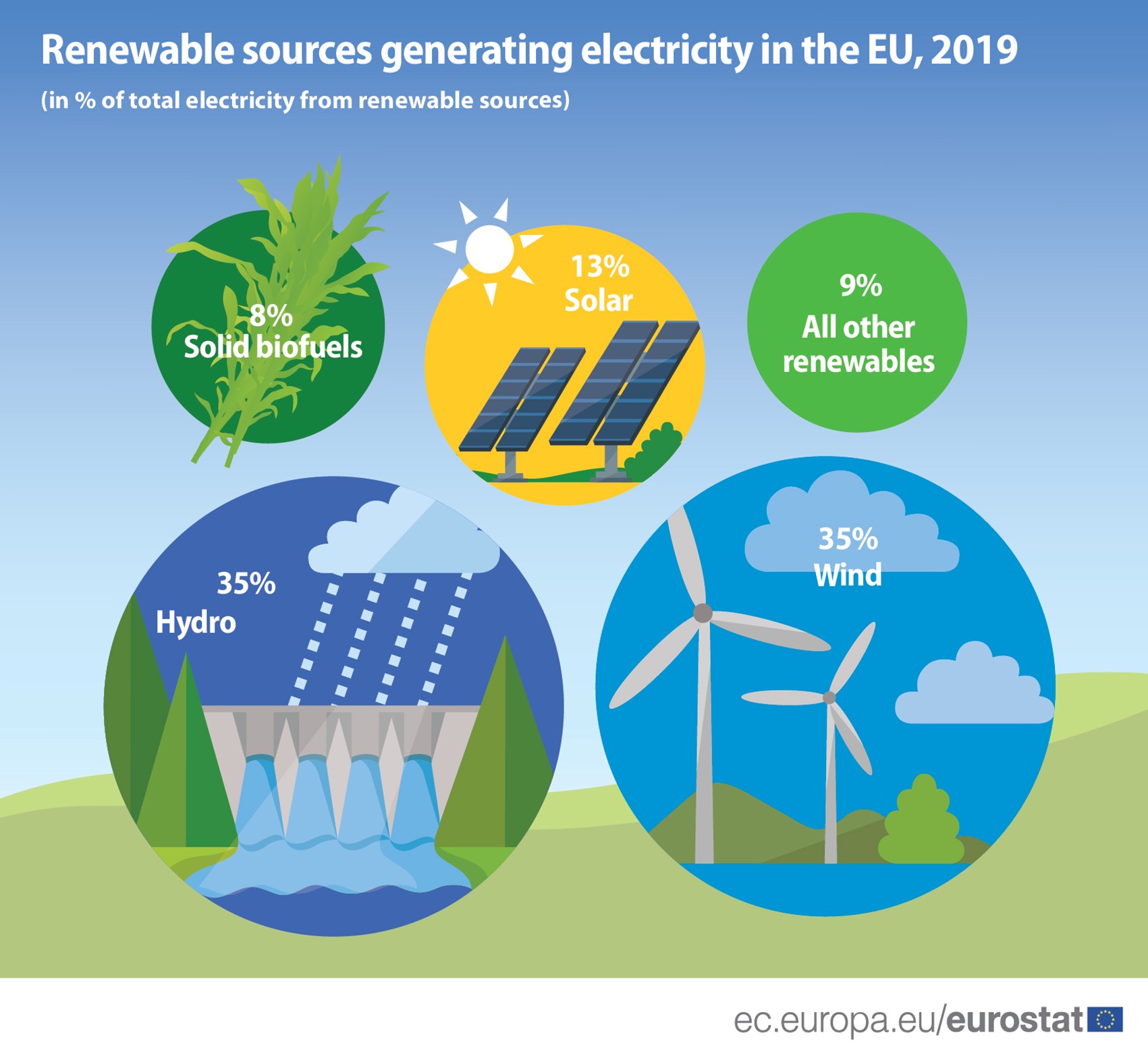
Solar power! Now we're talking! Slap some solar panels on your roof, and bam! You're harnessing the power of the sun. It's like being a plant, but instead of making oxygen, you're making electricity. It’s super eco-friendly and super cool!
Imagine this: you're charging your phone with pure sunshine. Then your neighbor is over and is jealous of your green tech.
Wind: The Breezy Benefactor
Ever seen those giant windmills gracefully spinning in the breeze? That's wind power in action! Windmills capture the kinetic energy of the wind and convert it into electricity. It's like having a giant, mechanical fan that *actually* does something useful, other than just blow your hair around.
Sometimes I think of them as graceful ballet dancers of the energy world. Some people complain about the visual impact, but honestly, I think they add a touch of quirky charm to the landscape. Think: modern art meets energy production!
Hydro: The Water Wheel Wonder
Hydroelectric power utilizes the force of moving water to spin turbines and generate electricity. Dams are the most common type. It's like a giant water slide that powers your entire town.
It is relatively clean energy. But then again, the disruption to the natural habitat can be very harsh. Everything is about the balance of giving and taking.
Less Common, But Still Cool: Niche Options
Geothermal: Earth's Internal Oven
Geothermal energy taps into the Earth's internal heat to generate electricity. Think of it as having a giant, underground oven that's always on. This hot water is piped to the surface, where it spins turbines and creates electricity. It's like having a built-in spa that also powers your lights!
It is available everywhere but it can sometimes be quite expensive to build. It requires specific geological conditions. And let's face it, drilling deep into the Earth isn't exactly a walk in the park. It is as if you are digging for treasure, but you might only find rocks and hot water.
Biomass: Turning Trash into Treasure
Biomass energy involves burning organic matter, like wood, crops, or even garbage, to generate electricity. It's like turning your trash into treasure (literally!). Imagine using your leftover pizza crusts to power your TV. Okay, it's not *quite* that simple, but you get the idea.
When managed sustainably, it can be a renewable resource. It also depends on the type of biomass being used and how efficiently it's burned. Some processes are carbon neutral, some are not. It is like baking a cake, the process of cooking can make the cake go from being okay to amazing.
The Future is Electric (and Hopefully Renewable!)
So, which method were you most familiar with? Whether you're a solar panel enthusiast, a wind turbine admirer, or simply someone who appreciates the magic of electricity, it's clear that we have options. It is important to remember how the electricity works.
The future of residential electricity generation is likely to be a mix of different sources, with a strong emphasis on renewable energy. So keep an eye on your roof, watch the wind, and embrace the electric revolution! It is an exciting time. Let's power our world in a sustainable way!
Now if you excuse me, I'm going to go contemplate the energy potential of my compost pile. Who knows, maybe I'll be powering my whole house with banana peels someday!