/GettyImages-139821357-82a2f5a1a16f4d76aea74236de88158b.jpg)
Alright, gather 'round, friends! Let me tell you a tale – a tale of fire, molten goo, and the unsung hero of, well, pretty much everything around you. We're talking about metal casting! And more specifically, which metal gets the MVP award for being the most frequently melted down and poured into molds.
Now, before you start picturing dwarves hammering away in a mountain forge (though that's a fantastic image!), let's get real. Metal casting is everywhere. Think about your car's engine, that sturdy manhole cover you try to avoid stepping on (because, you know, superstitions!), even some of your fanciest cookware. All thanks to the magic of pouring hot metal into shaped cavities.
So, the burning question (pun intended!): which metal is the champion of casting? Drumroll, please…
The Iron Throne (of Casting) Belongs To… Gray Iron!
Yep, it's gray iron. Not exactly the sexiest name, is it? Sounds like a washed-out superhero. But don’t let the dull moniker fool you. Gray iron is the workhorse of the metal casting world, consistently outperforming its flashier cousins like aluminum and steel.
Why? Several reasons, my friends. Let’s break it down like a particularly stubborn casting mold:
1. It’s Cheaper Than Therapy (Almost): Gray iron is generally more affordable than many other casting metals. Think of it as the sensible choice for manufacturers who don't want to break the bank. They'd rather spend their money on better marketing – like hiring a guy to dress up as a giant iron ingot.
2. Machinability, Baby! This basically means it's easier to cut, drill, and shape. Imagine trying to sculpt a statue out of solid granite versus a block of soft wood. Gray iron is more like the wood in this analogy. Less wear and tear on the cutting tools, less time wasted, and fewer frustrated machinists throwing wrenches across the workshop. Happy machinists make for happy castings!
3. Vibration Dampening: Gray iron is like the yoga instructor of the metal world. It absorbs vibrations like a champ! This makes it perfect for things like engine blocks and machine tool bases, where you want to minimize noise and keep things running smoothly. A vibrating engine block is like a shaky chihuahua – nobody wants that!
4. Wear Resistance: This metal can handle some serious friction without crying uncle. Think brake rotors! They endure intense heat and pressure every time you slam on the brakes (hopefully not too often!). Gray iron stands up to the abuse and keeps you from ending up as a hood ornament on the car in front of you. Unless, you know, your brakes fail. Don't blame the iron in that case, get your car serviced!
5. The "Gray" Secret: The 'gray' in gray iron comes from the graphite flakes that are distributed throughout the iron. These flakes act like tiny shock absorbers and also contribute to its excellent machinability. It's like having a secret ingredient that makes everything better. Like adding a pinch of salt to chocolate chip cookies… or a dash of espresso to chili.
But Wait, There’s More! (Because Every Good Story Needs a Twist)
Now, before you go painting your entire house gray and declaring it "iron-clad," it's important to acknowledge that gray iron isn't perfect. It's not as strong as some other metals, particularly in terms of tensile strength. So, you wouldn't want to build a skyscraper out of it. Unless, of course, you're going for a slightly "leaning" aesthetic. Then, maybe consider it.
Also, it can be brittle, meaning it can crack under sudden impact. Imagine dropping a cast iron skillet (because, let’s face it, we’ve all done it). It might survive, but it also might shatter into a million pieces. That’s why you probably won’t see gray iron used in, say, airplane wings.
The Takeaway: Gray Iron – The Unsung Hero
So, there you have it. Gray iron: the unassuming, affordable, and incredibly useful metal that makes the modern world go 'round. It may not be the flashiest metal on the block, but it's definitely the most frequently used in the casting process, and deserves our respect. Next time you see a manhole cover, remember the humble gray iron that made it possible.
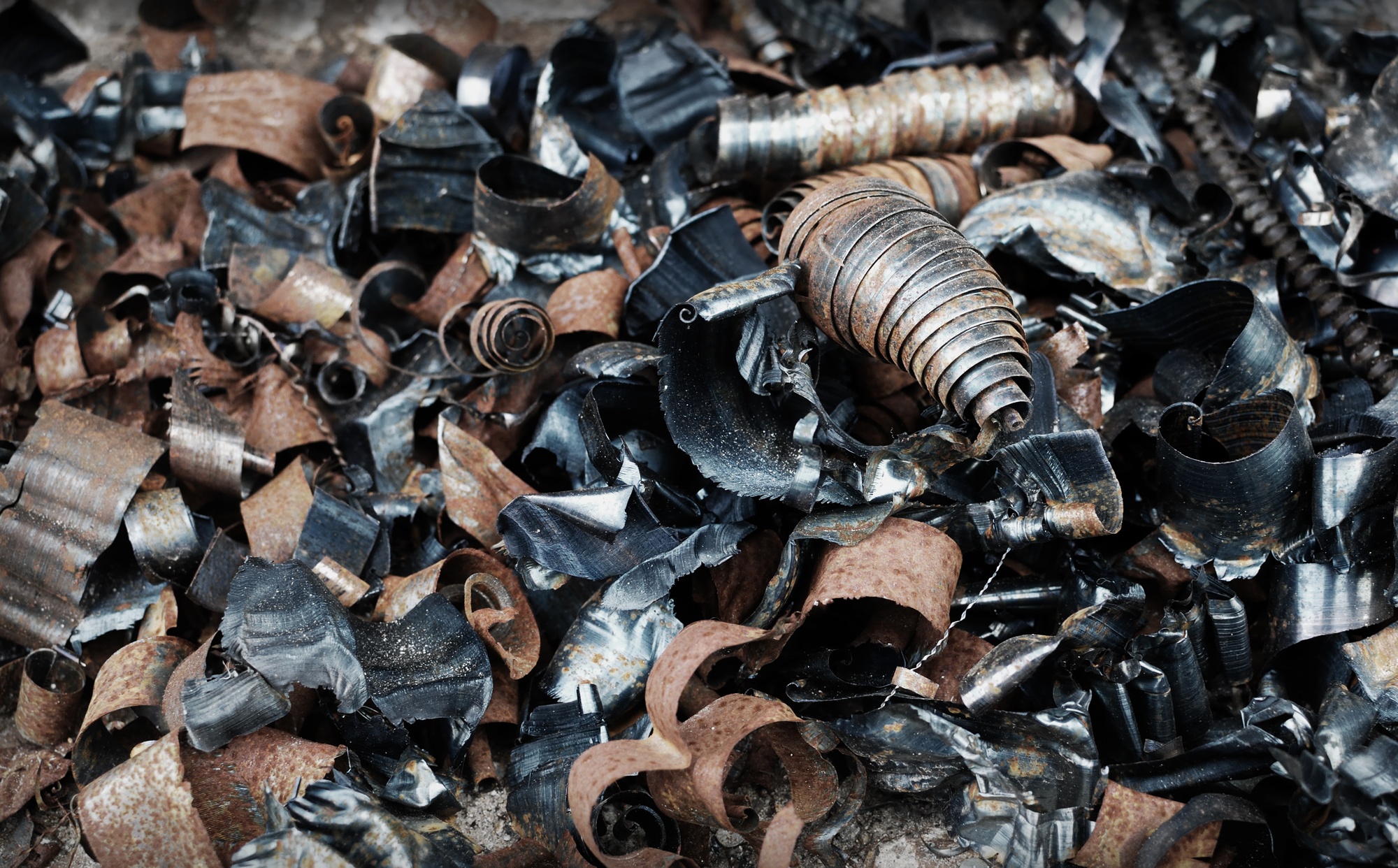
And remember, if you're ever asked which metal rules the casting roost, you can confidently say, "It's gray iron, baby! And I learned it from a super-entertaining article at a virtual café." You're welcome! Now, if you'll excuse me, I'm off to cast a… well, probably just some iron shavings into the trash. But hey, even small acts contribute to the grand narrative of metal casting!