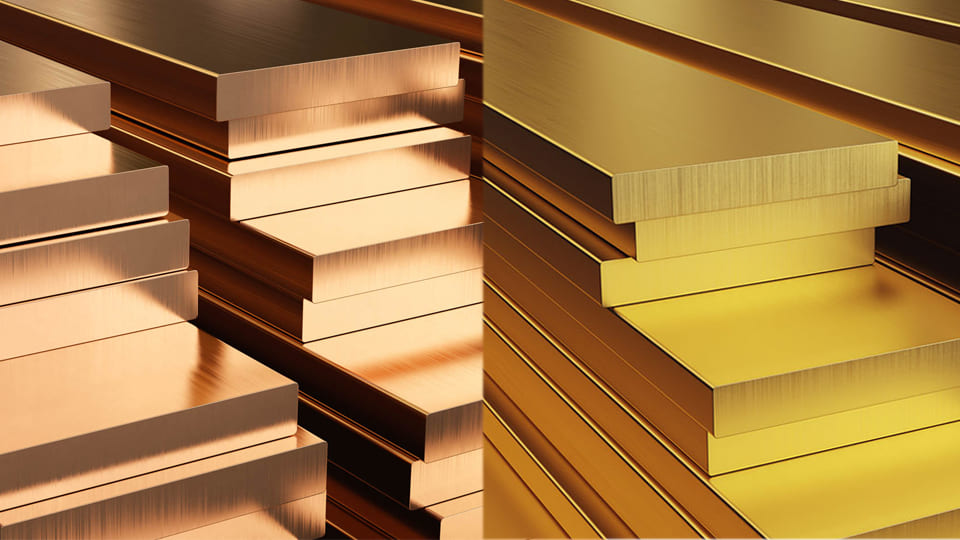
Ever wondered why some shiny gold-colored things seem tougher than others? Chances are, you're looking at brass or bronze, two amazing metal alloys. Figuring out which one is "stronger" is a question that pops up a lot, and it's a fun little dive into the world of materials science. Plus, understanding the difference can be surprisingly useful, whether you're a beginner just getting curious, a family doing a DIY project, or a seasoned hobbyist.
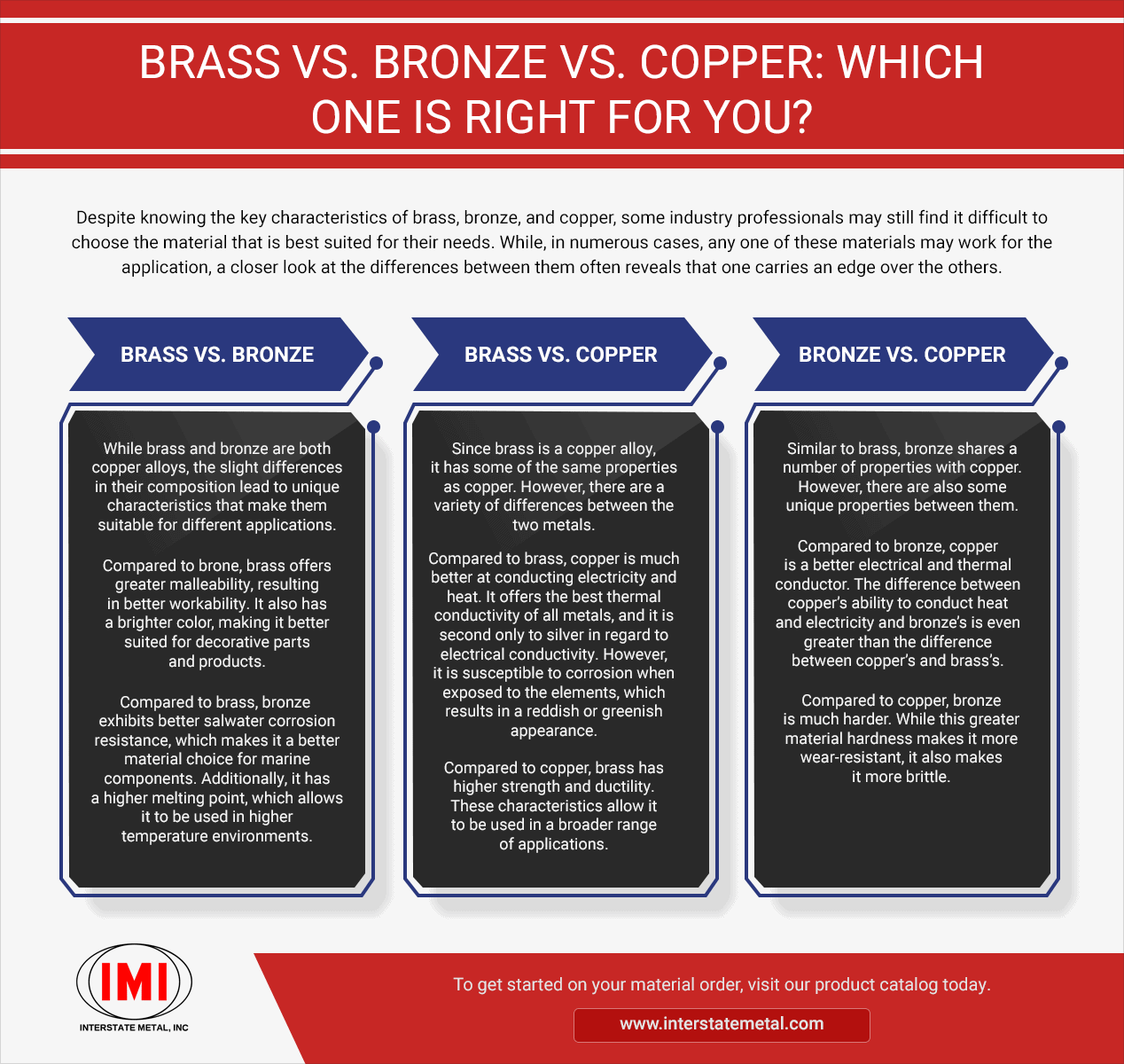
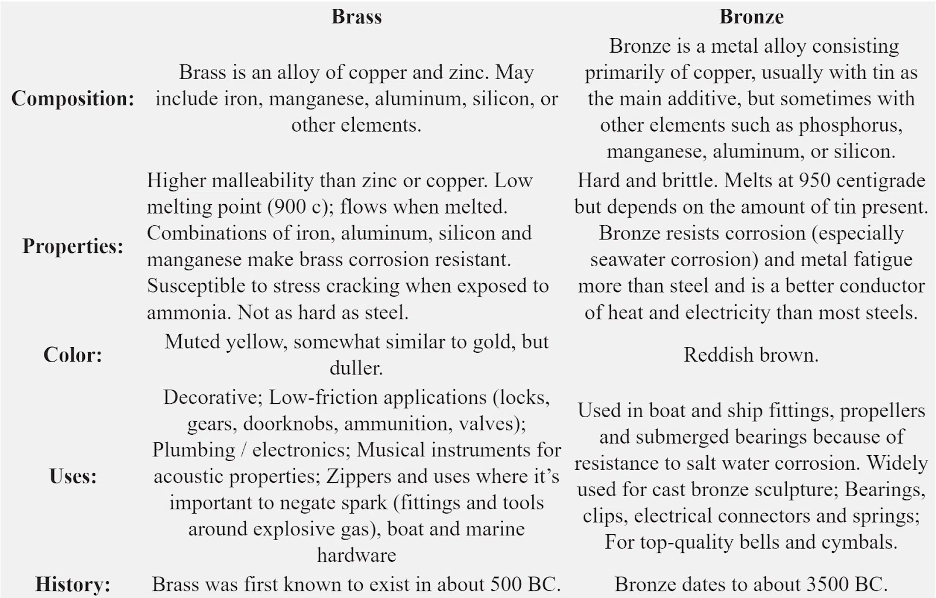
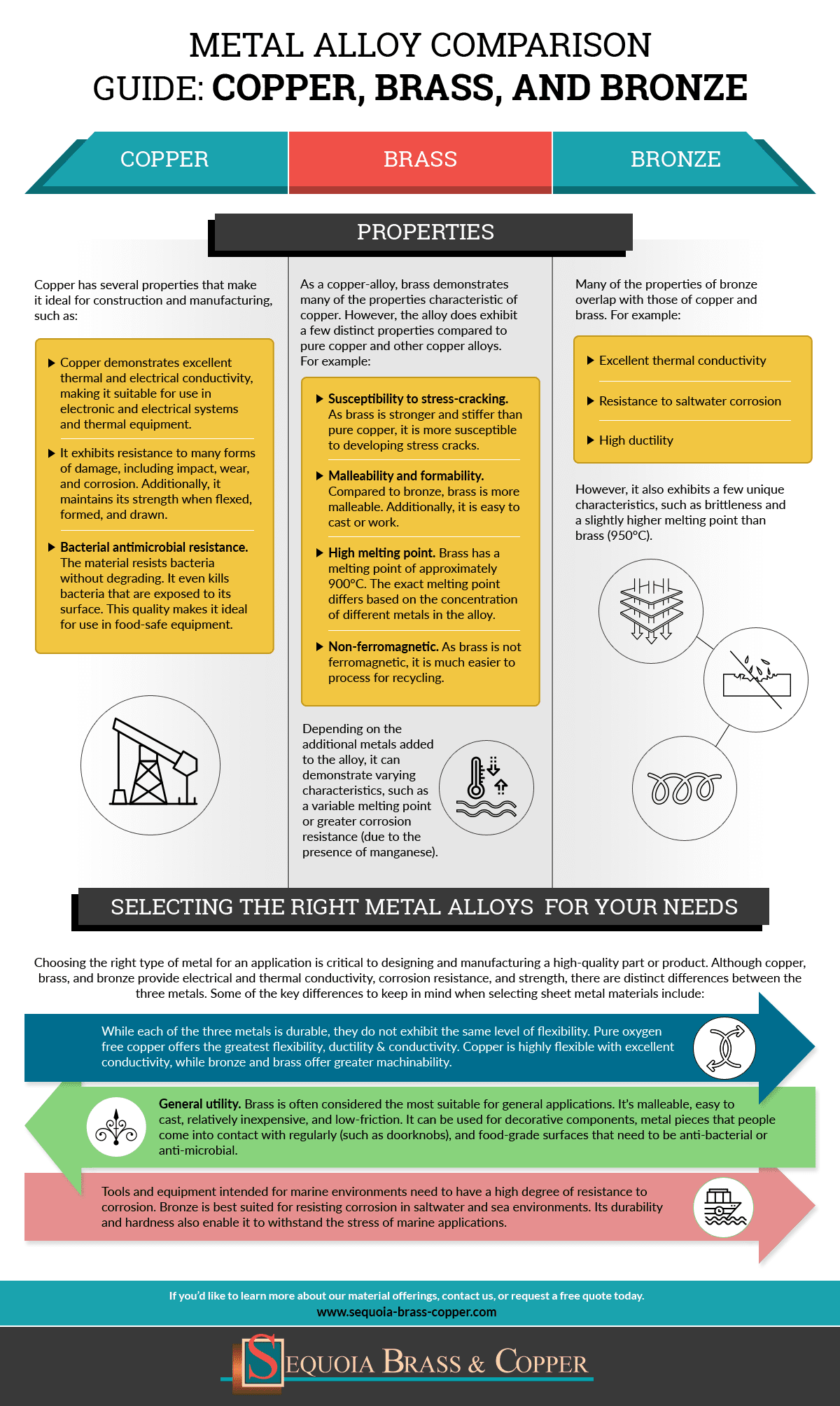
So, which reigns supreme in the strength department? The short answer is: it depends! Both brass and bronze are stronger than their base metals (copper and zinc, or copper and tin, respectively), but their specific properties vary based on their exact composition. Think of it like comparing apples and oranges – both are fruits, but have different textures and flavors.
For beginners, the key takeaway is understanding that "strength" has several facets. It can mean tensile strength (how much it can stretch before breaking), yield strength (how much it can bend before permanently deforming), or hardness (resistance to scratching and denting). Generally, bronze tends to have higher tensile and yield strength than standard brasses. This means bronze can withstand more pulling and bending forces without breaking or losing its shape.
For families tackling home projects, this matters! If you're building something that needs to bear weight or withstand stress – like a sturdy gate hinge (often bronze) or a decorative door handle (often brass) – choosing the right metal can make all the difference. Brass is often preferred for its aesthetic appeal and machinability; it's easier to work with and polishes to a beautiful shine. However, for load-bearing applications, bronze generally holds up better. Consider things like brass screws for picture frames (decorative, low stress) versus bronze bolts for outdoor furniture (functional, higher stress).
Hobbyists, especially those involved in metalworking, will appreciate the nuances even more. Different formulations of brass and bronze have vastly different properties. For example, naval brass, a type of brass with added tin, is much more corrosion-resistant than standard brass. Similarly, aluminum bronze is incredibly strong and resistant to wear, making it ideal for demanding applications like gears and bearings.
Examples abound! Think of musical instruments. Brass instruments, like trumpets and trombones, benefit from brass's acoustic properties and relative ease of forming. In contrast, bronze is often used in ship propellers due to its strength and resistance to saltwater corrosion. You might also see bronze bushings in engines, providing a durable, low-friction surface.
Simple tips for getting started:
- Read the label! When purchasing metal parts, look for information about the specific alloy used.
- Consider the application! What kind of stress will the metal be under? How important is corrosion resistance?
- Do some research! A quick online search for "brass vs. bronze strength" can provide more specific information based on the alloy in question.
- Don't be afraid to experiment! Try working with both metals to get a feel for their properties.
Ultimately, choosing between brass and bronze isn't about finding a single "winner." It's about understanding their individual strengths and weaknesses and selecting the right material for the job. Delving into the world of metal alloys can be surprisingly rewarding, opening up a whole new level of appreciation for the materials that shape our world.