Hey there, fellow earthlings! Ever wonder how we power our homes, cars, and basically, well, everything? A big part of the answer lies buried deep beneath our feet – in the form of fossil fuels. But have you ever stopped to think about *how* these fuels came to be in the first place? It's a story millions of years in the making, a true epic of nature!
Let's dive into the leading theory for the formation of fossil fuels. Get ready for a trip back in time – way, way back.
The "Burial Under Pressure" Hypothesis
The most widely accepted explanation for the origin of fossil fuels – primarily coal, oil, and natural gas – revolves around the slow, transformative power of time, pressure, and heat acting on ancient organic matter. Think of it as nature's ultimate slow cooker!
Here's the gist:
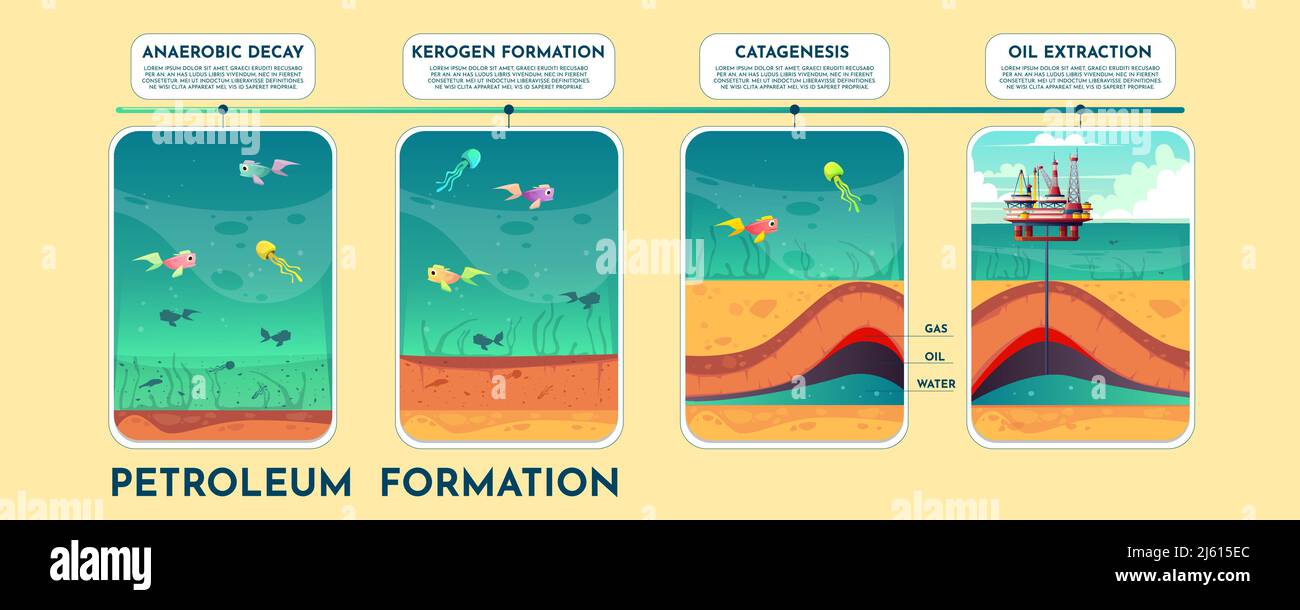
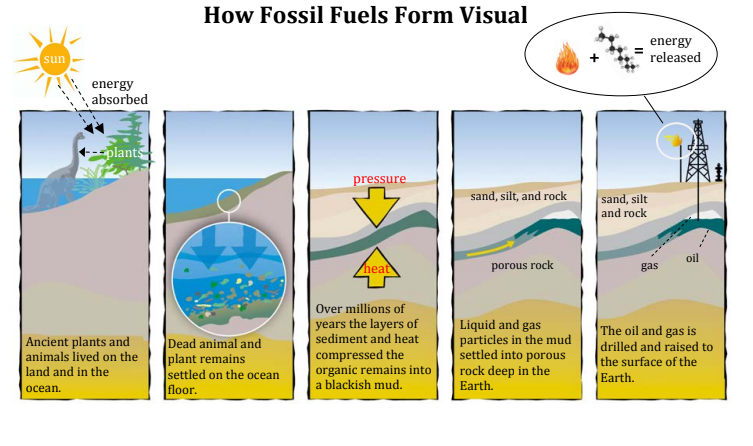
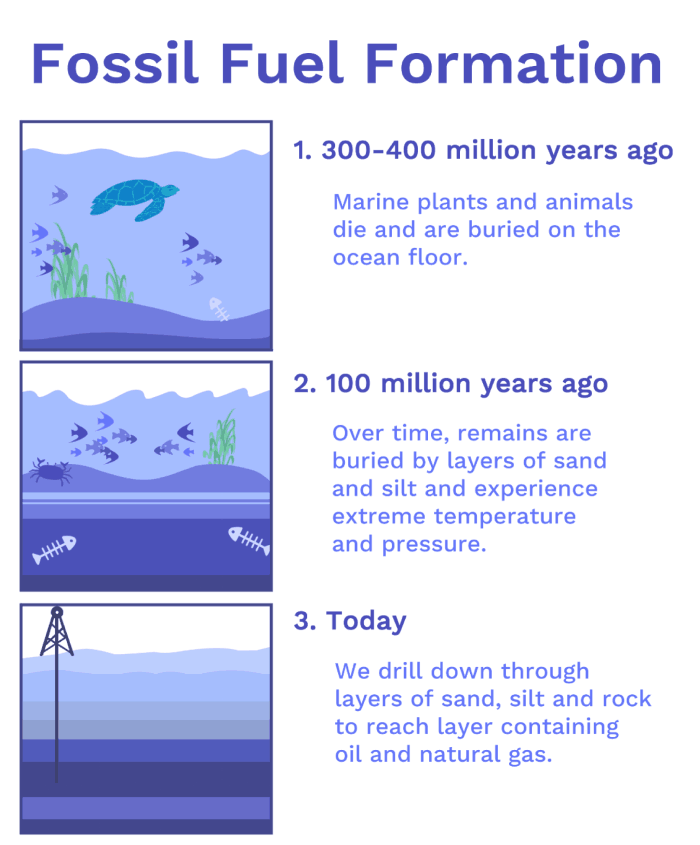
- Step 1: Abundant Life & Death: Millions of years ago, the Earth was teeming with life, especially in shallow seas and swampy areas. Microscopic plants and animals, algae, plankton, and even larger organisms like ferns and trees, lived, thrived, and eventually… died. Think Jurassic Park, but with a lot more swamp muck.
- Step 2: The Sediment Sandwich: After these organisms died, their remains accumulated on the seafloor or in swampy sediments. Over time, layers upon layers of sediment – sand, silt, mud – piled on top, like a giant, geological sandwich.
- Step 3: Pressure Cooker Time: As the layers deepened, the weight of the overlying sediment created immense pressure. This pressure, combined with the Earth's internal heat, began to transform the organic matter.
- Step 4: Transformation: The specific type of fossil fuel that formed depended on several factors, including the type of organic matter, the temperature, and the pressure.
- Coal: Primarily formed from plant matter in swampy environments. The pressure and heat transformed the plant material into peat, then lignite, then bituminous coal, and finally, anthracite – the highest grade of coal.
- Oil & Natural Gas: Mostly derived from marine organisms like plankton and algae. The heat and pressure converted their remains into a waxy substance called kerogen, which then further transformed into oil and natural gas.
- Step 5: Migration & Trapping: Once formed, oil and natural gas, being lighter than water, tend to migrate upwards through porous rocks. However, if they encounter a layer of impermeable rock, like shale, they can become trapped, forming underground reservoirs. These reservoirs are what we drill into today.
Fun Fact: Did you know that most of the coal we use today comes from plants that lived during the Carboniferous period, roughly 300 to 360 million years ago? Talk about a long-term investment!
Tip: Think of it like making diamonds. You need immense pressure and heat to transform carbon into a diamond. Fossil fuel formation is similar, just on a much grander scale and with organic matter instead of pure carbon.
Alternative Theories & Considerations
While the "burial under pressure" theory is the leading explanation, there are alternative hypotheses. For instance, some scientists propose that certain types of bacteria may have played a more significant role in the early stages of fossil fuel formation. These bacteria could have helped break down the organic matter, making it more easily transformable under pressure and heat.
Important Note: The formation of fossil fuels is an incredibly slow process, taking millions of years. This is why they are considered non-renewable resources. We're using them up much faster than they can be naturally replenished.
Why Does This Matter To You?
Understanding how fossil fuels formed helps us appreciate the complex and interconnected nature of our planet. It also highlights the importance of finding sustainable energy sources. Because let's face it, we can't keep relying on a process that takes millions of years when our energy needs are immediate and growing.
Next time you flip a light switch or drive your car, take a moment to consider the ancient sunlight and organic matter that are powering your life. It's a humbling thought, isn't it? And hopefully, it inspires you to think about ways you can reduce your reliance on fossil fuels and contribute to a more sustainable future.
Food for Thought: From turning off lights to supporting renewable energy initiatives, every little bit helps. Let's work together to create a brighter, greener future for ourselves and generations to come!