Have you ever wondered what makes that bright, clear display case so… well, clear? Or perhaps admired the sleek, colorful shield protecting a motorcycle headlight? Chances are, you've encountered acrylic plastic! Figuring out what makes acrylic unique is surprisingly fun and incredibly useful. It's everywhere, and knowing its identifying characteristic can help you understand why it's chosen for so many different applications.
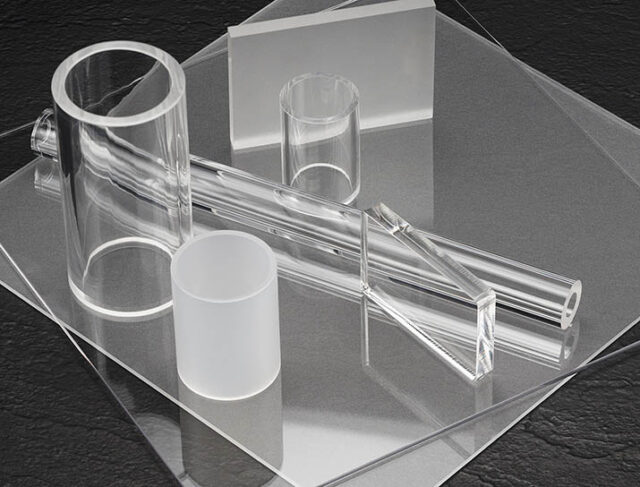
So, what is the key identifying characteristic of acrylic plastics? It's their exceptional clarity. Unlike many other plastics that are cloudy, opaque, or have a yellow tint, acrylic is incredibly transparent, almost like glass. This remarkable transparency is due to its chemical structure, which allows light to pass through with minimal distortion. This clarity makes it perfect for applications where visibility is crucial.
Why is this useful? For beginners, simply knowing this can help you identify acrylic items around your house. Think about picture frames, some decorative boxes, or even certain types of food containers. Being able to recognize acrylic empowers you to understand the materials around you. Families might appreciate this knowledge when choosing safe and durable materials for children's toys or safety shields. Acrylic is shatter-resistant, making it a safer alternative to glass in many situations. Hobbyists, from model makers to DIY enthusiasts, rely on acrylic's clarity and workability for countless projects. They might use it for creating custom display cases, building parts for robots, or crafting unique pieces of art.
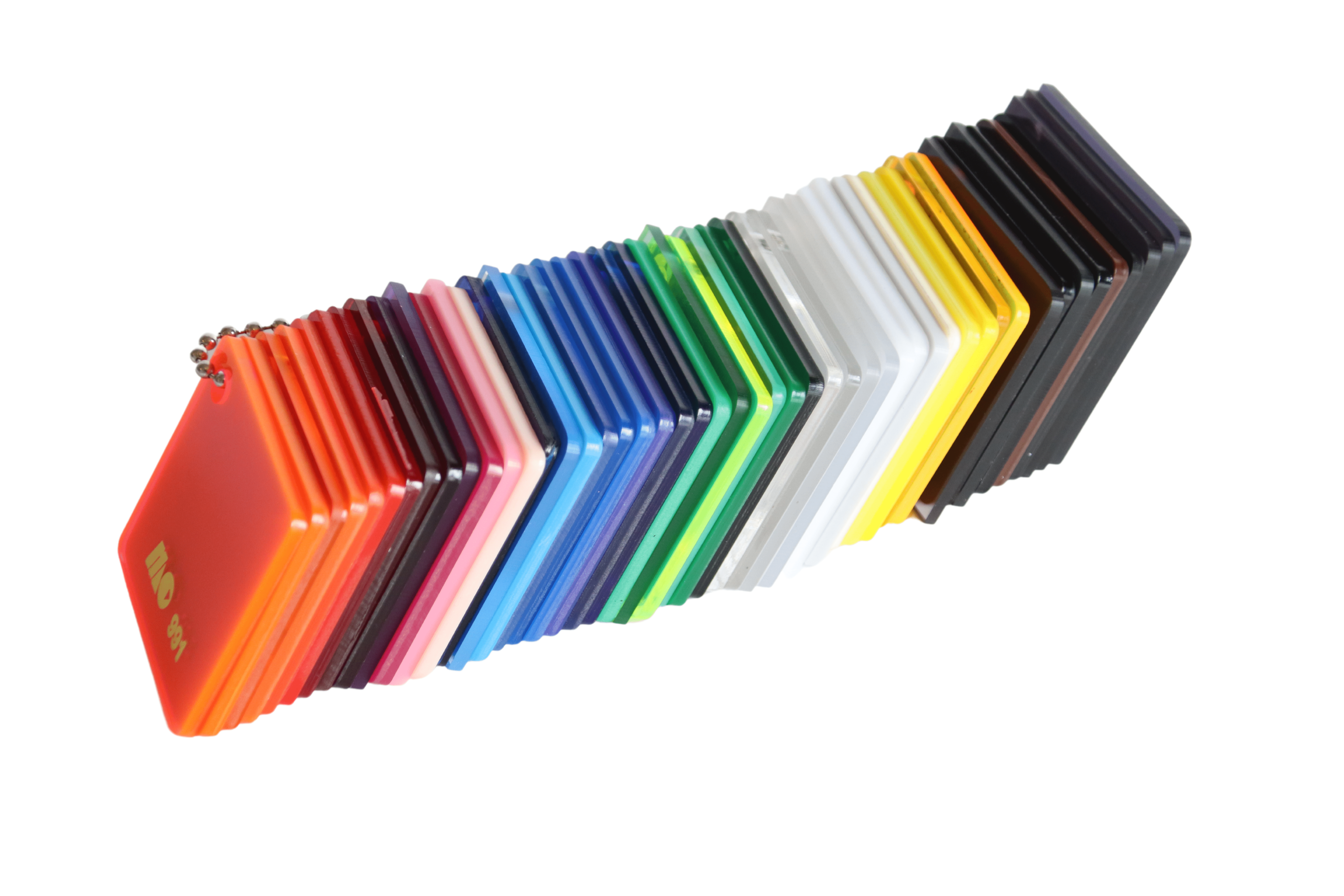
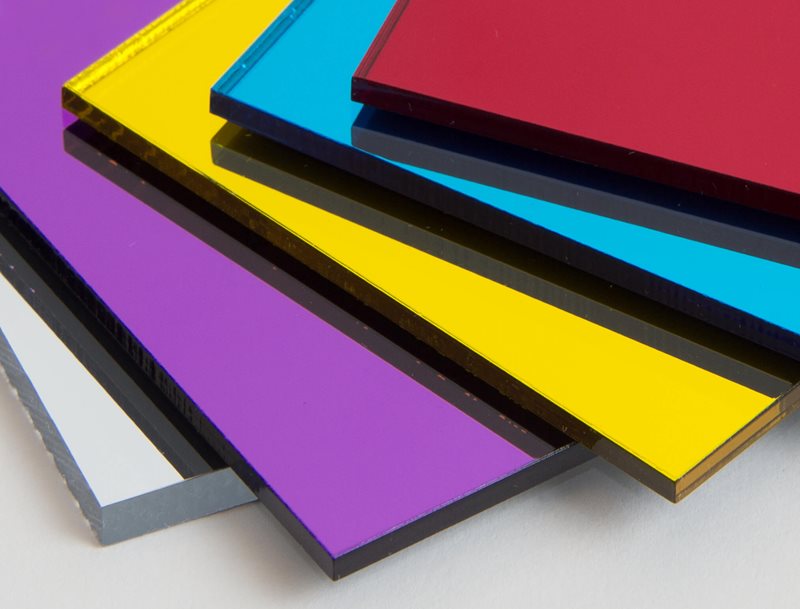
Examples and Variations: The most common type of acrylic is polymethyl methacrylate (PMMA), often sold under brand names like Plexiglas or Lucite. While clarity is its defining characteristic, acrylic can also be modified to achieve different effects. It can be tinted in a wide range of colors while still maintaining its transparency, making it ideal for signage and displays. It can also be formulated to be more impact-resistant, UV-resistant (preventing yellowing in sunlight), or even heat-resistant.
Getting Started: Want to see acrylic clarity in action? A simple experiment involves comparing a piece of acrylic (you can often find small sheets at craft stores or hardware stores) with a piece of regular plastic. Hold both up to a light source and observe how clearly you can see through each. You'll immediately notice the superior transparency of the acrylic. Another easy way to identify it is by tapping it. Acrylic generally produces a higher-pitched, clearer sound than other plastics.
Understanding the defining characteristic of acrylic plastics – their exceptional clarity – opens up a whole new appreciation for this versatile material. Whether you're a curious beginner, a safety-conscious parent, or a creative hobbyist, recognizing acrylic empowers you to make informed choices and appreciate the world around you. So, take a look around and see how many acrylic items you can spot! It's a fun way to connect with the materials that shape our everyday lives.