Ever ordered something online and thought, "Wow, that was fast AND cheap!"? Or maybe you've called customer service and noticed a slightly different accent on the other end of the line? Chances are, you've bumped into offshoring without even realizing it.
So, what exactly *is* offshoring? Think of it like this: imagine your favorite bakery. They used to bake all their bread right in the back. Now, they've opened a second, bigger kitchen… in another country! They still make delicious bread, but they're doing it from somewhere else. That's offshoring in a nutshell.
What Exactly Qualifies as Offshoring?
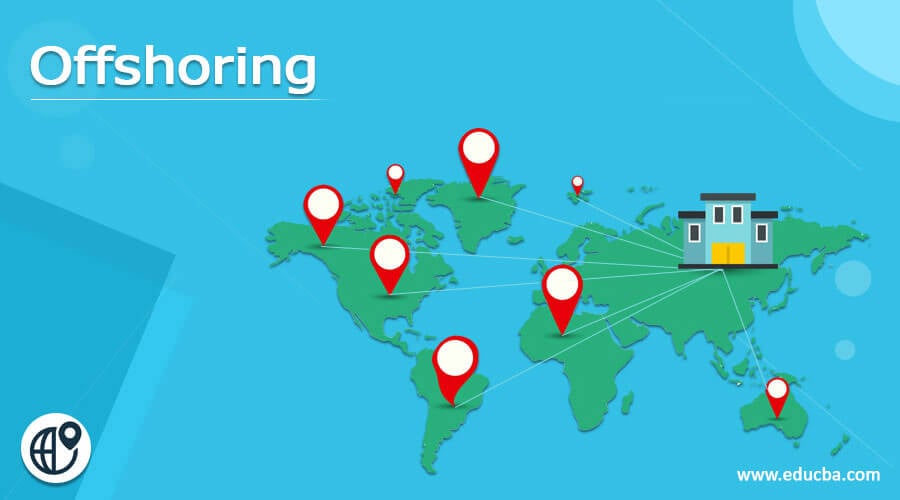
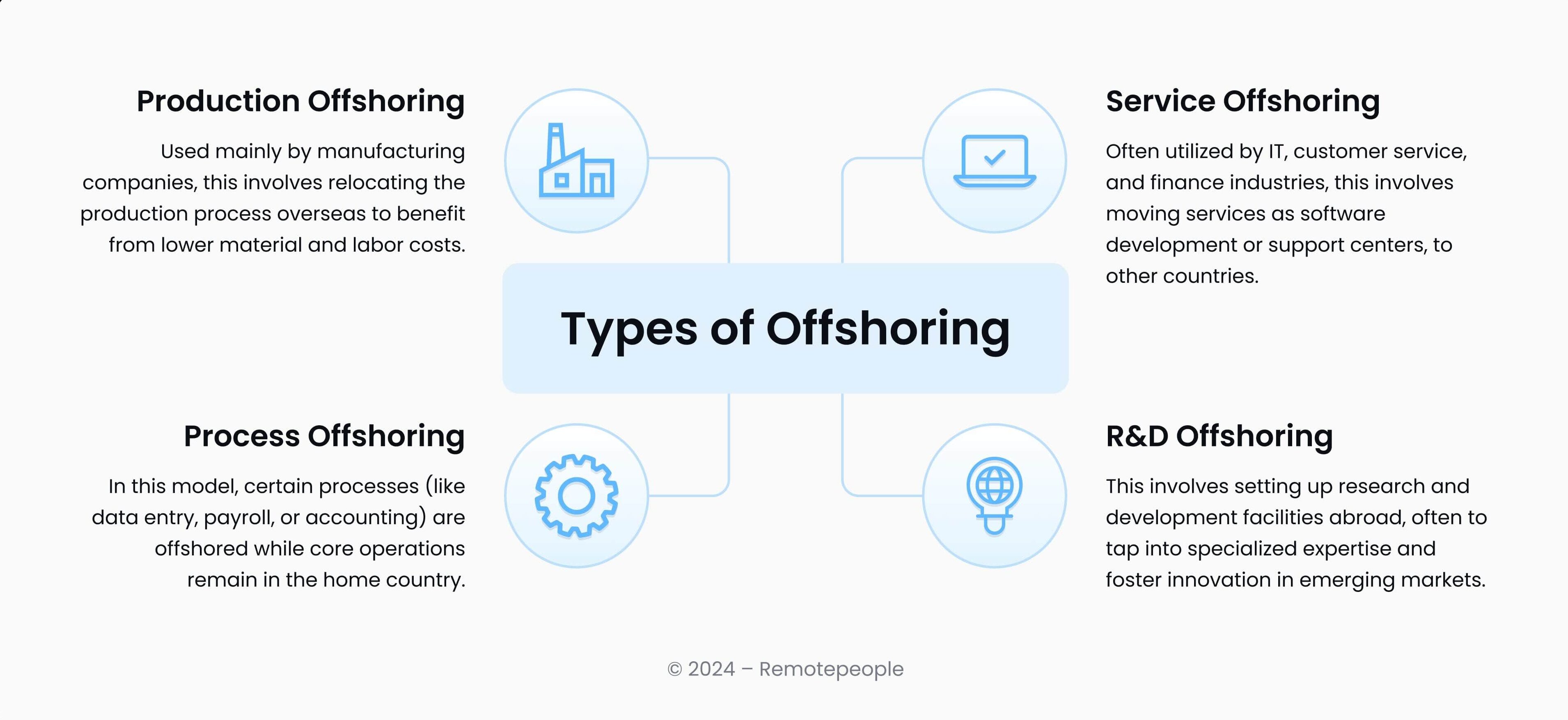
To get a bit more technical, offshoring is when a company moves a part of its business operations – like manufacturing, customer service, or even software development – to another country. It's not just about selling products overseas (that's exporting!). It's about *doing* the work in a different nation.
Here are a few examples that might ring a bell:
- Customer Support Centers: That friendly voice helping you troubleshoot your internet problems? They might be located in India, the Philippines, or any number of countries with skilled workers.
- Clothing Manufacturing: Many of your favorite clothing brands have factories in countries like Vietnam, Bangladesh, or China where labor costs can be lower. Think of that tag that says "Made in [Country Name]" – that's a clue!
- Software Development: Building apps and websites requires talented programmers. Companies often hire teams located in Eastern Europe, Latin America, or Asia to handle coding and development tasks.
- Data Entry and Processing: All that information that needs to be typed into computers? A lot of it is outsourced to countries where workers can do it efficiently and accurately.
See? It's all around us!
Why Should You Even Care About Offshoring?
Okay, so companies move stuff overseas. Big deal, right? Actually, it can affect you in some pretty interesting ways.
First, think about prices. Offshoring can help keep costs down for businesses, which sometimes translates into lower prices for you as a consumer. That new gadget you wanted? It might be more affordable thanks to offshoring.
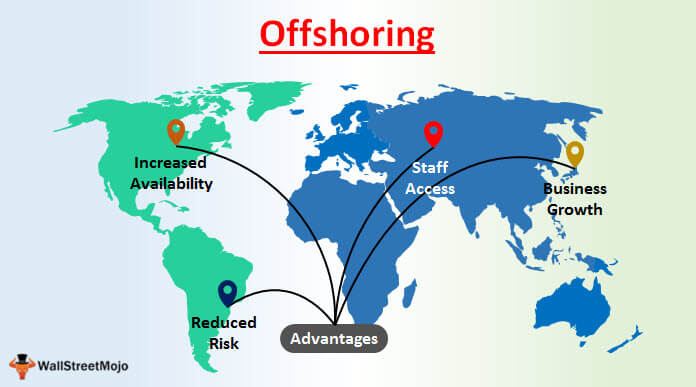
Then there's innovation. Sometimes, companies can tap into a global pool of talent that they might not have access to at home. This can lead to new ideas, better products, and faster development cycles. Who knows, that next groundbreaking invention might come from a team working halfway across the world!
However, it's not *all* sunshine and rainbows. Offshoring can also have an impact on jobs in your own country. If a company moves jobs overseas, it can lead to job losses at home. This is why offshoring is often a topic of debate and discussion.
Offshoring vs. Outsourcing: They're Not Twins!
Now, let's clear up a common confusion. People often mix up offshoring with outsourcing. While they're related, they're not the same thing.
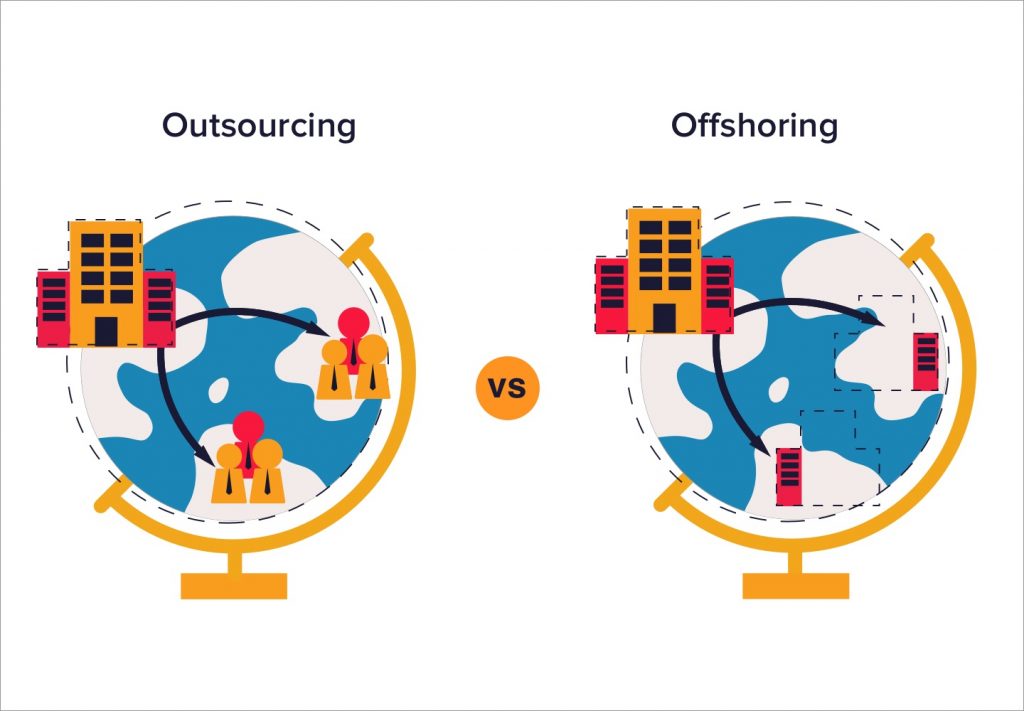
Imagine our bakery again. If they hire a *different* bakery, even one located down the street, to bake their specialty cakes, that's outsourcing. They're giving the task to an external company. But if they open their own bakery in another country, *that's* offshoring.
So, the key difference is who's doing the work. Offshoring involves a company doing the work themselves, but in a different country. Outsourcing means hiring another company to do the work, regardless of where they're located.
Offshoring in Our Daily Lives: A Few Fun Examples
Let's make this even more relatable. Think about:
- Your Phone's Apps: The apps you use every day were likely developed by teams scattered around the globe.
- Online Games: Those massive online games you love to play? They're maintained and updated by developers working in different countries.
- Your Favorite Music: Even the music industry uses offshoring for tasks like audio editing and mastering.
So, the next time you're enjoying the convenience of online shopping, chatting with customer service, or using your favorite app, take a moment to appreciate the global network that makes it all possible. You've just encountered offshoring in action!
Ultimately, understanding offshoring helps us become more informed consumers and citizens. It's about recognizing the interconnectedness of the global economy and appreciating the complex factors that shape the products and services we use every day.
It’s a big world out there, and offshoring is one way we’re all a little closer than we think.