Ever feel good about grabbing a bite knowing your choices support a greener planet? That feeling often stems from restaurants embracing renewable resources. It’s not just a trend; it's a crucial step towards a sustainable future. Think about it: our everyday choices, like where we eat, can directly impact the environment. Understanding which restaurants are truly committed and how they use renewable energy is empowering, and frankly, pretty cool!
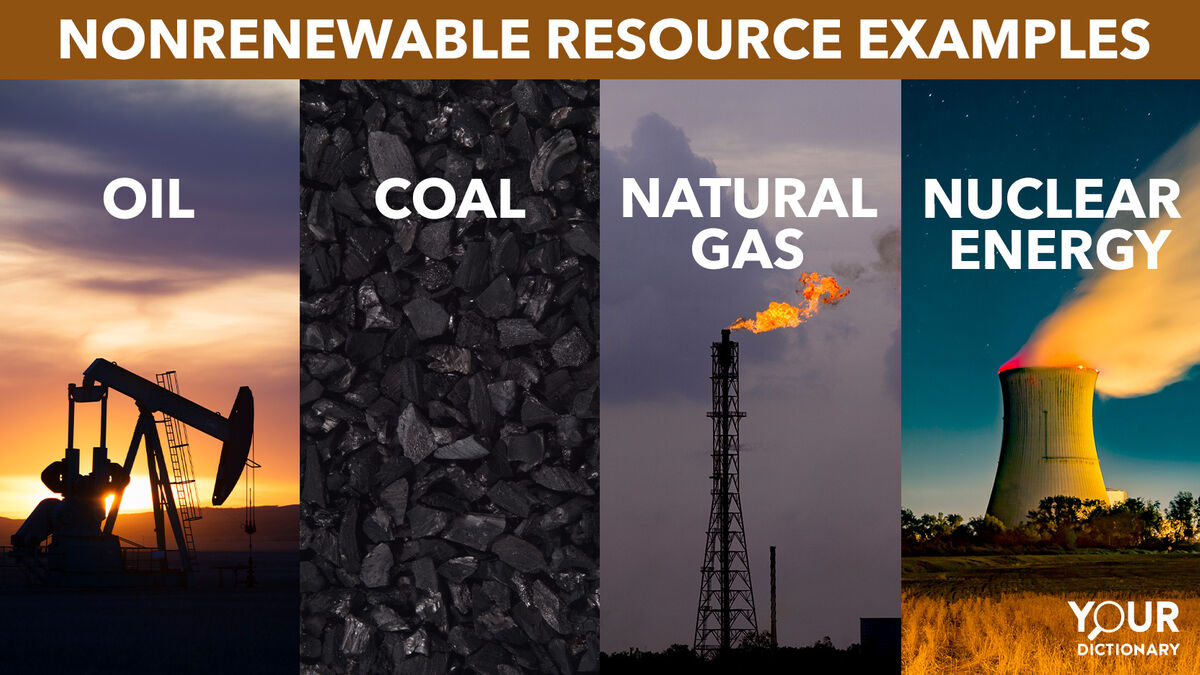
So, what are we talking about exactly? When we say "renewable resources," we mean energy sources that replenish themselves naturally over a relatively short period. Unlike fossil fuels (like coal and oil) which take millions of years to form, renewables are constantly being renewed. This makes them a far more sustainable option for powering our lives and, yes, even our favorite eateries.
Why bother? The benefits of using renewable resources are immense. Primarily, they drastically reduce our reliance on fossil fuels, which are a major contributor to climate change. Burning fossil fuels releases harmful greenhouse gasses into the atmosphere, leading to global warming, rising sea levels, and extreme weather events. Renewable energy, on the other hand, produces little to no emissions during operation. It also helps create cleaner air and water, improving public health. Beyond the environmental advantages, embracing renewable resources can also boost local economies, create jobs in the green sector, and enhance energy independence.
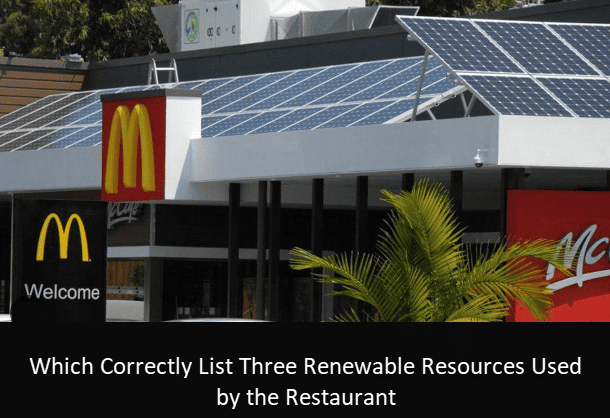
Let's think about how this translates to the restaurant scene. You might see a restaurant claiming to be "eco-friendly" and proudly stating, "Which correctly lists three renewable resources used by the restaurant..." followed by a list of options. What should you be looking for? Here are some common examples:
- Solar power: Many restaurants are installing solar panels on their roofs to generate electricity. This can power their lights, refrigerators, and even cooking equipment.
- Wind energy: While less common for individual restaurants, some establishments might purchase their electricity from wind farms.
- Geothermal energy: This utilizes the Earth's internal heat to provide heating and cooling. It's more prevalent in areas with geothermal activity, but could be used for underfloor heating and other applications.
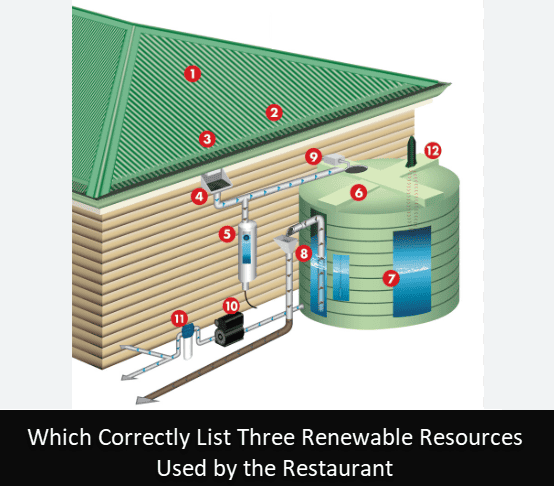
But it goes beyond just energy sources. Consider water conservation efforts (a type of renewable resource management), like using low-flow faucets and toilets, or rainwater harvesting for irrigation. Some restaurants even focus on locally sourced, seasonal ingredients, reducing transportation emissions and supporting local farmers who may employ sustainable agricultural practices.
How can you explore this further? Next time you’re choosing a restaurant, look for certifications like LEED (Leadership in Energy and Environmental Design) or check their website for information on their sustainability practices. Ask your server about their efforts! Don't be afraid to inquire about the source of their energy, their water conservation methods, and their sourcing practices. Even small conversations can raise awareness and encourage more businesses to adopt greener practices. You could even try a simple home experiment: research solar power kits for charging your phone or other small devices. Every little bit helps in understanding and embracing the power of renewable resources!