Ever wondered what makes your phone so sleek or your watch so durable? Chances are, titanium is playing a starring role. But where does this wonder metal, known for its strength and lightness, actually come from?
Titanium's Natural Habitat: Not a Solo Act
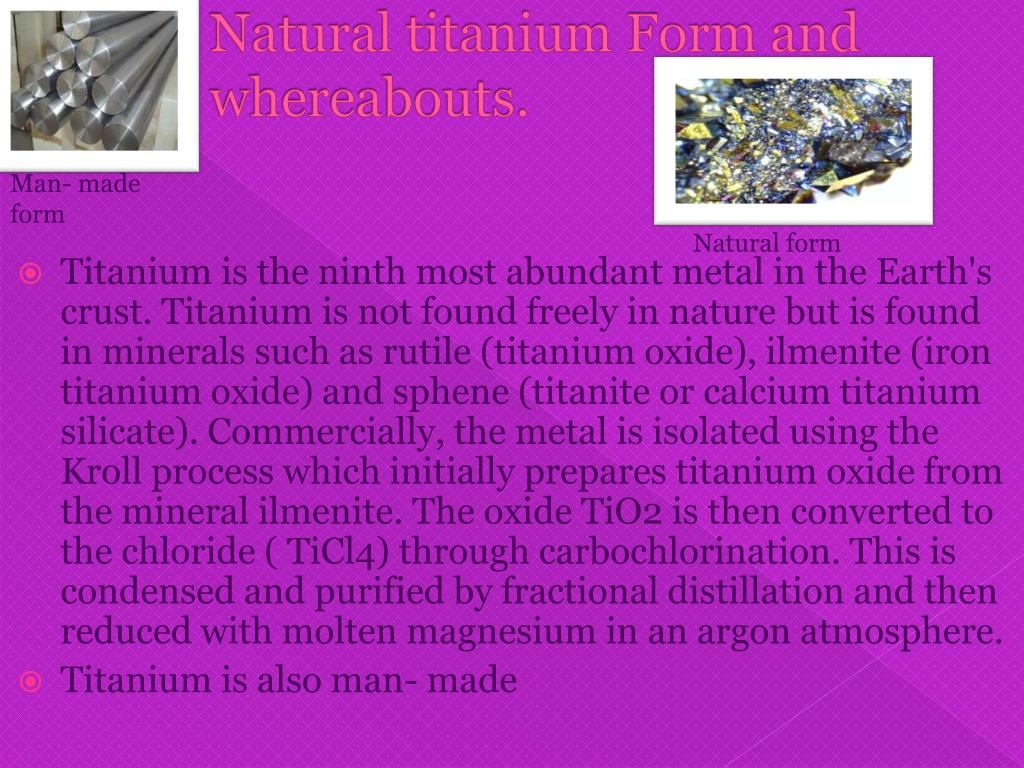
Unlike gold or silver, you won't find titanium chilling in nugget form, waiting to be discovered. It's a bit of a social butterfly, preferring to hang out with other elements in various minerals. Think of it as the ultimate team player in the world of geology.
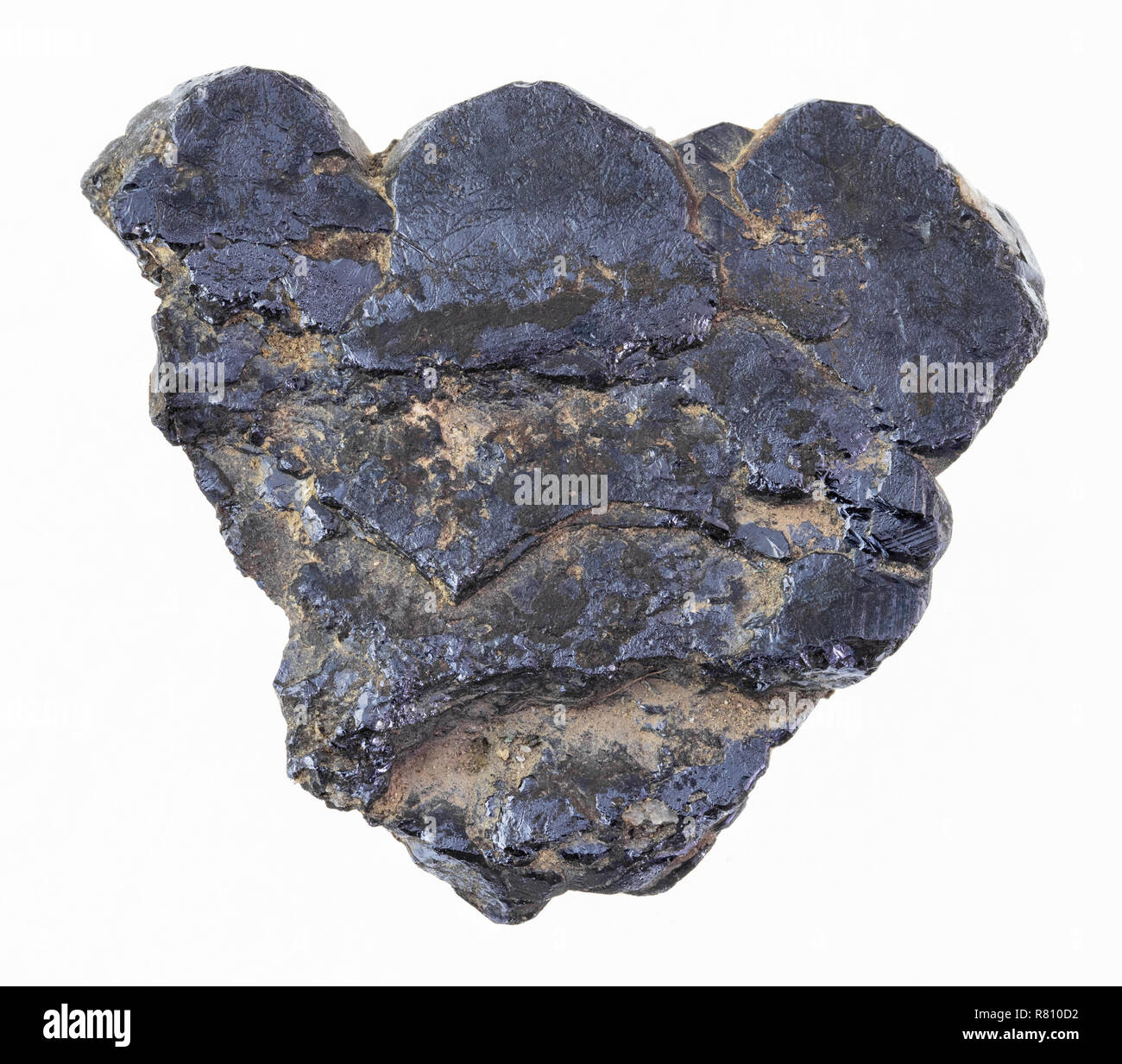
The two most important titanium-bearing minerals are ilmenite (FeTiO3) and rutile (TiO2). Ilmenite is a heavyweight, literally and figuratively, being the more abundant of the two. Rutile, on the other hand, is the purer form of titanium dioxide, making it highly sought after.
Beaches, Mountains, and Beyond: The Hunt for Titanium
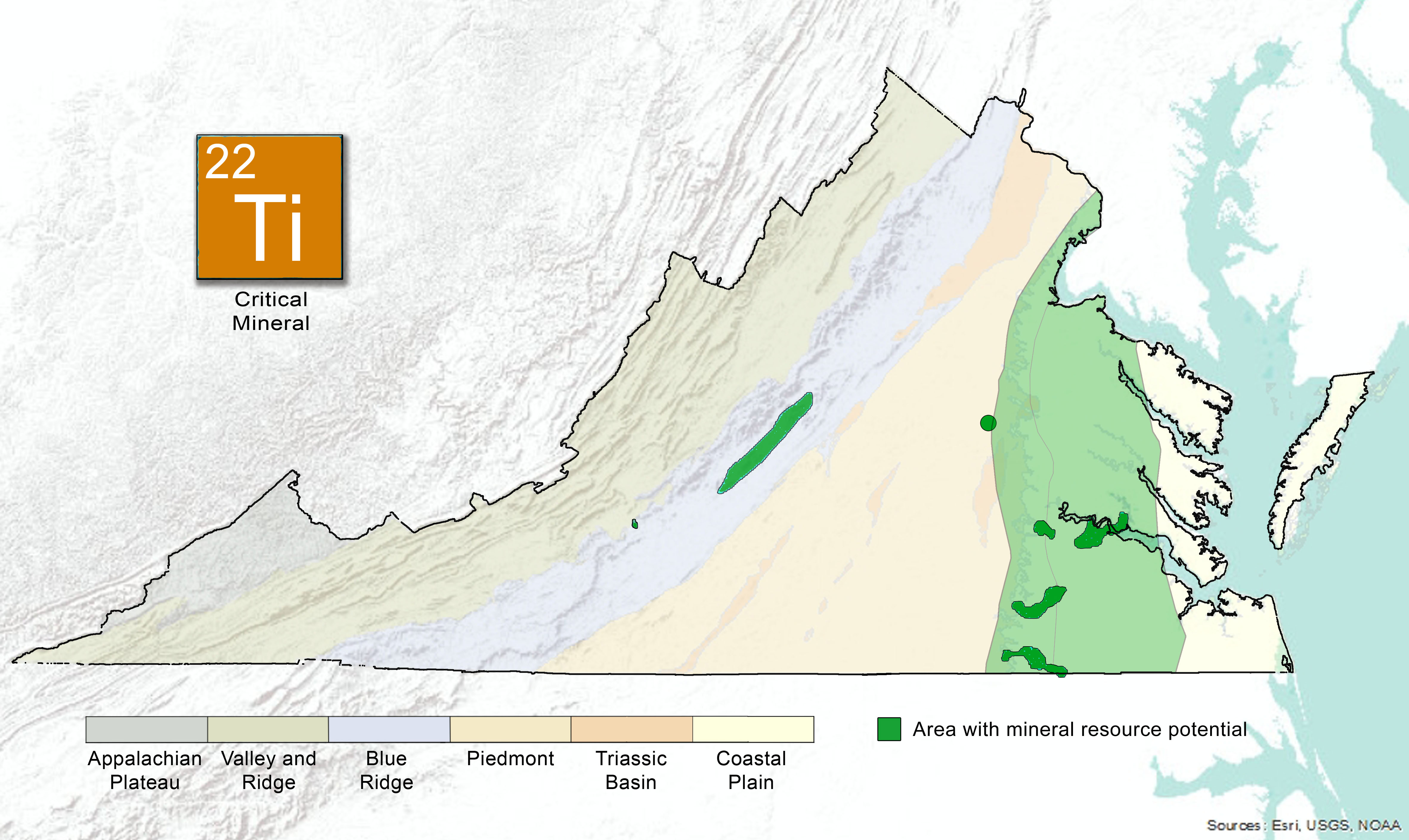
So, where do these minerals hang out? Get ready to pack your bags – the answer is pretty much everywhere!
Coastal Sands: Beaches aren't just for sunbathing. Many sandy coastlines, especially those formed from the erosion of volcanic rocks, are rich in ilmenite and rutile. Think sunny shores in Australia, South Africa, and India. These so-called "heavy mineral sands" are a primary source of titanium.
Igneous Rocks: Deeper within the earth, titanium-bearing minerals are found in igneous rocks like gabbro and anorthosite. These rocks form from the cooling of molten lava or magma. Canada, Norway, and Russia boast significant deposits of these titanium-rich rocks.
Sedimentary Deposits: Over millions of years, the relentless forces of erosion break down rocks and transport their constituent minerals. These minerals, including ilmenite and rutile, can then accumulate in sedimentary deposits, creating new sources of titanium.
From Ore to Amazing: The Titanium Transformation
Finding the minerals is just the first step. Extracting pure titanium is a complex and energy-intensive process. The most common method is the Kroll process, which involves reacting titanium tetrachloride with magnesium or sodium.
Fun Fact: The Kroll process, invented in the 1930s, is named after William J. Kroll, a metallurgist from Luxembourg. He basically cracked the code for making titanium commercially viable!
The resulting titanium sponge then needs to be melted and processed into usable forms, like bars, sheets, and powders.
Titanium's Cultural Connection
Titanium's name comes from Greek mythology: the Titans, figures of immense power. Given titanium’s incredible strength-to-weight ratio, the name is pretty spot on! From luxury watches to bicycle frames, titanium signifies strength and durability.
Did you know? Certain titanium compounds are used as pigments to make things super white? This is why titanium dioxide is a common ingredient in paints, paper, and even toothpaste!
Practical Tips: Spotting Titanium in Your World
While you might not be able to identify raw titanium ore in the wild, here's how to recognize its presence in your daily life:
- Look for the Ti symbol: Many products containing titanium will clearly state its presence on the packaging.
- Assess the weight: Titanium is lightweight yet strong. If something feels surprisingly light but sturdy, it might contain titanium.
- Consider the application: Medical implants, high-end sporting equipment, and aerospace components often utilize titanium's unique properties.
A Moment of Reflection
The journey of titanium, from humble mineral to high-performance material, is a testament to human ingenuity. It reminds us that even the most extraordinary things often originate from the most ordinary places – from beach sands to ancient rocks. Next time you marvel at a sleek titanium gadget, remember the earth's hidden treasures and the remarkable processes that bring them to life. Titanium, like our experiences, may be hidden within something greater, waiting to be discovered and utilized for its potential.