Shale Gas: It's Like Nature's Buried Treasure (But Less Exciting Than Pirates)
So, we hear a lot about shale gas. It's supposed to be this huge energy source. But where exactly is this stuff hiding? It's not like we can just dig up a treasure chest filled with gas, right?
Think of Shale as a Really Bad Cookie…
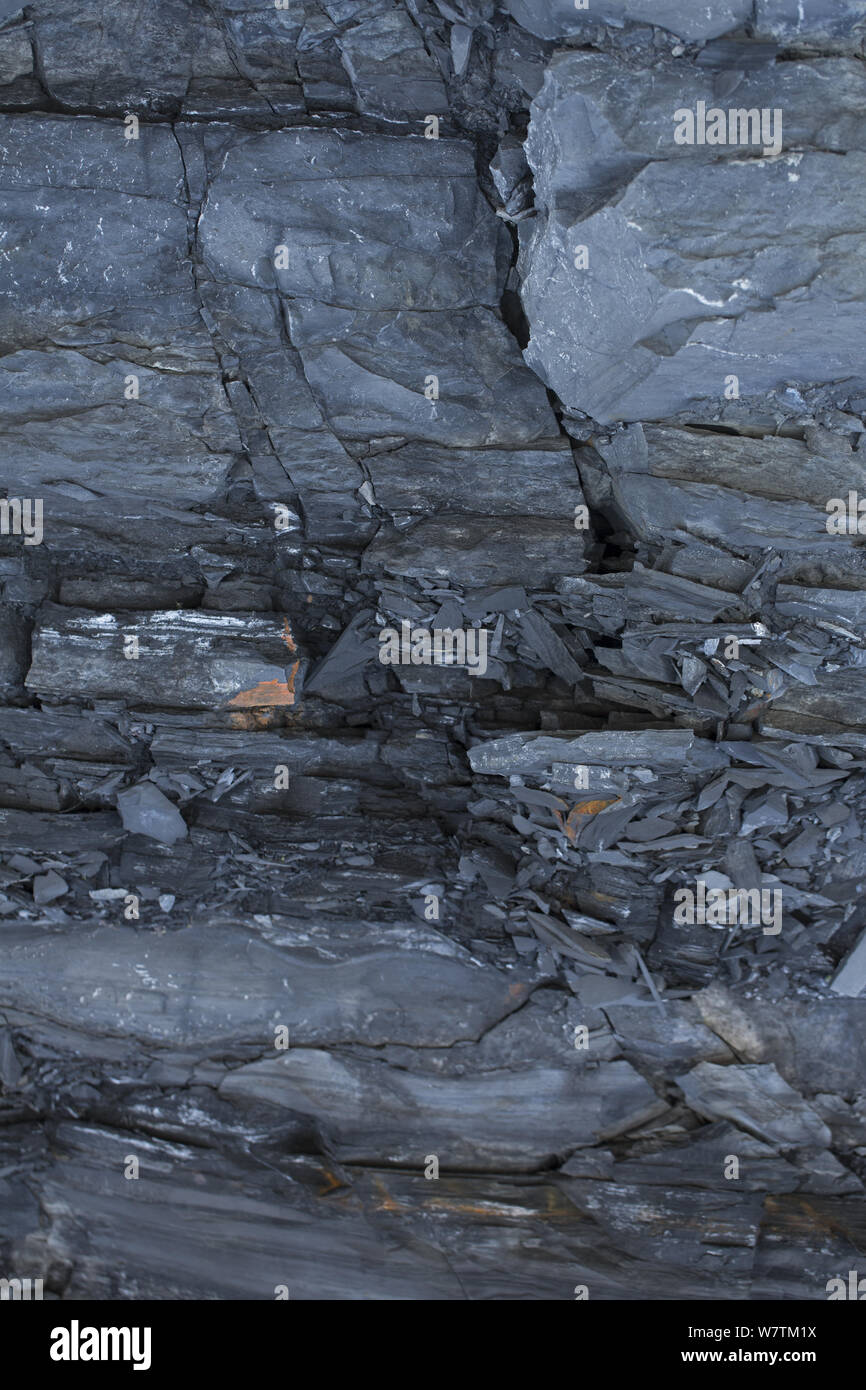
Imagine a cookie. A really, really bad cookie. One that's super dense and barely holds together. That’s kind of like shale rock.
Now, imagine that cookie has tiny, tiny cracks all through it. Too small to see without a powerful magnifying glass. Those cracks are where the natural gas is trapped.
It’s not in big pockets. It’s not in underground lakes. It’s spread throughout this super-dense rock like sprinkles in a poorly mixed batter.
…Buried Really, Really Deep
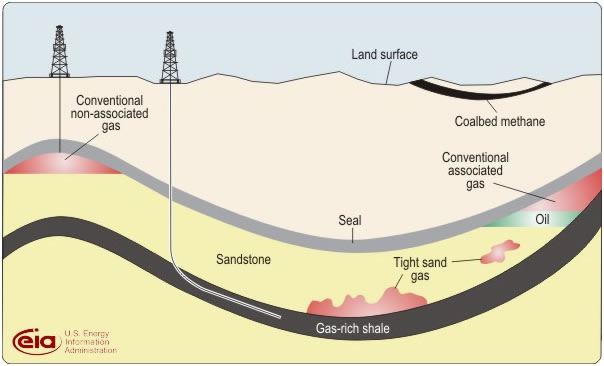
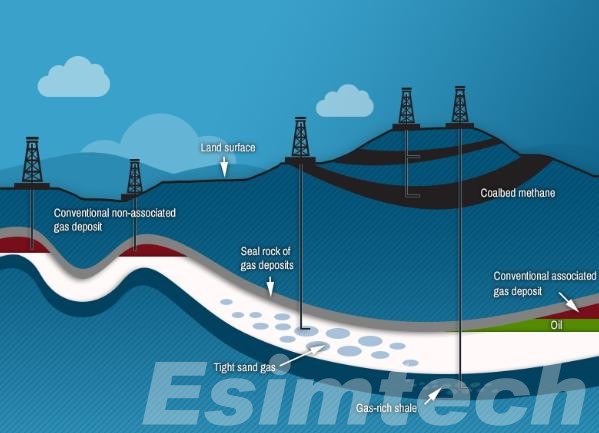
Okay, so you've got your bad cookie. Now bury it. Really deep. We're talking thousands of feet underground.
That's where you'll find most shale gas formations. They’re nestled way down below the surface.
Think of it: the earth’s been baking these shale “cookies” for millions of years! All that pressure has really squeezed the gas into those tiny spaces.
The Usual Suspects (Geographically Speaking)
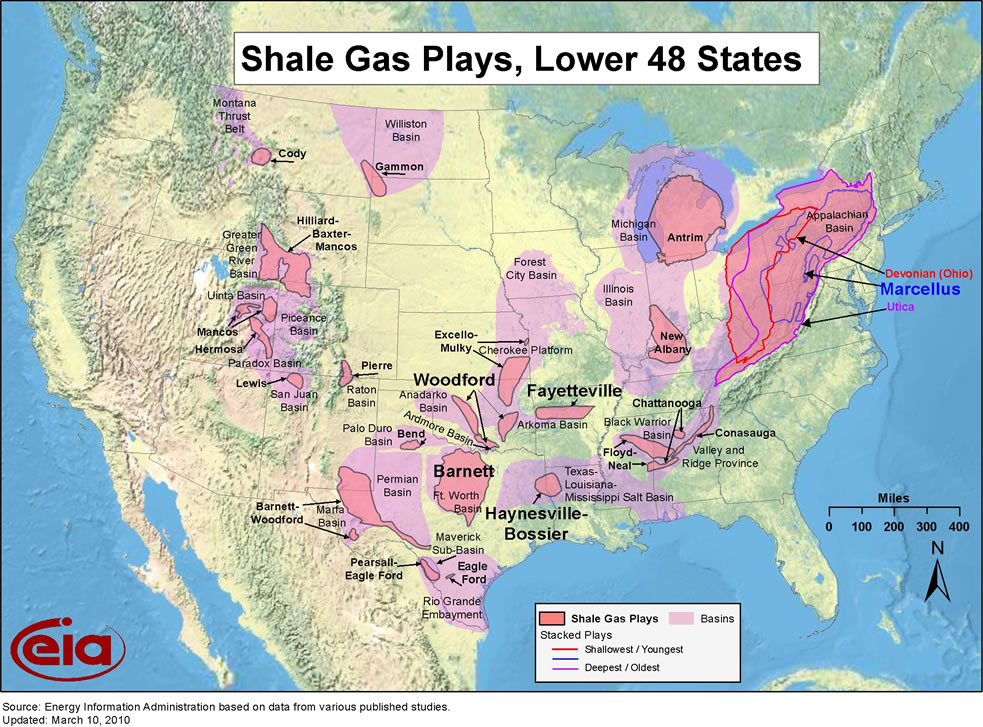
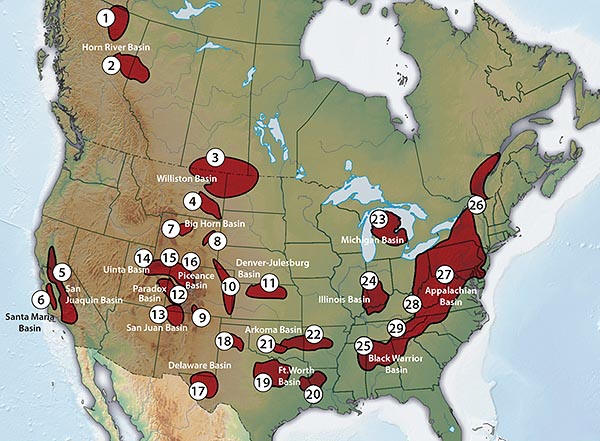
Where are these gas-filled cookies located? Well, they’re all over the place.
The United States, for example, has some major shale formations. We're talking the Marcellus Shale in the Northeast. And the Barnett Shale in Texas.
Other countries like Argentina, China, and Canada also have significant shale gas resources. Basically, if you have a lot of old, sedimentary rock, you might have shale gas.
It's All About the Geology, Baby!
Geology is the key here. Certain geological conditions are needed to create shale. And to trap that precious natural gas.
These formations are typically found in areas that were once ancient seabeds or river deltas. Places where lots of sediment built up over long periods.
Think layers upon layers of mud and organic matter, compressed and cooked by the earth's heat and pressure. It’s a recipe for (shale) disaster! Or, you know, energy.
Hydraulic Fracturing: The Controversial "Extraction" Method
Okay, so we know where the gas is. But how do we get it out? This is where things get a little…complicated.
The main method used to extract shale gas is hydraulic fracturing, or fracking. It involves injecting high-pressure fluids into the shale rock to create fractures and release the gas.
It’s like trying to break open that bad cookie with a sledgehammer. Messy, and not always pretty.
My Unpopular Opinion: It's Complicated!
Here's where I get controversial. A lot of people have strong opinions about fracking. Some are all for it. Some are totally against it.
But I think the truth is…it's complicated! There are real benefits and real risks. It is something to think about.
For example, it can help us access a large domestic energy source. But it can also have environmental impacts, like water contamination and induced seismicity (earthquakes!).
Finding Balance: The Quest for Responsible Energy
So, what's the answer? I honestly don't know. But I think we need to find a balance. We need to develop our energy resources responsibly.
That means carefully considering the environmental impact of fracking. It also means investing in renewable energy sources.
The future of energy isn't just about shale gas. It's about a diverse mix of sources that can meet our needs sustainably. Or so I’m told!
It's Not Just About Gas, It's About Our Planet
Ultimately, this conversation isn't just about where shale gas is found. It's about our responsibility to the planet.
We need to think about the long-term consequences of our energy choices. And we need to work together to find solutions that are both economically viable and environmentally sound.
Because, let's be honest, no one wants to live on a planet that's been fracked into oblivion. (Except maybe the cookie monster?)
So, Where DO They Find This Stuff, REALLY?
Okay, to recap, shale gas is found in:
Dense, sedimentary rock formations (shale). Thousands of feet underground. Spread out in tiny cracks and pores. In places like the US, Argentina, China, and Canada. Requiring hydraulic fracturing to extract.
It's a complex topic with a lot of debate around it. But hopefully, this has given you a slightly clearer picture of where this hidden treasure (or troublesome resource) is located.
Now, if you'll excuse me, I'm going to go find a better cookie. One without gas trapped inside!
And remember, even though I'm poking fun, responsible energy development is important for our future. Just try not to think about bad cookies too much. You have a good day, now!