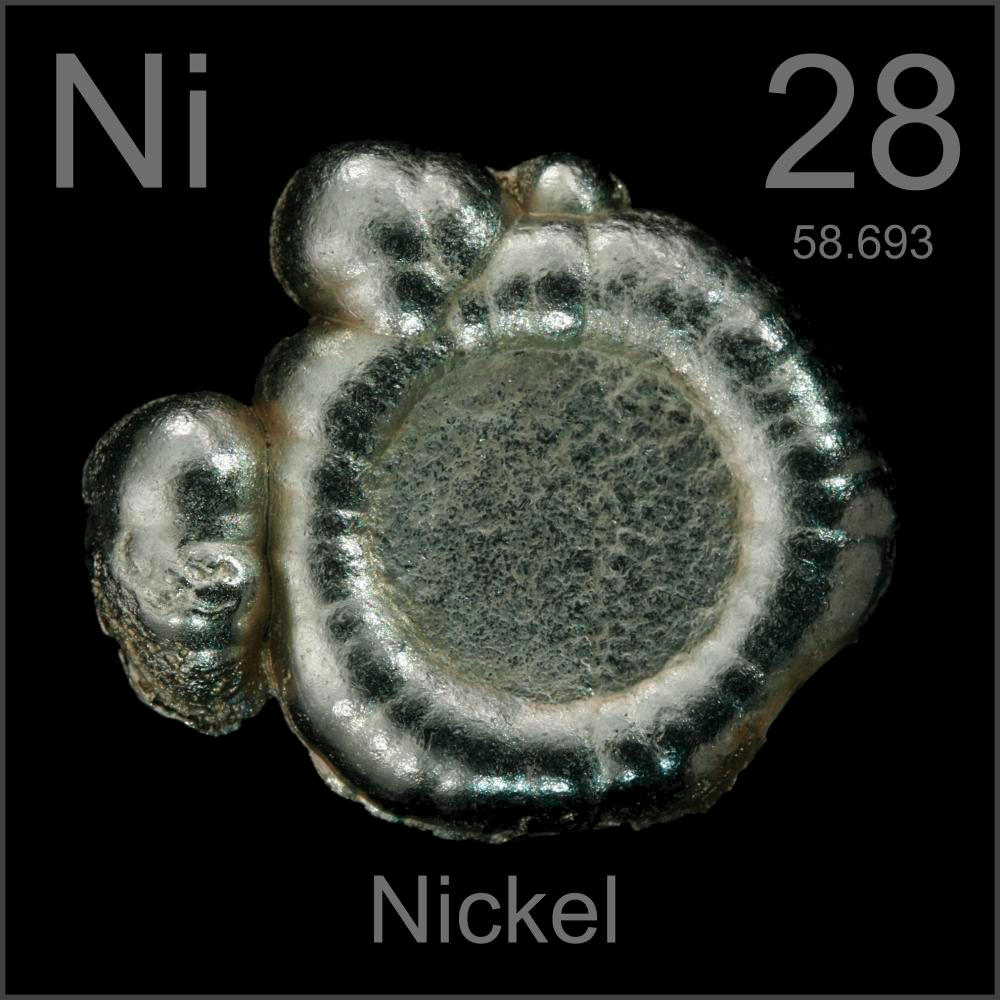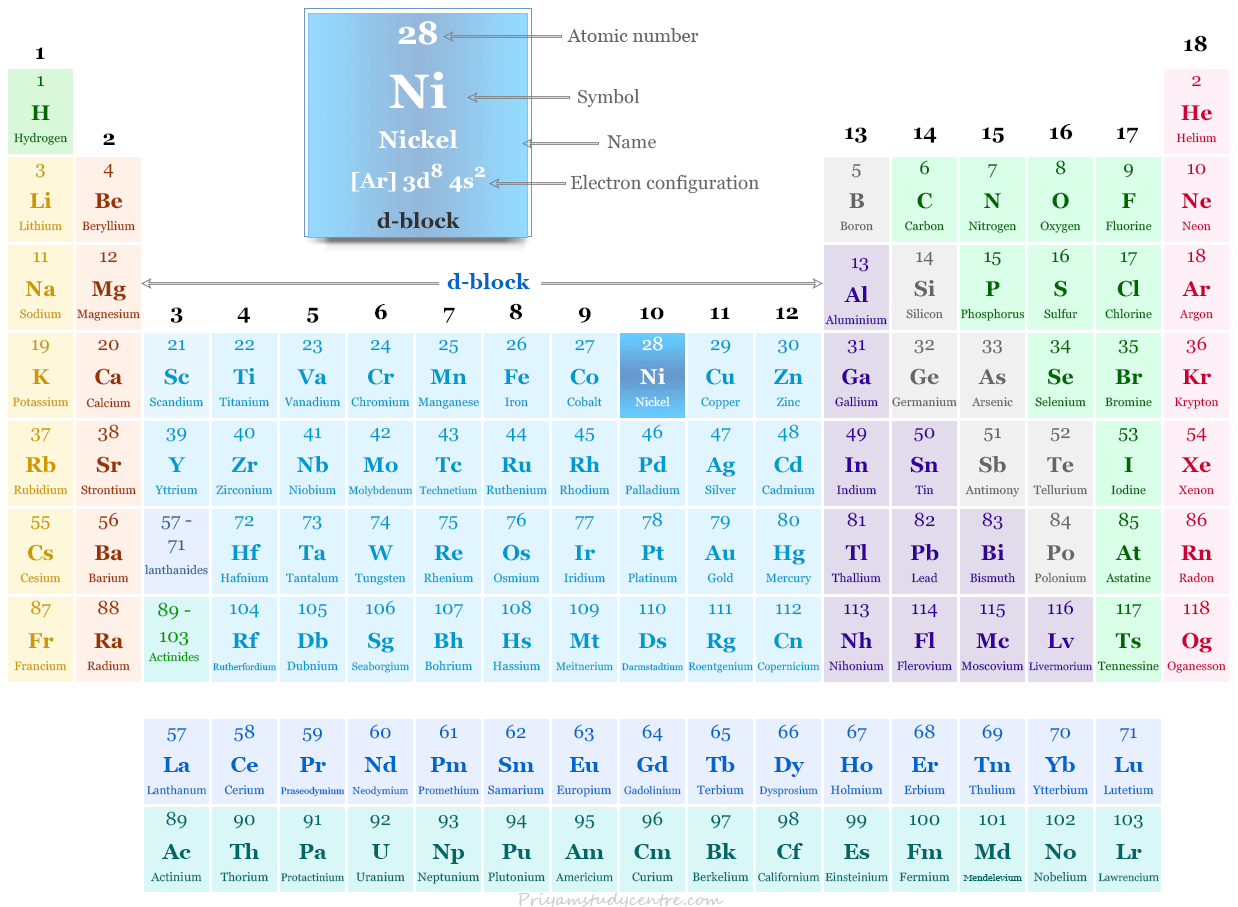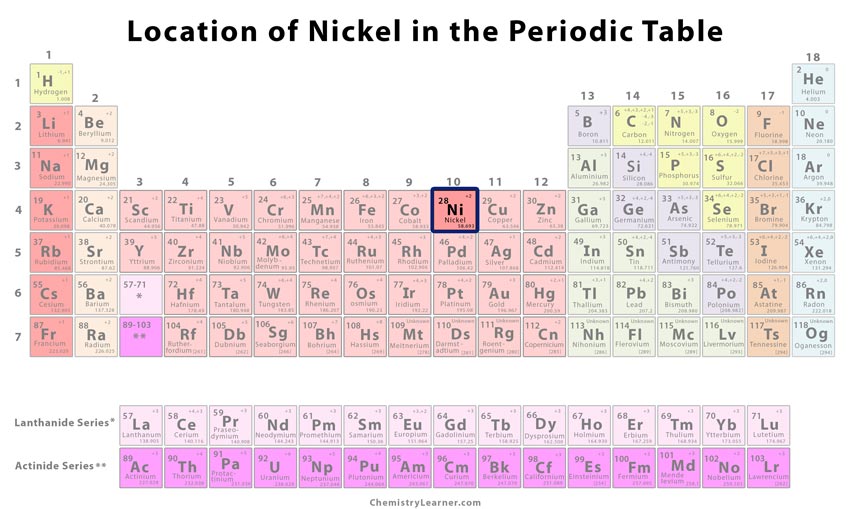
Nickel. It's that silvery-white metal, often associated with coins, but its story stretches far beyond your pocket change. Ever wondered where this common, yet crucial element actually comes from? Let's embark on a journey, from deep within the Earth to surprisingly familiar places, to uncover the whereabouts of nickel.
From the Earth's Core to Mines Around the Globe
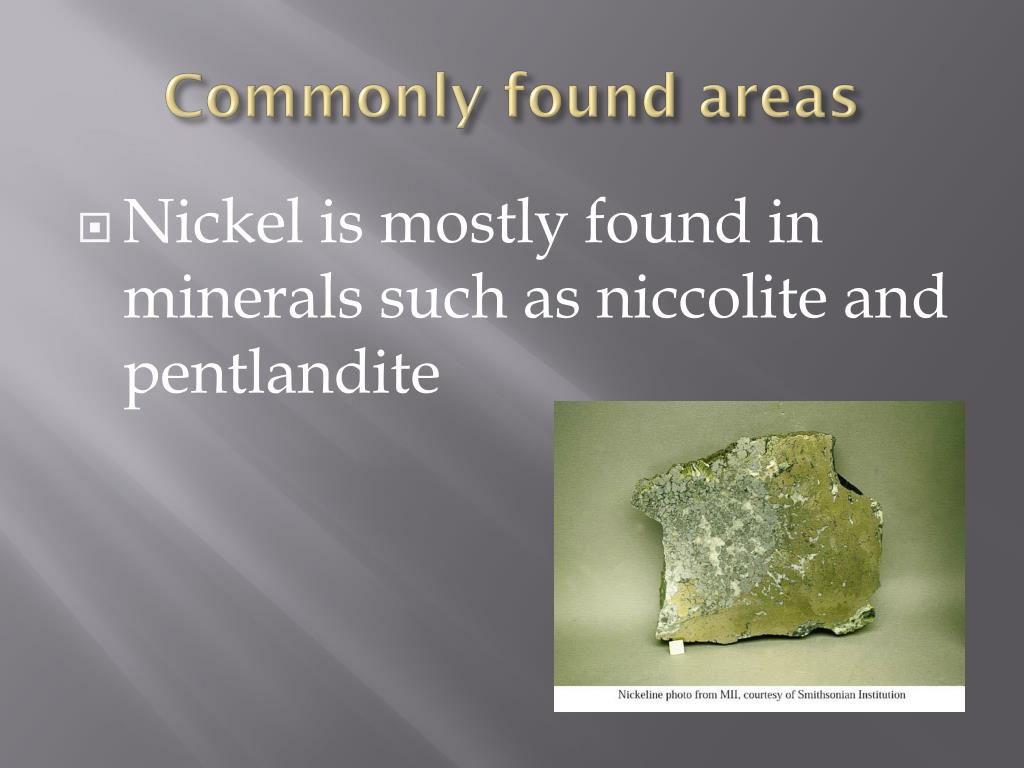
Nickel's story begins in the Earth's core. Scientists believe that the core is primarily composed of iron and nickel – a truly massive reservoir! Thankfully, we don't have to dig that far to find it. Nickel is extracted from various types of ore deposits found closer to the surface.
One of the most significant types of nickel deposits is known as sulfide ores. These are typically found in regions with a history of volcanic activity. Think Canada (Sudbury is a major nickel-producing area), Russia (Norilsk), and South Africa. These deposits are often associated with other valuable metals like copper, platinum, and palladium, making them incredibly lucrative to mine.
Another important source is laterite ores. These are found in tropical regions, where weathering processes have concentrated nickel near the surface. Imagine lush landscapes of countries like Indonesia, the Philippines, and New Caledonia. Laterite deposits are generally easier to mine than sulfide ores, but the extraction process can be more complex.
Beyond the Mine: Nickel's Unexpected Hideaways
While mining is the primary source, nickel pops up in some unexpected places in our daily lives.
Stainless Steel: This is probably the most ubiquitous place you'll find nickel. Stainless steel, prized for its corrosion resistance, contains a significant amount of nickel (typically 8-12%). From your kitchen sink to surgical instruments, nickel is a key ingredient.
Batteries: Nickel plays a crucial role in rechargeable batteries, particularly nickel-metal hydride (NiMH) and nickel-cadmium (NiCd) batteries. These power everything from power tools to hybrid vehicles. As we move towards more sustainable energy solutions, the demand for nickel in batteries is only going to increase.
Jewelry: While not always ideal due to potential allergic reactions, nickel is sometimes used in jewelry, particularly as a base metal or in alloys. If you have sensitive skin, always opt for nickel-free options like stainless steel or hypoallergenic metals.
Coins: And, of course, the classic nickel! In the US, the five-cent coin is actually only 25% nickel and 75% copper. It's more about the historical association with the name than the actual composition these days.
Fun Fact: The Devil's Metal
Interestingly, the name "nickel" has rather mischievous origins. German miners in the Middle Ages struggled to extract copper from a reddish ore. They blamed a mischievous spirit named "Nickel" for their failure, and the ore became known as "Kupfernickel" (copper demon). Ironically, that "demon" was actually nickel arsenide!
Nickel in Culture: A Nod to Resilience
Beyond its practical applications, nickel sometimes pops up in cultural references. Think about the phrase "not worth a nickel." It implies something of little value, a testament to the coin's everyday presence. But perhaps a more fitting cultural association should be with resilience. Nickel, after all, lends its strength and resistance to countless materials we rely on.
Practical Tip: Dealing with Nickel Allergies
If you suspect you have a nickel allergy (contact dermatitis), talk to your doctor or a dermatologist. They can perform a patch test to confirm the allergy. Opt for nickel-free jewelry, use protective barriers (like clear nail polish) on metal objects that come into contact with your skin, and be mindful of the nickel content in food and cosmetics.
Reflection: The Unseen Threads
Nickel, though often unseen, weaves itself into the fabric of our modern lives. From the gleaming appliances in our kitchens to the batteries powering our devices, this element silently plays a vital role. It’s a reminder that many of the things we take for granted are supported by complex networks of extraction, processing, and innovation. So, the next time you reach for a stainless-steel utensil or drive a hybrid car, take a moment to appreciate the humble, yet indispensable, element of nickel.