Ever wondered where the people who keep those massive ships running actually *live* while they're working? It's a fascinating question, isn't it? The world of marine engineering is a blend of hardcore mechanics, cutting-edge technology, and a real sense of adventure. Knowing where these vital professionals work opens up a whole new perspective on global trade, travel, and even environmental responsibility. Whether you're a student considering a career, a family planning a cruise, or just someone curious about the world, understanding the workplace of a marine engineer is surprisingly useful and engaging.
For beginners, picturing where a marine engineer works helps solidify what the job actually *is*. It's not just some abstract concept; it's a tangible environment. They could be on a gigantic container ship crossing the Pacific, a luxurious cruise liner sailing the Caribbean, or even an oil rig in the North Sea. For families, knowing this adds depth to vacations. That cruise you're about to take? Imagine the dedication and skill of the marine engineers constantly working behind the scenes to ensure a safe and smooth journey. And for hobbyists – maybe you're into boating or ship modeling – understanding the engine rooms and technical spaces brings a whole new level of appreciation for the real thing.
So, where *do* they work? Primarily, marine engineers work onboard ships. This is the most common answer. Think of cargo ships, tankers, passenger ferries, warships, research vessels – the list goes on. But it doesn't stop there. They can also work on offshore platforms, such as oil rigs and wind farms, ensuring the complex machinery operates flawlessly. Another option is shipyards, where they might be involved in the construction, repair, and maintenance of vessels. Ashore, marine engineers can find employment in design offices, developing new technologies and improving existing systems, or in maritime insurance companies, assessing risks and investigating incidents.
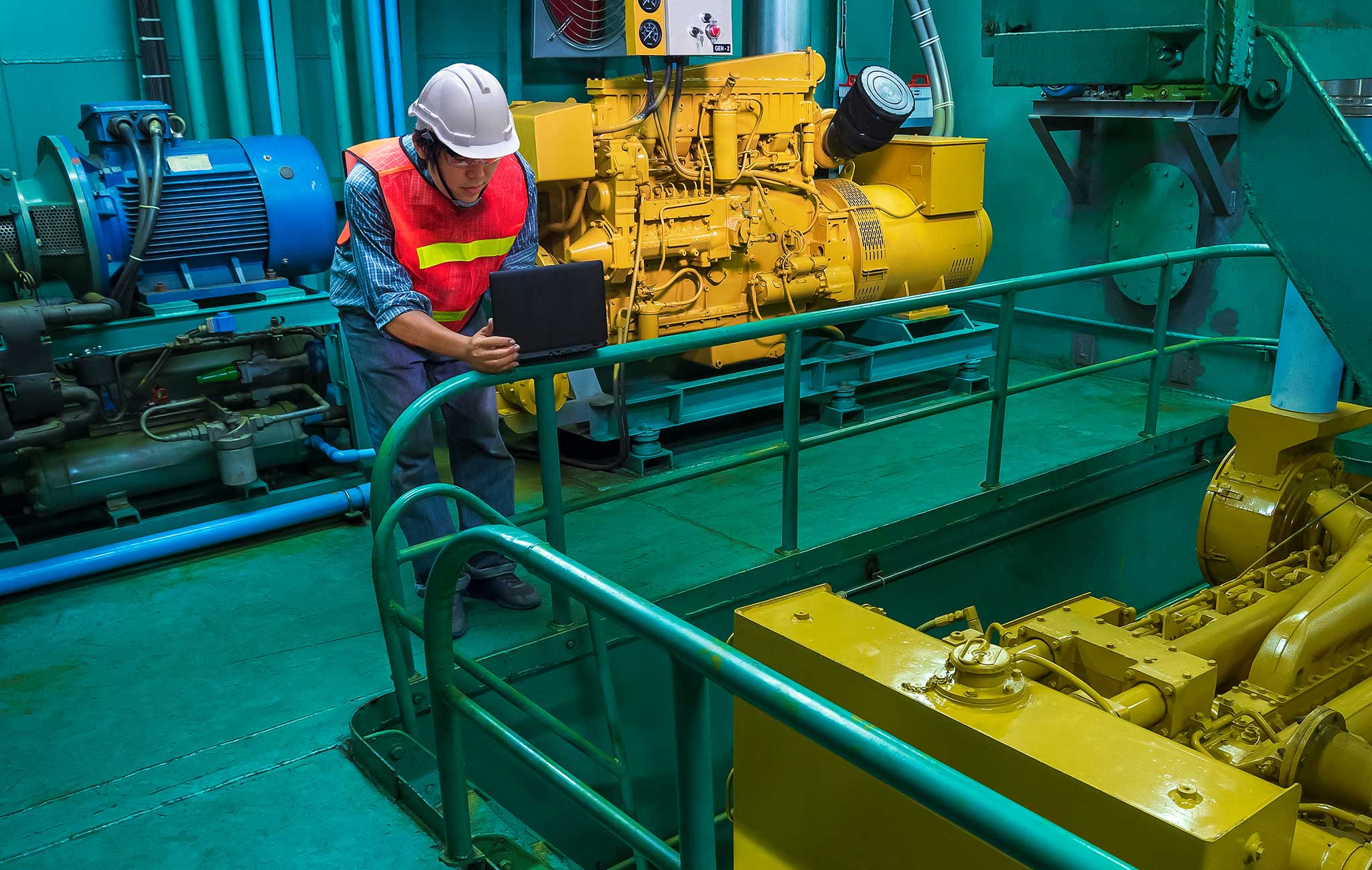
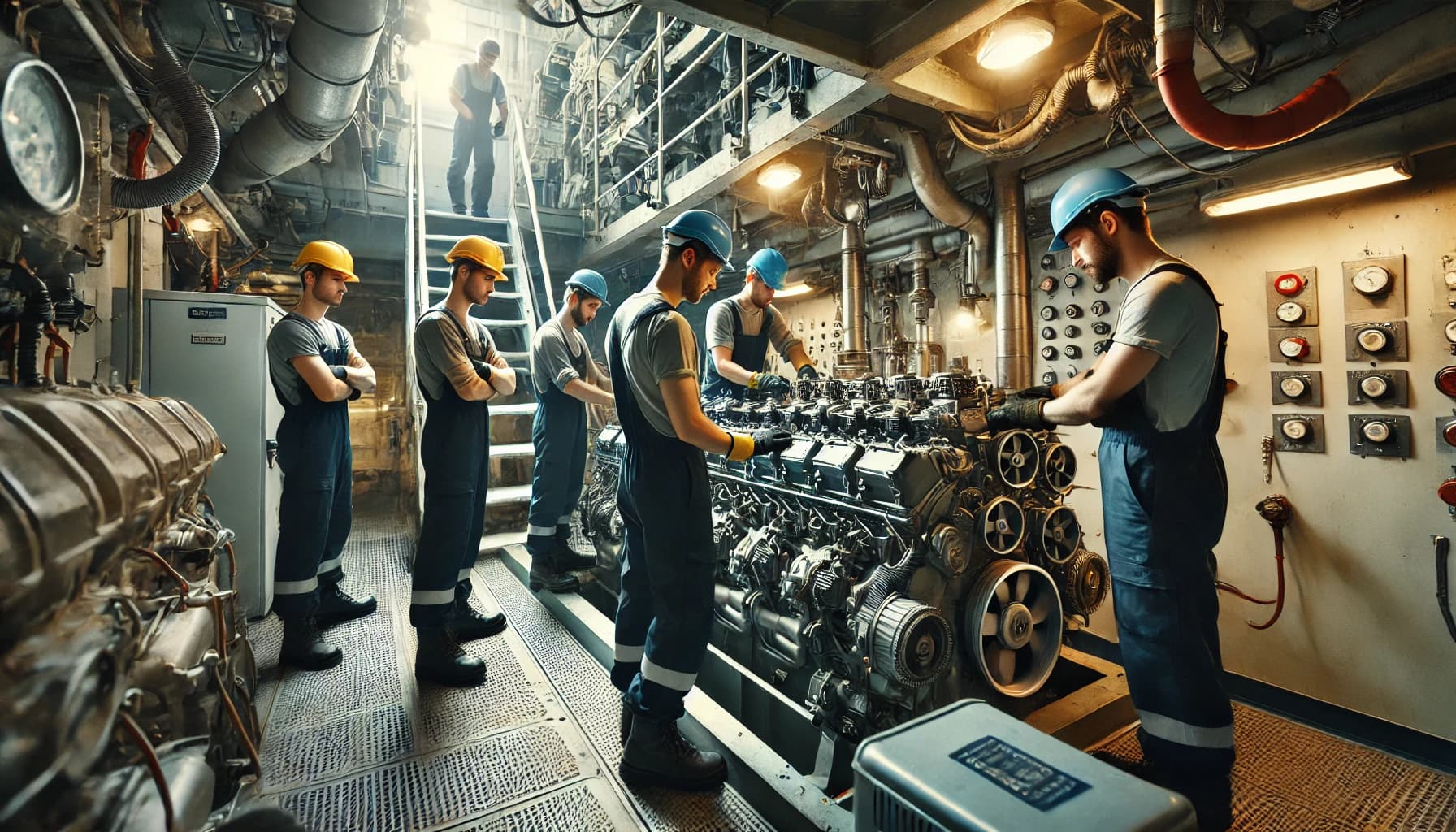
The specific environment can vary dramatically. On a modern cruise ship, a marine engineer might work in a clean, air-conditioned engine control room, monitoring sophisticated computer systems. On an older cargo ship, they might be down in the engine room, surrounded by the heat, noise, and oily smells of massive diesel engines. The work can be physically demanding, requiring problem-solving skills and the ability to work under pressure. Teamwork is also essential, as they often collaborate with other engineers, mechanics, and crew members.
Want to get a better sense of what it's like? Here are some simple tips: Watch documentaries about shipbuilding or maritime operations. Many are available on streaming services and offer glimpses into engine rooms. Read books or articles about marine engineering or ship design. Visit a maritime museum. Many have exhibits showcasing ship engines and technologies. Even just searching online for images and videos of engine rooms can be enlightening.
Understanding where a marine engineer works paints a vivid picture of a demanding but rewarding career. It highlights the importance of these professionals in keeping the world's maritime industry afloat, literally! Whether you're drawn to the technical challenges, the potential for travel, or simply the satisfaction of keeping massive machines running smoothly, exploring the world of marine engineering is a worthwhile endeavor. It's a world of adventure, innovation, and vital service to global commerce. So, next time you see a ship, remember the dedicated engineers working tirelessly below deck!