Ever wondered where those swirling, super-powered storms we call hurricanes come from? It's not like they're hatched in a secret volcano lair (though, wouldn't that be dramatic?). The real story is a whole lot more fascinating, and surprisingly simple to understand!
The Tropical Cradle
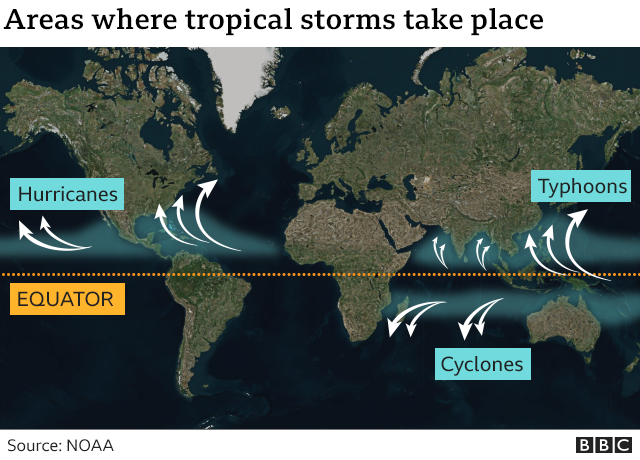
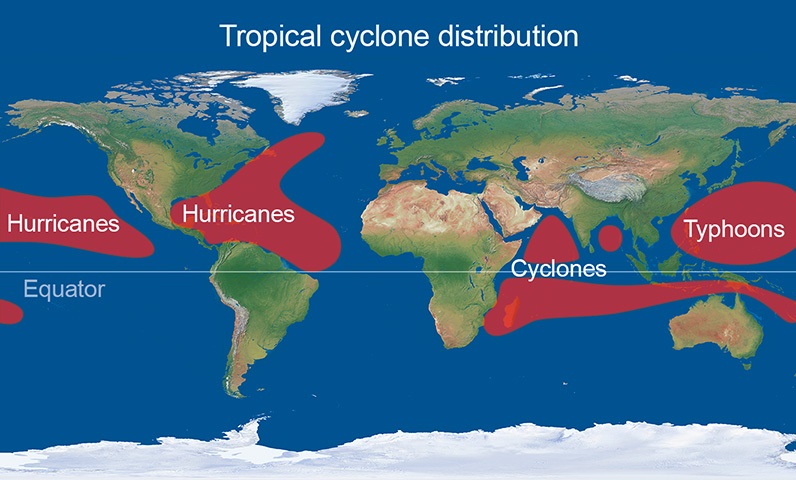
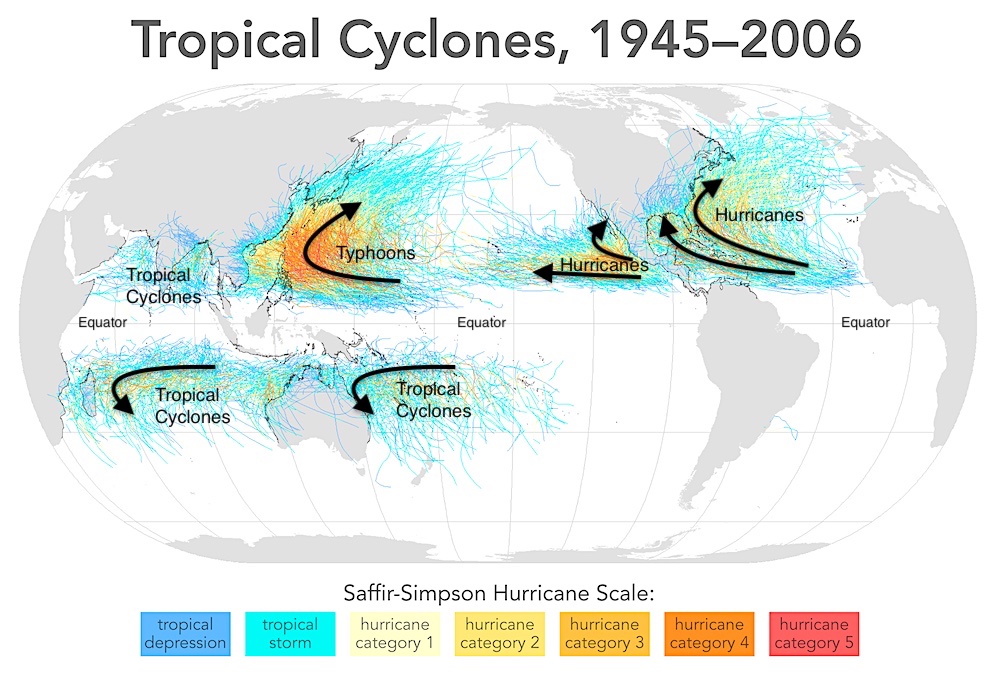
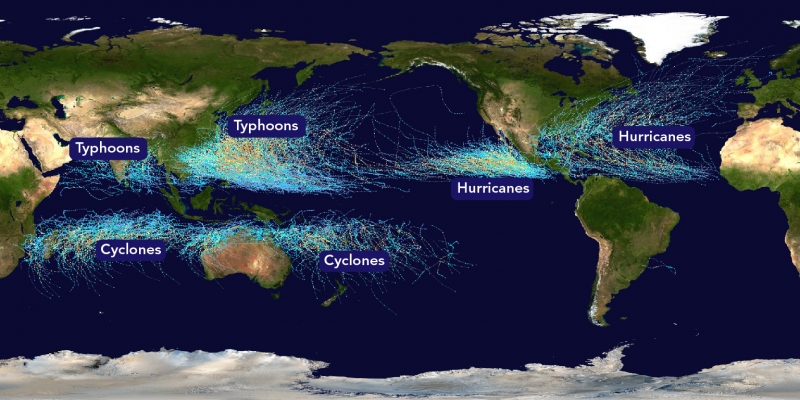
Imagine the ocean as a giant bathtub, but instead of rubber duckies, we have warm, tropical waters. These waters, especially near the Equator, are the prime real estate for hurricane formation. Think of it as the hurricane's birthplace, its cozy little nursery. Now, picture the sun beating down on this bathtub, warming the water like a giant solar-powered heater. All that warm water starts to evaporate, turning into moist, humid air. This air is like the hurricane's baby food – it's what fuels its growth!
The Air Gets a Spin
This warm, moist air starts to rise, just like the steam from your hot cocoa. As it rises, it cools down and forms clouds. And here's where things get interesting. The Earth is spinning, right? (Unless you're one of those people... just kidding!). This spin, thanks to something called the Coriolis effect, causes the rising air to start spinning too. It's like when you flush a toilet – the water spirals down the drain. Only, on a much, much grander scale! This spinning air creates a low-pressure area, kind of like a vacuum cleaner sucking in more air.
From Tropical Disturbance to Hurricane Hero
This initial swirling mess is what we call a tropical disturbance. It’s basically a disorganized collection of thunderstorms. Think of it as a group of kids playing tag, but without any real rules or direction. But if conditions are right – warm water, moist air, and minimal wind shear (which is like a bully trying to break up the game) – the tropical disturbance can start to organize itself.
As it organizes, it might become a tropical depression. Now the kids are starting to understand the rules of tag. If the winds in the tropical depression reach 39 miles per hour, it becomes a tropical storm, and it gets a name! That's when we start paying serious attention. Someone yells "Tag, you're it!", and the game gets intense.
But the real magic happens when the tropical storm intensifies further, and its sustained winds reach a whopping 74 miles per hour. BOOM! You've got yourself a hurricane! This is like the tag game evolving into a full-blown, championship-level competition, complete with cheering fans and dramatic slow-motion replays (in our minds, anyway).
The Fuel That Feeds the Beast
Hurricanes are like giant, heat-powered engines. They feed off the warm ocean water, drawing up more and more moisture to fuel their rotation. The warmer the water, the stronger the hurricane can become. It's like giving your engine premium fuel – it just runs better (or, in this case, worse for anyone in its path). That's why hurricanes tend to weaken when they move over land or cooler waters – they're basically running out of gas.
The Eye of the Storm (and a Secret Message)
At the center of the hurricane is the eye, a relatively calm and clear area. It's like the peaceful center of a giant donut, surrounded by a wall of powerful thunderstorms. The eye is formed because the air is sinking in the center of the storm. Some say if you look closely into the eye, you might just see a tiny weather gnome waving back at you, but that’s probably just the exhaustion talking.
"Hurricanes are nature's way of reminding us who's really in charge. Respect the power!" - Captain Obvious (but still true!)
So, there you have it! From warm tropical waters to spinning storms, hurricanes are a fascinating (and sometimes frightening) example of nature's power. Next time you hear about a hurricane brewing, you'll know exactly where it came from and how it got its start. Just remember the warm bathtub, the spinning air, and the hungry engine – and maybe keep an eye out for that weather gnome!