Hey! So, you wanna know when 3D printing popped into existence, huh? Well, buckle up, because it's not quite as recent as you might think. We're not talking Jetsons-level futuristic invention here... even though it *feels* like it sometimes, right?
It all started way back in the 1980s. Yup, the decade of big hair, neon, and leg warmers. Can you imagine inventing something that cool while rocking a mullet? I'm not sure I can.
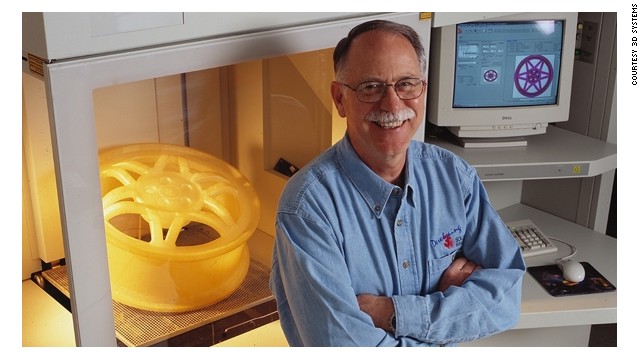
The main man behind the magic? A dude named Chuck Hull. Ring a bell? Maybe not. But he’s basically the father of 3D printing. We should all send him a thank you card, or at least a digital high-five.
Stereo-what-now?
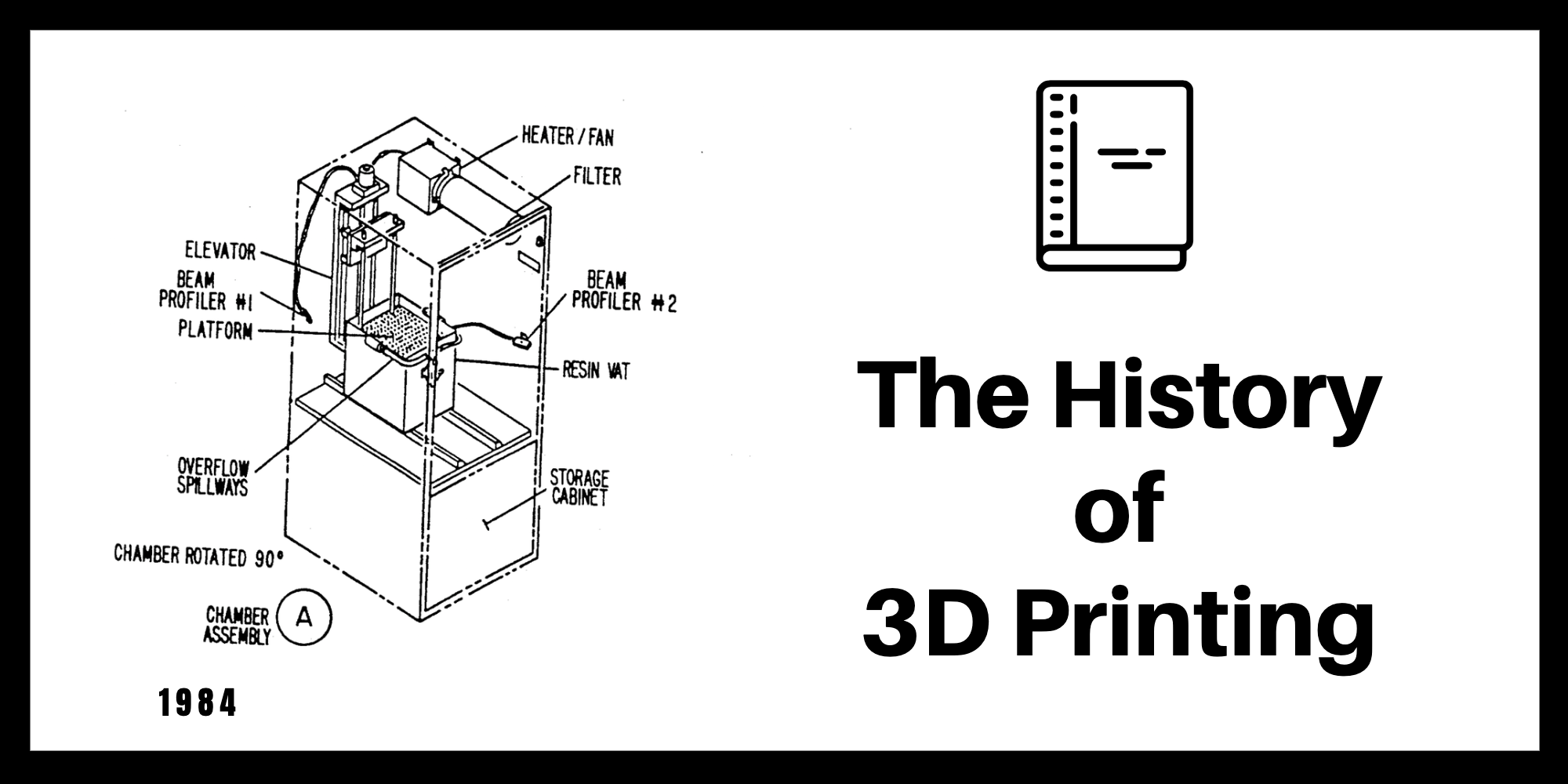
Chuck, being the clever clogs that he was, came up with something called stereolithography. Try saying *that* five times fast! (Spoiler alert: I can't.)
Basically, stereolithography uses UV light to harden liquid polymers, layer by layer, to create a solid object. Think of it like dipping a sculpture into liquid plastic and then flash-freezing specific parts with a super-powered sunlamp. Except way more technical. And less messy, hopefully. Okay, probably still messy.
He patented this groundbreaking technology in 1986. That’s, like, almost 40 years ago! Mind blown yet?
So, was Chuck the *only* one messing around with this kind of tech back then? Actually, no! There were other folks tinkering with similar ideas, all vying for the 3D printing crown. It was a bit of a race, you see. Like a techie version of the tortoise and the hare, except with lasers instead of shells.
From Lab to Living Room (Almost)
Initially, 3D printing (or additive manufacturing, as the fancy folks call it) was mostly used for prototyping. You know, making quick models to test designs before committing to full-scale production.
Imagine a car company needing to see if their new bumper design actually fits. Instead of spending a fortune on expensive tooling, they could just 3D print one! Pretty neat, huh?
This early use earned it the nickname "rapid prototyping." Because, well, it *was* rapid. Relatively speaking, anyway. We’re not talking instant gratification here. Though, wouldn’t *that* be amazing?
For a long time, 3D printers were bulky, expensive, and only really accessible to big companies and research institutions. You wouldn't exactly find one under the Christmas tree. (Unless you were a *very* lucky kid with ridiculously wealthy parents.)
But things have changed drastically, haven't they? Now you can get a decent 3D printer for a few hundred bucks. Okay, maybe *slightly* more than a few hundred... but still! They're way more affordable and user-friendly. Meaning you can now print your own Yoda heads and phone cases to your heart's content.
Which begs the question: are we all going to be living in 3D printed houses soon? Will everything we own be custom-designed and printed in our living rooms? Maybe! Only time will tell. But one thing's for sure: Chuck Hull started something pretty amazing. And we’re still seeing the ripples of his invention today.
So, there you have it! The not-so-brief history of when 3D printing was invented. Go forth and impress your friends with your newfound knowledge! You're welcome.