Alright, folks, let's talk about something near and dear to the hearts of Alabama hunters: the rut! Why is it so important? Well, the rut is essentially deer mating season, and understanding when it happens in your neck of the woods (literally!) is crucial for a successful hunt. Knowing when the bucks are actively chasing does dramatically increases your chances of spotting that trophy buck you've been dreaming about. So, buckle up as we dive into the whitetail deer rut in Alabama.
The purpose of knowing the rutting season is simple: to increase your hunting success. During the rut, bucks become less cautious and more focused on finding a mate. They'll be moving around more, scent-marking their territory, and generally throwing caution to the wind. This makes them more visible and predictable, giving hunters a significant advantage. By timing your hunts to coincide with peak rutting activity, you’re essentially stacking the odds in your favor. It's like showing up to a party when all the fun is happening!
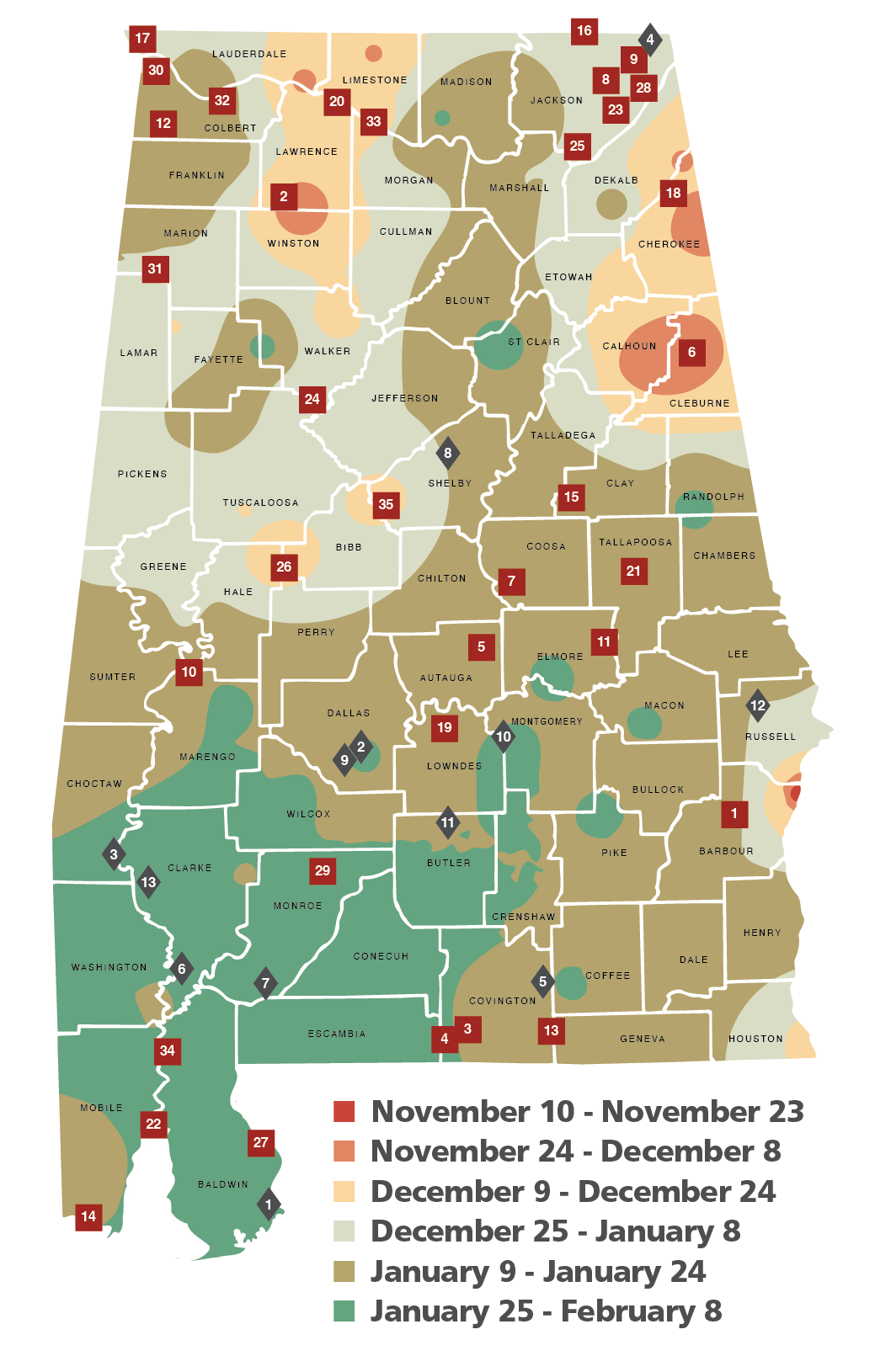
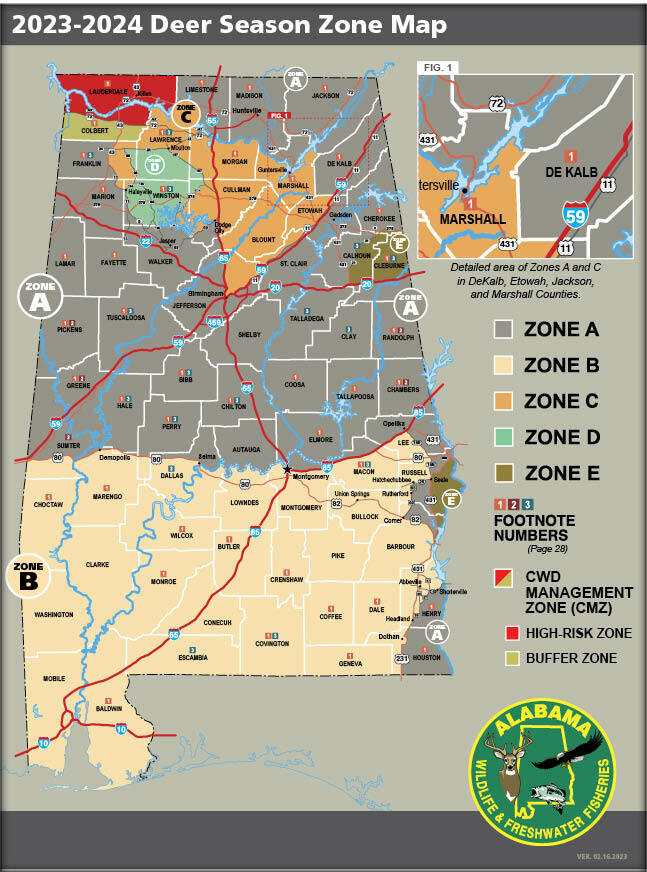
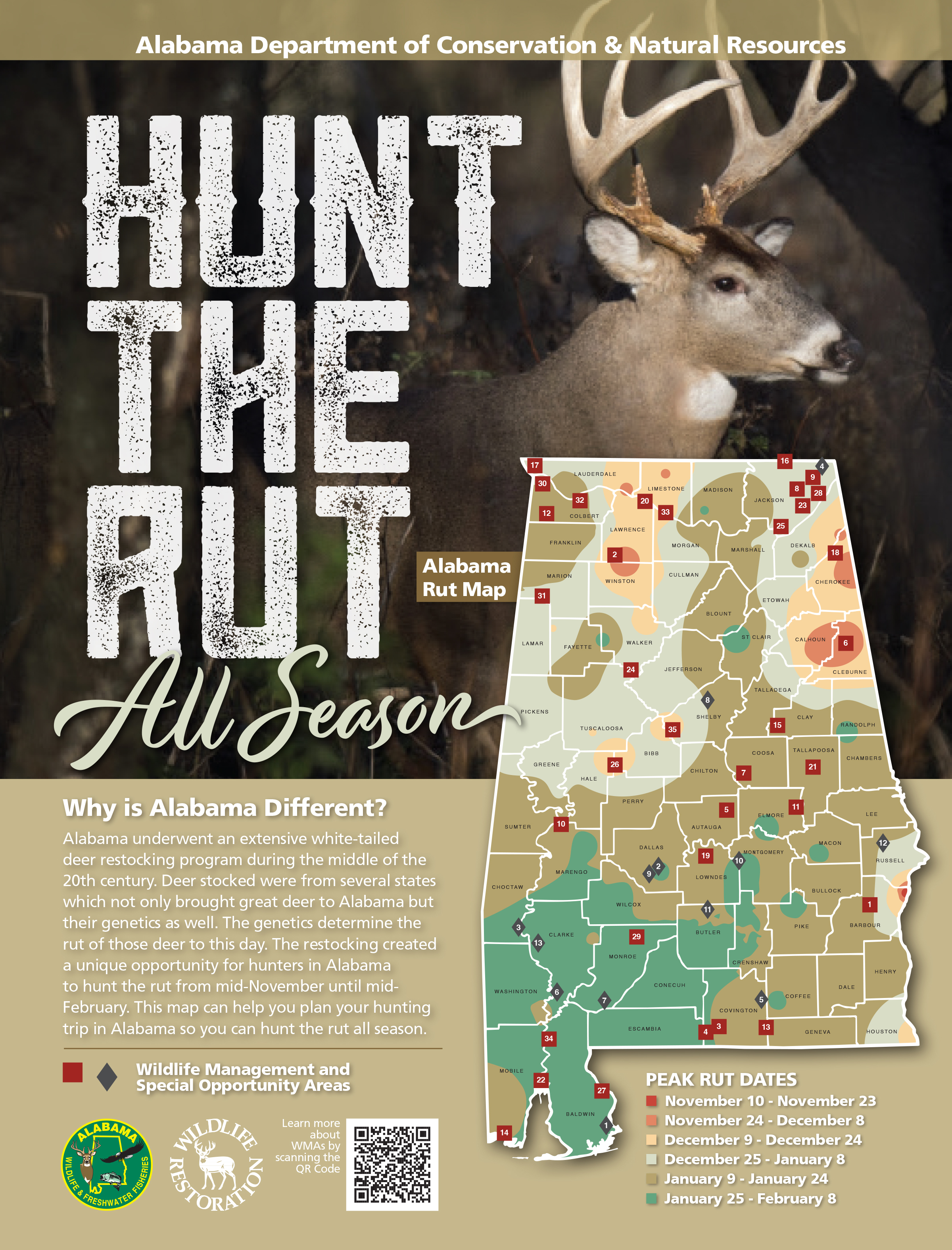
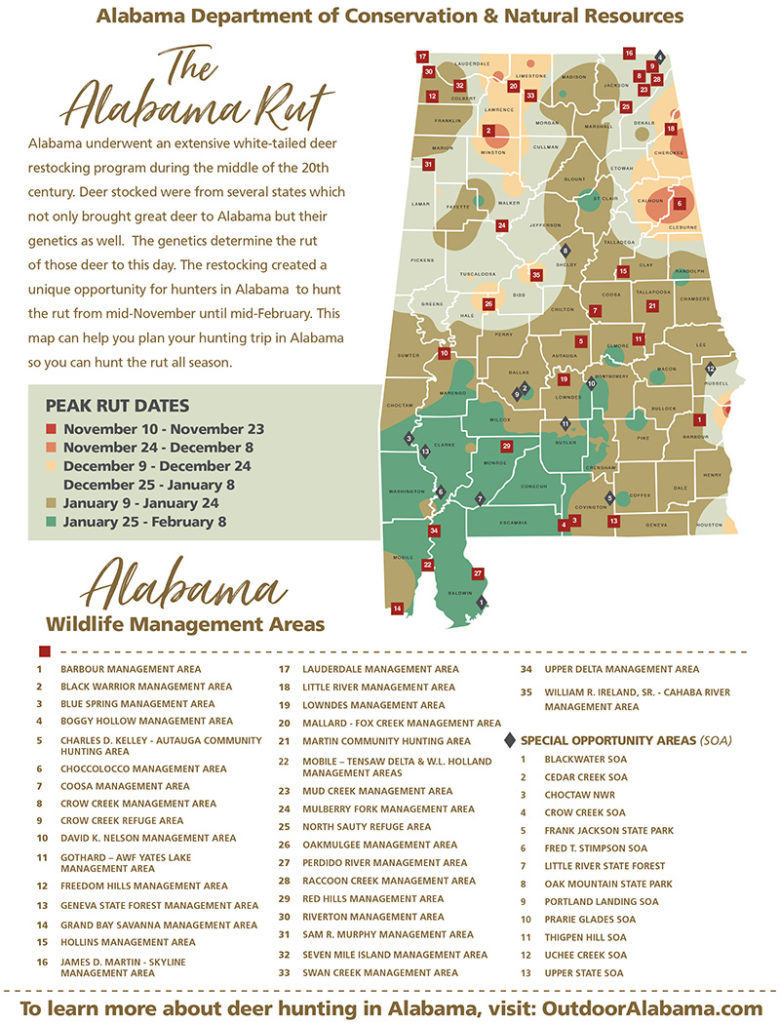
Now, for the million-dollar question: when does the rut actually start in Alabama? The answer, as you might suspect, isn't a simple one. Alabama's deer rut is notoriously complex and varied, influenced by factors like latitude, genetics, and even local deer populations. Unlike some states with a more uniform rut, Alabama sees rutting activity happening at different times across the state. This is why it’s often broken down into different zones.
Generally speaking, the earliest rutting activity starts in the southwestern part of the state, sometimes as early as October. As you move northeast, the rut tends to occur later, with some areas not seeing peak activity until January or even February! Central Alabama usually experiences the rut in November and December. It's important to remember that these are general guidelines. There can be local variations even within the same county. Many hunters will keep detailed hunting logs noting when they see certain behaviors to improve their hunts from year to year.
So, how can you pinpoint the rut in your specific hunting area? Here are a few tips:
- Talk to local hunters: Experienced hunters in your area are a wealth of knowledge. Ask them about their observations from previous years.
- Monitor deer activity: Use trail cameras to track deer movement and behavior. Look for signs like increased buck activity, scrapes, and rubs.
- Check local wildlife resources: The Alabama Department of Conservation and Natural Resources often provides rutting information and resources specific to different regions of the state. Their website is a great place to start.
- Observe deer behavior: Keep an eye out for signs of the rut, such as bucks actively chasing does, increased aggression between bucks, and bucks spending more time scent-marking.
Ultimately, understanding the Alabama rut is a game of observation, adaptation, and a little bit of luck. By doing your homework, paying attention to your surroundings, and leveraging the knowledge of other hunters, you can significantly increase your chances of a successful and rewarding hunting season. Good luck, and happy hunting!
.jpg)