Ever feel like you're trying to remember someone's name you absolutely should know? Like, you've met them at least three times, they were super nice, and you even chatted about your shared love of competitive ferret grooming? But all you can dredge up is... "Uh... hey... you!" Yeah, hurricanes are kinda like that. Except instead of ferrets, they involve torrential downpours and potential power outages.
So, How *Do* They Name These Guys?
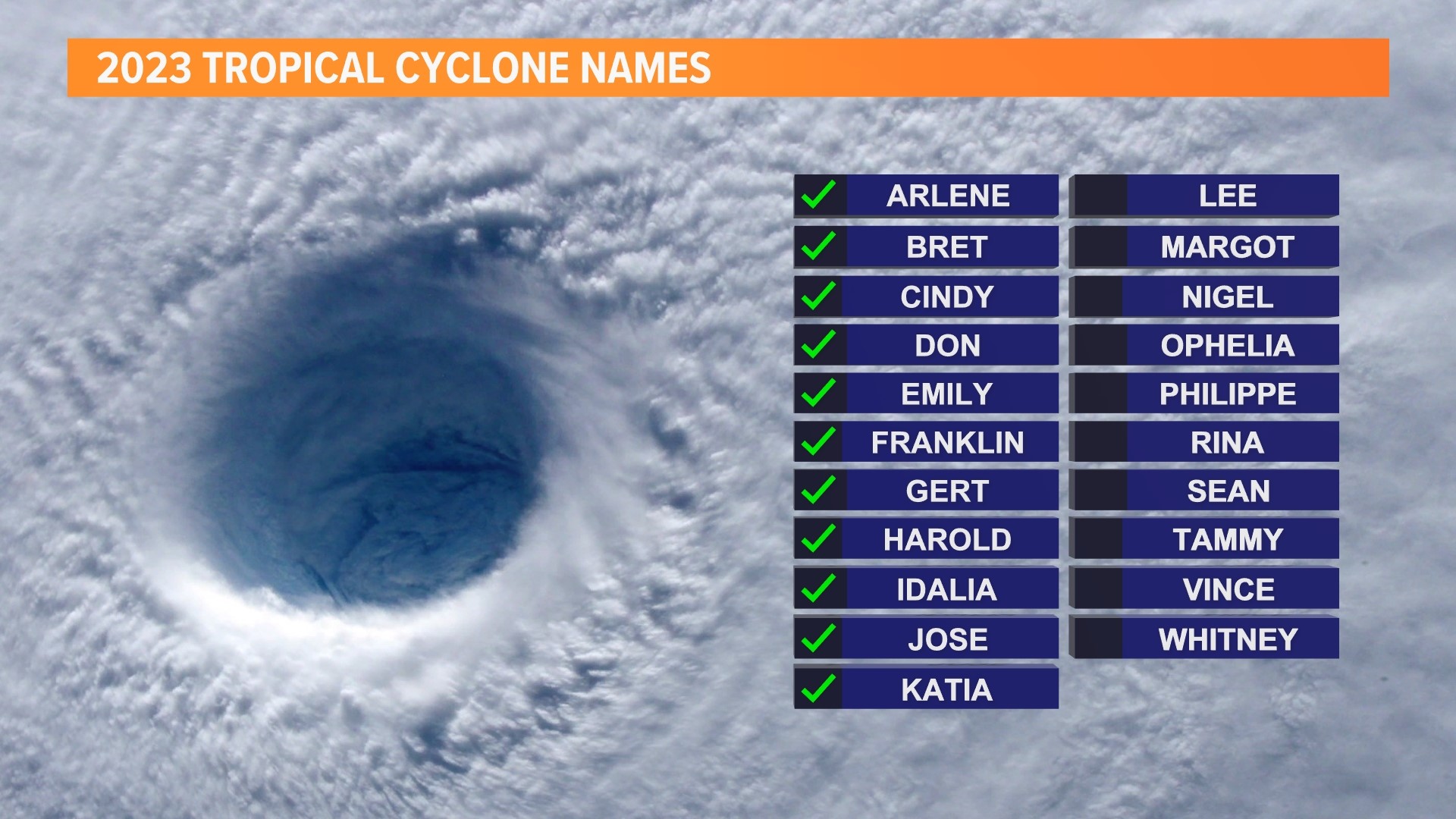
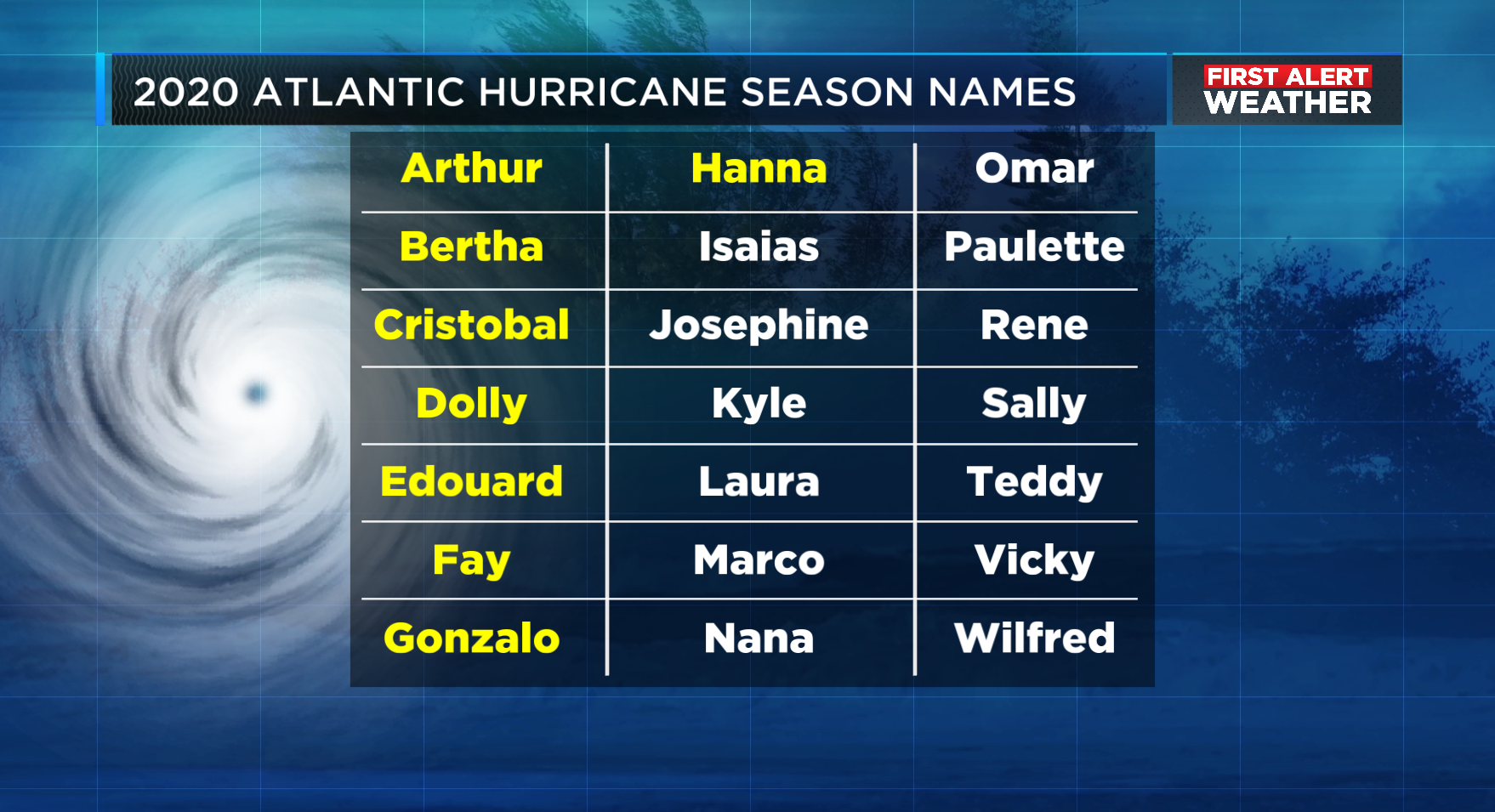
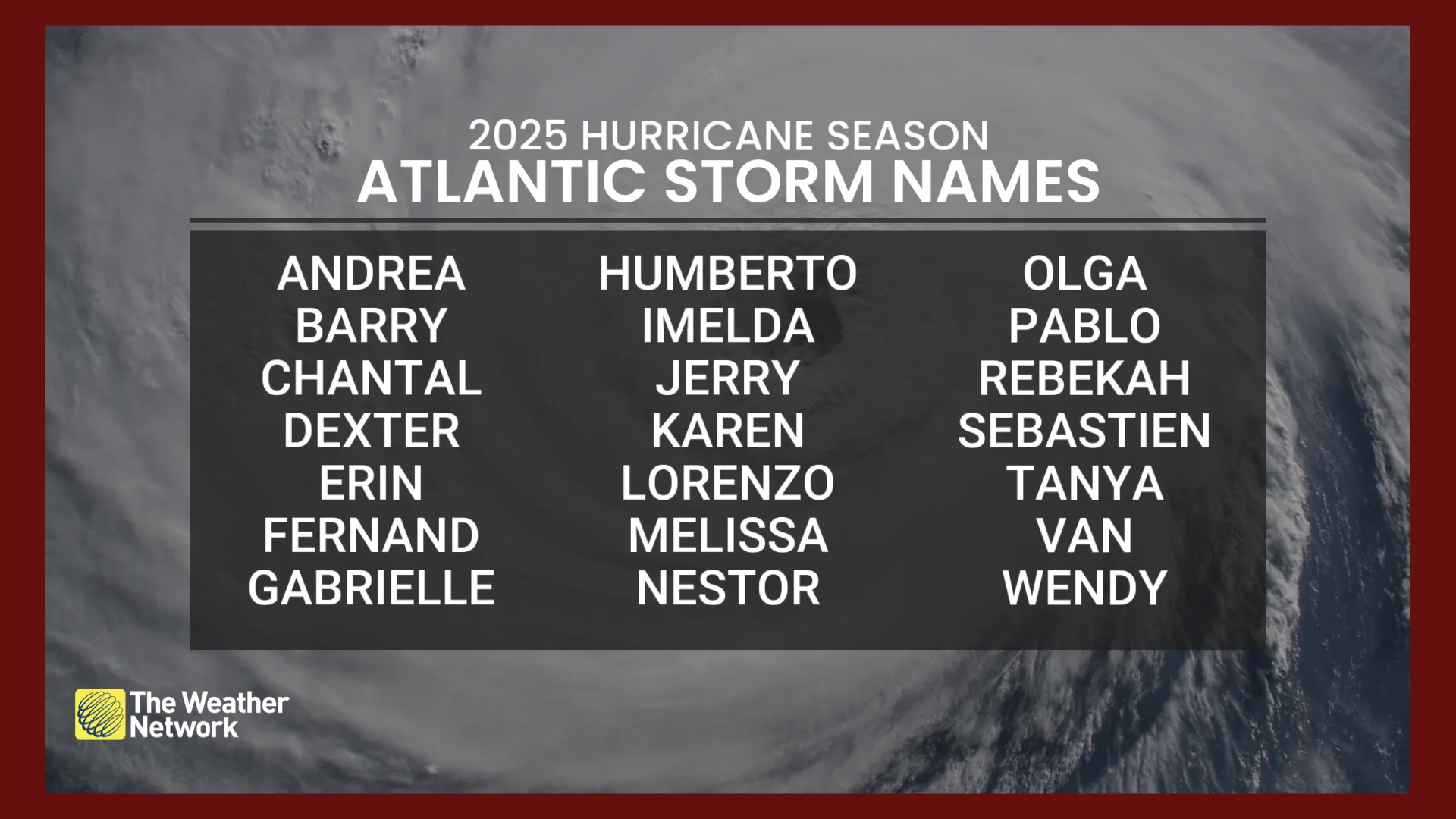
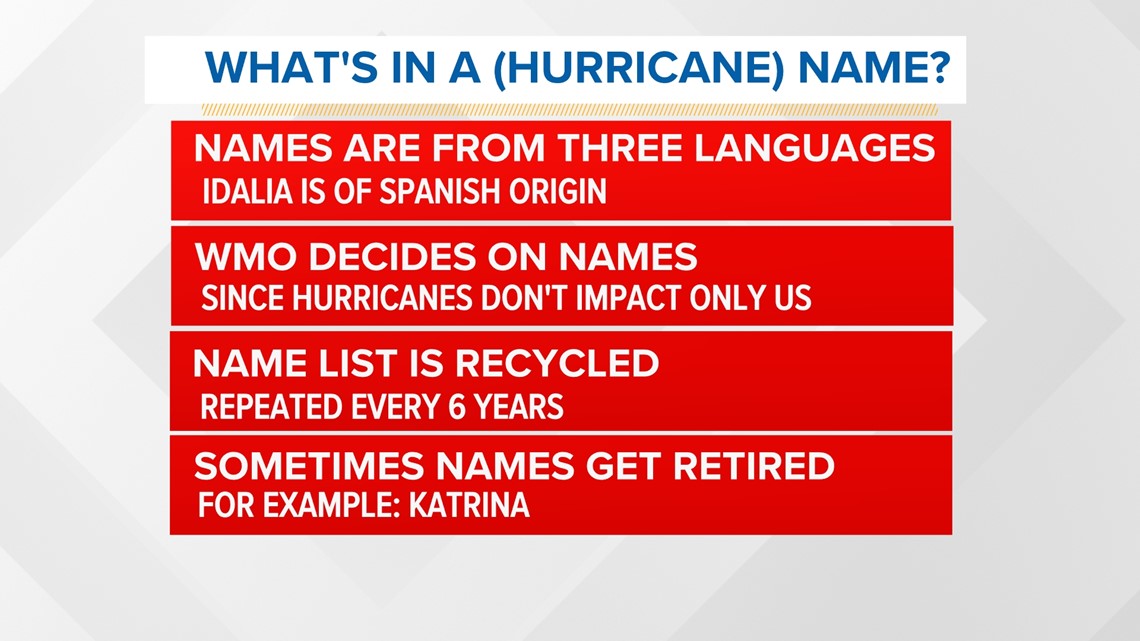
Okay, the short answer is the World Meteorological Organization (WMO). They're like the ultimate party planners for, well, storms. But instead of booking a DJ and choosing a theme, they curate a list of names. Think of them as the VIP list-keepers for weather events.
These lists aren't just pulled out of a hat (though, imagine!). They're carefully crafted and rotate every six years. So, if you hear "Hurricane Zelda" in 2024, you might hear it again in 2030… unless Zelda was particularly destructive.
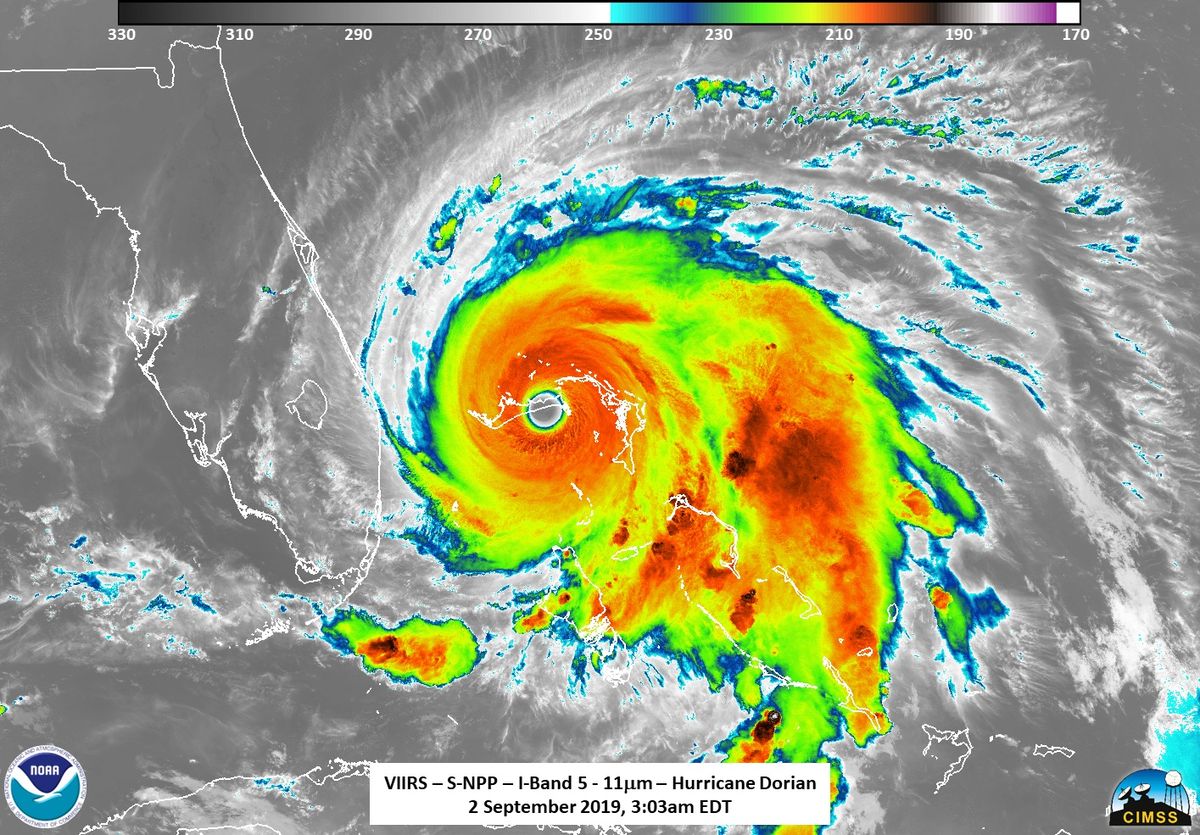
Why do they name them at all? It's all about clear communication, my friend. Imagine trying to track multiple storms brewing in the Atlantic. Saying "the storm at 25 degrees North, 70 degrees West" is a mouthful! "Hurricane Betty" is much easier to track and share with the public, making warnings more effective. It's like using nicknames for your friends - quicker, easier, and (hopefully) less confusing!
The Alphabet Soup of Storms
The WMO uses a set of predetermined lists that go alphabetically. So, the first storm of the year gets a name starting with "A," the second with "B," and so on. It's a pretty straightforward system. Except… there's always a catch, isn't there?
The lists don't use the letters Q, U, X, Y, or Z. Why? Apparently, those letters don't offer enough common and easily understood names. Which, honestly, makes sense. Try thinking of a common, easily pronounceable name starting with "X" for a hurricane. Good luck with that!
If a hurricane is particularly devastating (think Katrina, Harvey, Maria), its name is retired. It's like a jersey retirement ceremony in sports, but instead of honoring a player, it's acknowledging a storm that caused significant damage and loss of life. They don't want to risk the emotional trigger of using that name again.
What Happens When They Run Out of Names?
Ah, the dreaded "name-pocalypse"! What happens when we churn through the entire list of names in a single hurricane season? Well, in the past, they would switch to the Greek alphabet – Alpha, Beta, Gamma, etc. But honestly? That got confusing pretty fast. It was like trying to order coffee in another country without knowing the language – you just end up pointing and hoping for the best.
Thankfully, as of 2021, the WMO now has a supplemental list of names ready to go. So, instead of "Hurricane Alpha," we might get "Hurricane Adria" or "Hurricane Braylen." Much clearer, right?
Why Should You Care About Hurricane Names?
Besides the fact that it's just plain interesting, understanding how hurricanes are named helps you stay informed. Knowing the name allows you to easily track the storm's progress, follow news updates, and understand official warnings. It's like having a backstage pass to the weather – you get the inside scoop!
So, next time you hear a hurricane name, you'll know the story behind it. You'll know it's not just some random moniker, but a carefully chosen identifier designed to help keep everyone safe. And maybe, just maybe, you'll remember the name next time you hear it… unlike that ferret-loving friend from the grooming competition!
Remember: Stay safe, stay informed, and don't forget to charge your power bank!