Ever wonder about the gleaming, golden hue of a saxophone, the sturdy fixtures in your bathroom, or even the shimmering details on a vintage candlestick? Chances are, you're admiring the handiwork of brass, a versatile metal alloy that's been shaping our world for centuries. There's something deeply satisfying about knowing the properties of the materials around us, a subtle understanding that connects us to the craftspeople and engineers who build our world.
Brass, a happy marriage of copper and zinc, offers a unique blend of properties that make it incredibly useful. One of the most crucial is its melting point. But why should the average person care about the melting point of brass? Well, understanding this temperature range unlocks a world of understanding about how things are made and why brass is chosen for specific applications. Think about it: knowing its melting point tells us how it can be cast, molded, and shaped into all those useful and beautiful objects we encounter daily.
The benefits of brass are numerous. First and foremost, it’s incredibly durable. This resilience makes it perfect for plumbing fittings, where it can withstand constant water pressure and temperature fluctuations without corroding easily. Secondly, it's relatively easy to work with. Compared to other metals, brass is softer and more malleable, allowing artisans and manufacturers to shape it with relative ease. And finally, brass is aesthetically pleasing. Its golden color, which can vary depending on the ratio of copper to zinc, lends a touch of elegance to everything from doorknobs to musical instruments.
You see brass everywhere. From the intricate workings of a watch (some components, at least!) to the mouthpieces of trumpets, brass plays a vital role. In construction, it's used for pipes, valves, and decorative elements. In electronics, it provides reliable connections thanks to its conductivity. And in art, it's a beloved medium for sculptors and jewelers who appreciate its warm tone and ability to hold fine details.
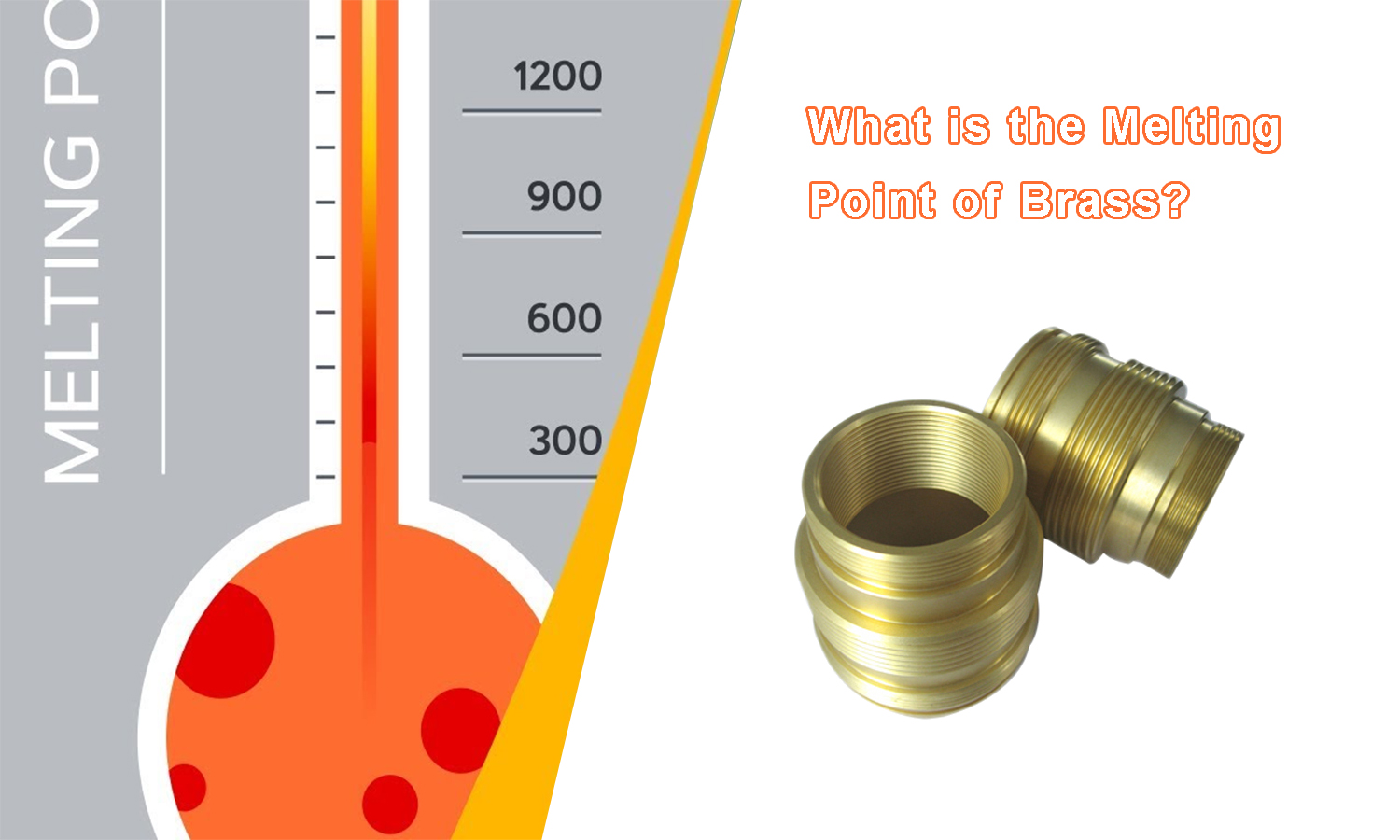
Now, let's get down to brass tacks (pun intended!). The melting point of brass isn't a single, fixed number. Because brass is an alloy – a mixture of two or more metals – its melting point depends on the specific composition. Generally, it ranges from about 900 to 940 degrees Celsius (1652 to 1724 degrees Fahrenheit). The higher the zinc content, the lower the melting point tends to be.
So, how can you appreciate brass and its properties more effectively? While you likely won't be melting it down in your backyard (please don't!), consider these tips:
- Learn to identify brass: Pay attention to the color and luster of metal objects around you. With a little practice, you can quickly spot brass and appreciate its characteristics.
- Explore antique shops: Antique shops are treasure troves of brass artifacts. Examining these items can give you a sense of the metal's durability and aging process.
- Consider metal polishing: Cleaning and polishing brass items can restore their shine and bring out their beauty. This is a fun and rewarding way to connect with the material.
- Support artisans who work with brass: By purchasing handcrafted brass items, you're supporting skilled craftspeople and appreciating the artistry that goes into working with this fascinating metal.
Understanding the properties of brass, including its melting point, deepens our appreciation for the objects we use every day. So, next time you admire a gleaming brass fixture or a well-crafted musical instrument, take a moment to consider the science and artistry that went into creating it. You might just find a newfound appreciation for this versatile and enduring alloy.