Okay, let's talk about something that might sound a little intimidating – wire size for a 100 amp breaker. Now, I know what you're thinking: "Electricity? Breakers? Sounds like rocket science!" But trust me, it's more like baking a cake. You need the right ingredients (in this case, the right wire) for the recipe (your electrical system) to work its magic without burning down the house. And believe me, nobody wants a burnt cake or a fried electrical system!
Why Should You Even Care?
Imagine you're trying to drink a milkshake through a tiny coffee stirrer. Frustrating, right? Not enough milkshake can get through fast enough! That's what happens when your wire is too small for the amount of electricity you're trying to pull through it. The wire gets overworked, it heats up, and that's a recipe for…well, a fire. Nobody wants that!
Think of your 100 amp breaker as the bouncer at a very popular nightclub. Its job is to only let 100 amps worth of electricity party inside the circuit. Any more, and the bouncer (the breaker) throws the switch, shutting everything down to prevent an electrical meltdown. But the wire itself needs to be able to *handle* that 100 amps *before* the bouncer has to do his job.
The Golden Rule: Wire Size and Amperage
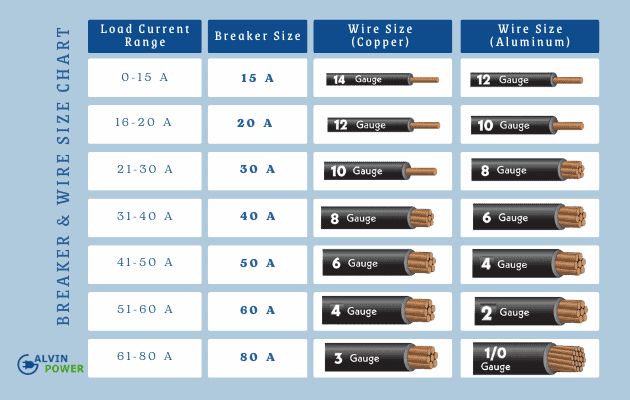
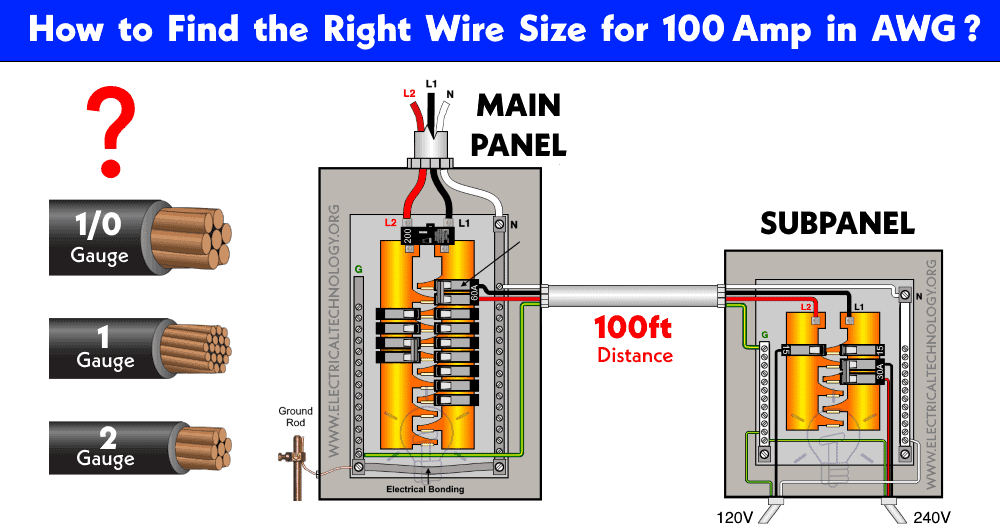
So, here's the golden rule: you need a wire that's *big enough* to safely handle the amount of electricity your breaker is designed for. For a 100 amp breaker, the most common answer is #3 AWG copper wire or #1 AWG aluminum wire.
AWG stands for American Wire Gauge, and it's basically a system for measuring how thick a wire is. The *smaller* the number, the *thicker* the wire. Confusing, I know! Just remember that #3 is thicker than #6.
Copper vs. Aluminum: The Great Debate
Now, you might be wondering, "Copper or aluminum? Which is better?" Well, copper is the gold standard (pun intended!). It conducts electricity very well and is generally more reliable. However, it's also more expensive. Aluminum is a more budget-friendly option, but it's not quite as good at conducting electricity. That's why you need a slightly thicker aluminum wire (#1 AWG) compared to copper (#3 AWG) for the same amperage.
Think of it like this: Copper is like driving a fancy sports car on the Autobahn – smooth, fast, and efficient. Aluminum is like driving a reliable pickup truck – it gets the job done, but it might take a little more effort.
Important Considerations (Because Life Isn't Always Simple)
Okay, so #3 copper or #1 aluminum is a good starting point, but there are a few other things to consider:
- Distance: The longer the wire run, the more voltage drop you'll experience. Voltage drop is like trying to run a marathon uphill – you lose energy along the way. For long runs, you might need to upsize your wire to compensate.
- Installation Method: How the wire is installed can also affect its ampacity (how much current it can safely carry). Wires bundled together or running through insulation tend to heat up more, so you might need to upsize.
- Local Codes: This is a big one! Electrical codes vary from place to place, so always check with your local building department or a qualified electrician to make sure you're following the rules. They're there to keep you safe!
When in Doubt, Call a Pro!
Look, electricity is nothing to mess around with. If you're not comfortable working with electrical wiring, or if you're unsure about any of this, please, please, please call a licensed electrician. It's worth the money for the peace of mind knowing that your electrical system is safe and up to code.
Think of it like this: you could probably try to remove your own appendix with a YouTube tutorial and a butter knife, but would you? Probably not! Some things are best left to the professionals.
In a Nutshell (Because Who Likes Long Articles?)
Choosing the right wire size for a 100 amp breaker is crucial for safety and performance. While #3 copper or #1 aluminum are common choices, you need to consider distance, installation method, and local codes. And remember, when in doubt, call a qualified electrician! They're the superheroes of the electrical world, ready to swoop in and save the day (and your house) from electrical disasters. Stay safe and stay electrified (the good kind of electrified!).