Ever found yourself staring blankly at a wall socket in a foreign country, your phone slowly draining, and realizing you're completely unprepared? It's a travel woe many of us have experienced! That little moment of panic highlights a seemingly mundane, yet crucial, aspect of international travel: electrical outlets. Understanding the types of outlets used in different countries, like Mexico, is more than just a practical consideration; it’s a small window into a country's history and infrastructure. Plus, avoiding fried electronics is always a good thing!
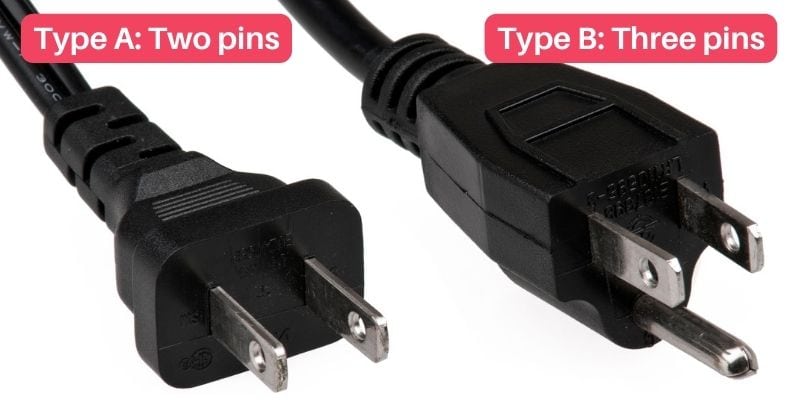
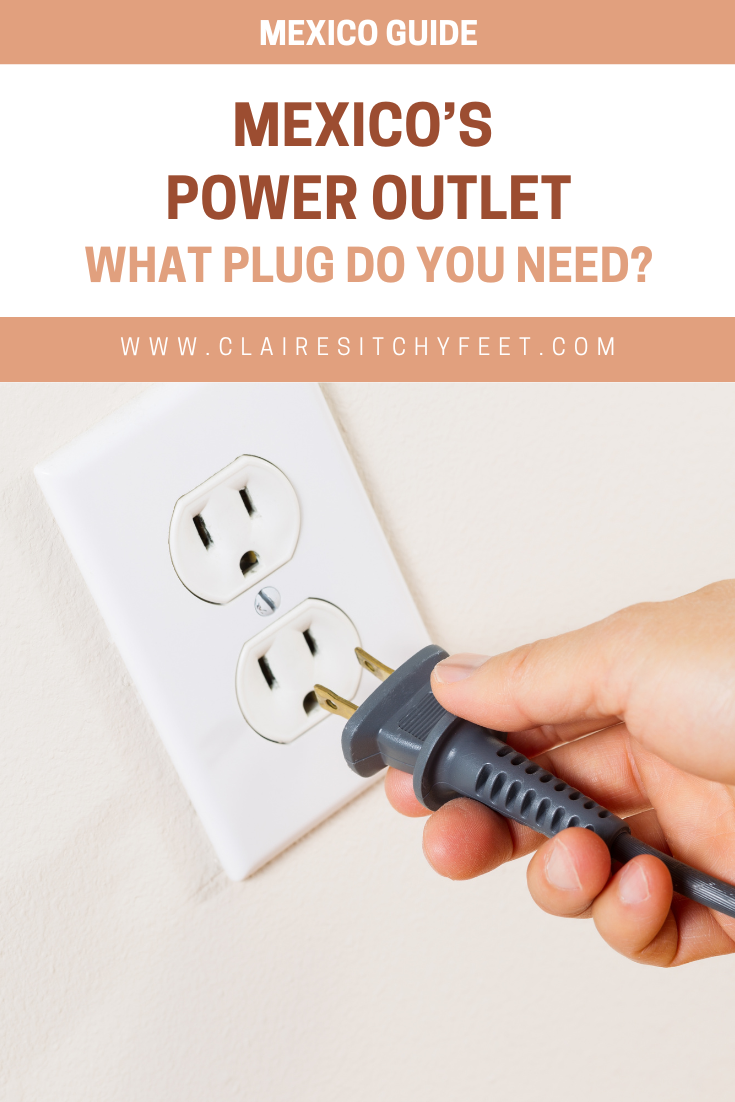
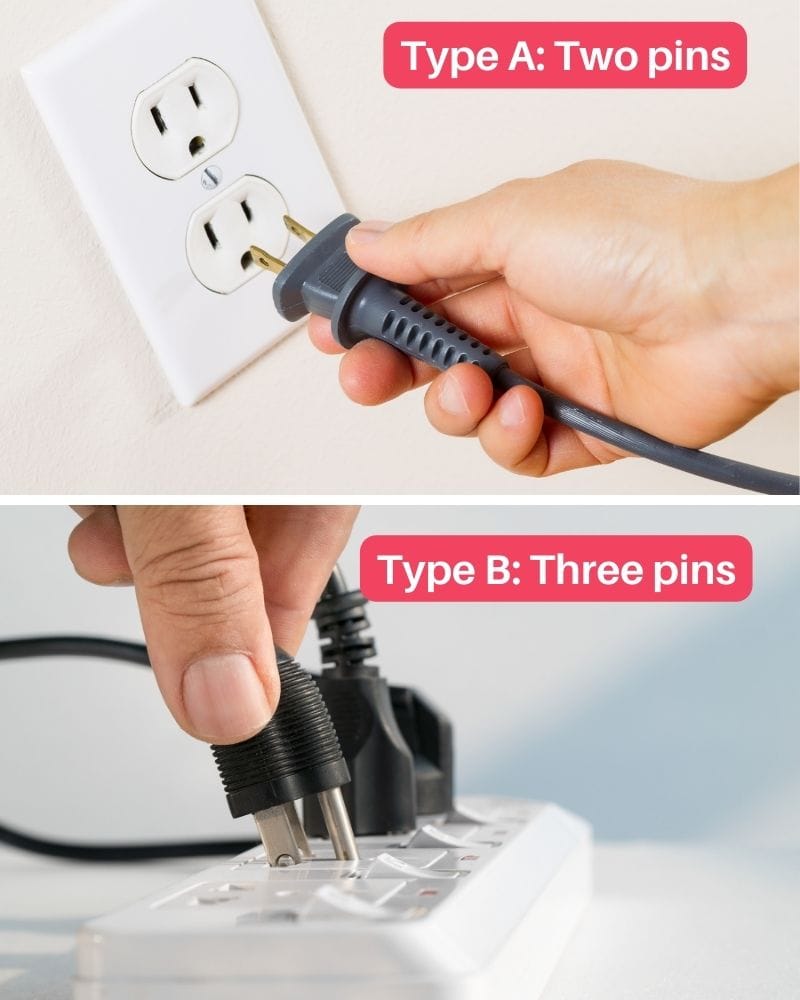
So, what's the deal with outlets in Mexico? The good news is, if you're coming from the United States or Canada, you're likely already set! Mexico primarily uses the Type A and Type B outlets, the same ones you're used to at home. Think of them as flat, two-pronged (Type A) or flat, two-pronged with a rounded grounding pin (Type B). This means most North American devices will plug in without the need for an adapter. However, there's always a catch, isn’t there?
While the outlets themselves may be compatible, the electrical voltage in Mexico is typically 127V, while North America uses 120V. It's close enough that most modern devices – think smartphones, tablets, laptops – designed for a range of voltages (usually indicated on the power adapter with something like "100-240V") will work just fine. These devices have built-in voltage converters. However, older or more sensitive appliances, like hair dryers or curling irons, might not be as forgiving. Using these without a proper voltage converter can damage your device or even pose a safety risk. So, always check the voltage requirements of your appliances before plugging them in.
Understanding this seemingly small detail has numerous benefits. For travelers, it allows for seamless use of essential devices, reducing stress and preventing damage to electronics. In education, learning about different electrical standards can be incorporated into geography lessons or even physics courses, illustrating real-world applications of electricity and engineering. Think of a geography lesson where students research the electrical outlet types and voltage used in different countries, creating presentations or even designing universal adapters. Or a physics class exploring the principles of voltage conversion and the importance of grounding.
In daily life, even outside of travel, knowing about electrical compatibility can help you make informed decisions when purchasing electronics from abroad. Imagine you're buying a cool gadget online from a Mexican retailer. Knowing it uses Type A/B plugs and 127V helps you anticipate potential compatibility issues and plan accordingly.
So, how can you explore this topic further? A simple start is to check the labels on your own device chargers! Look for the input voltage range. Notice that many say "100-240V"? This means they're designed to work in a wide variety of countries. You can also research online databases that catalog electrical outlet types and voltage standards by country. Websites like World Standards are fantastic resources. Before your next trip to Mexico (or any other country), spend a few minutes researching the local electrical standards. It's a small investment that can save you from a lot of headaches – and potentially, a burned-out hair dryer!