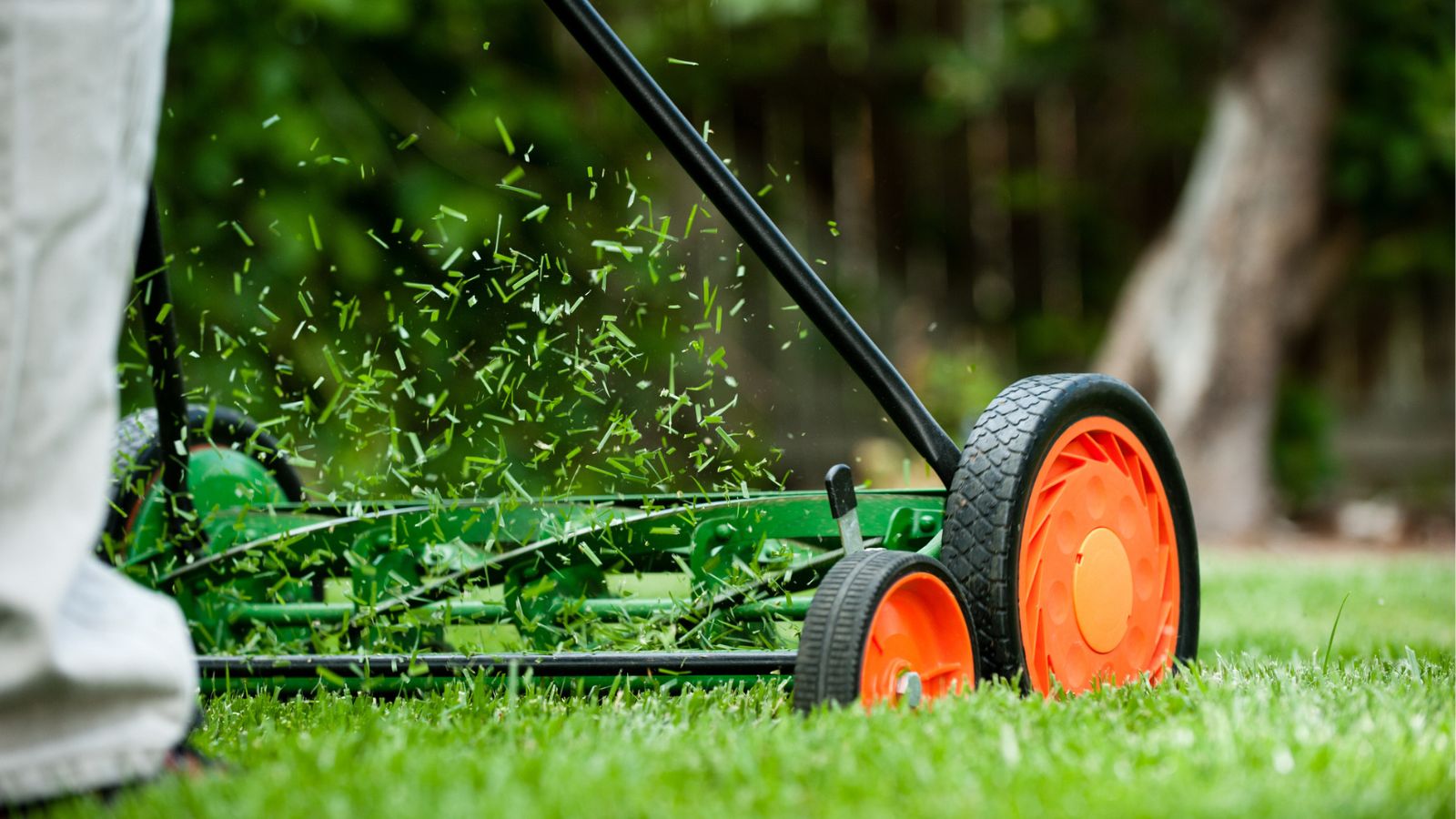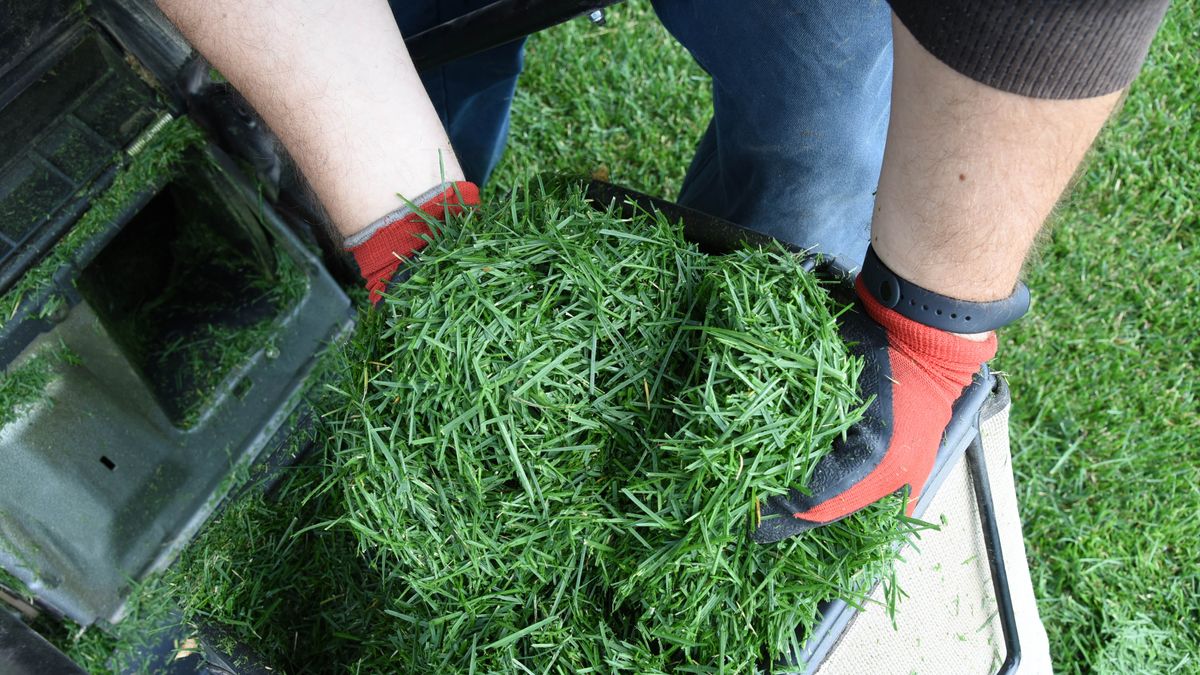
Hey friend! Just finished mowing the lawn, huh? Now comes the age-old question: what *do* you do with all that green confetti? Don't worry, I've got your back. Let's dive into the wonderful world of grass clippings – it's way more exciting than it sounds, I promise!
Leave It On The Lawn (aka Grasscycling)
Okay, first up, the easiest option: leave those clippings right where they are! Seriously! This is called grasscycling, and it's like giving your lawn a free fertilizer treatment. Who doesn't love free stuff?
When those little guys decompose, they release nutrients back into the soil. Think nitrogen, phosphorus, potassium – all the good stuff that keeps your grass happy and healthy. It's like nature's recycling program... but for your lawn! Pretty neat, eh?
But wait, there's a catch! You can't just leave huge clumps. Imagine mowing after a long rain, and you're left with massive, wet green blobs. No bueno! Those can suffocate your grass. The trick is to mow regularly (when the grass isn’t soaking wet!) so the clippings are small and break down quickly. You’ll also want to use a mulching mower or make several passes to chop them finely.
Composting: Turning Green to Gold (Almost)
Next up, composting! This is where you transform those grass clippings into garden gold (okay, maybe not gold, but nutrient-rich compost!). It's like magic, but with decaying organic matter! Compost is fantastic for your garden beds, flower pots, or even just spreading around trees. It’s a natural soil amendment, way better than those chemical fertilizers, in my opinion.
Now, a little warning: grass clippings are high in nitrogen, which is great, but you need to balance it out with "brown" materials like dried leaves, shredded paper, or even cardboard. It's all about that carbon-to-nitrogen ratio, baby! Too much nitrogen and you'll end up with a stinky, slimy mess (trust me, I've been there!). Aim for roughly a 2:1 or 3:1 ratio of browns to greens.
Don't have a compost bin? No problem! You can build a simple one out of pallets or even just create a pile in a corner of your yard. Just make sure it gets turned regularly to aerate it and speed up the decomposition process. Think of it as your weekend workout!
Mulching: A Gardener’s Best Friend
Okay, so you’ve got garden beds. You’ve got grass clippings. Why not put them together? Grass clippings make a fantastic mulch! Spread a thin layer around your plants to help retain moisture, suppress weeds (those pesky things!), and slowly release nutrients as they decompose.
Important tip: Make sure the clippings are dry before you use them as mulch. Wet clippings can compact and create a breeding ground for mold and other nasties. And, just like with composting, don't use clippings that have been treated with herbicides or pesticides. Unless you want those chemicals seeping into your vegetable garden... which I'm guessing you don't.
Sending Them Away (The Last Resort)
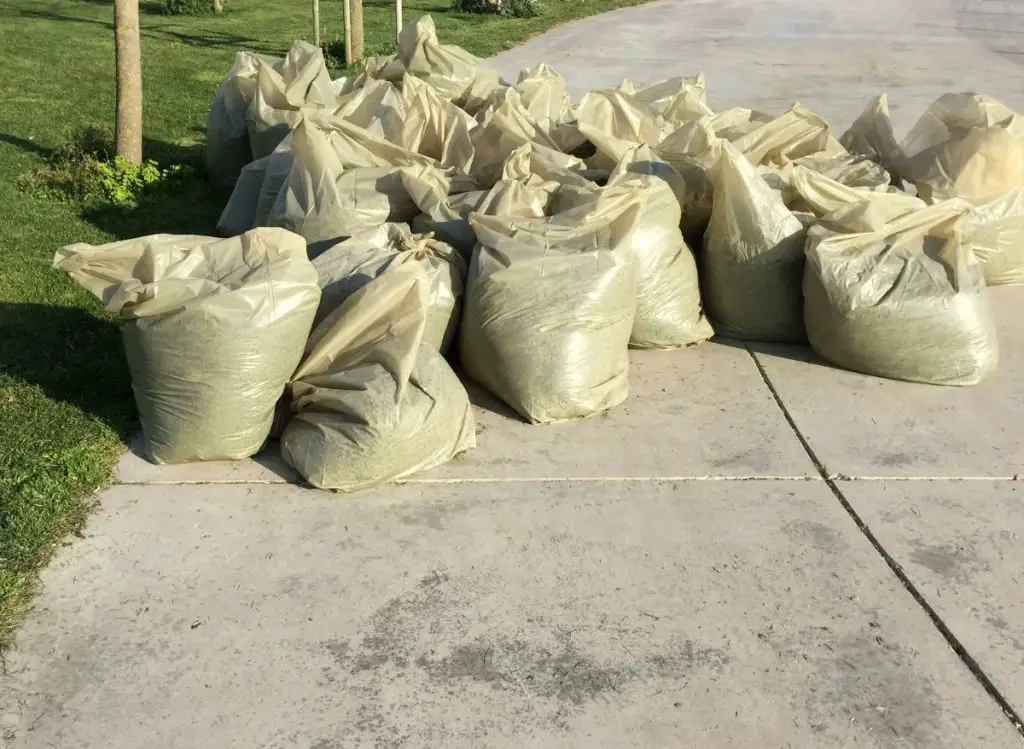
Alright, if none of the above options work for you (maybe you have a *huge* lawn or just really, really hate grass clippings), you can always bag them up and send them to the landfill. But honestly? This should be your last resort. Landfills are already overflowing, and grass clippings are a valuable resource that can be put to much better use.
Plus, some municipalities offer yard waste collection programs. Check with your local waste management services to see if they have composting facilities or other options for dealing with grass clippings. It's worth a phone call!
A Final Word (Or Two)
So, there you have it! A crash course in grass clipping management. Whether you choose to grasscycle, compost, mulch, or, as a last resort, send them away, remember that those clippings are a valuable resource. Treat them with respect, and your lawn (and your garden) will thank you for it. Now go forth and conquer those clippings! You got this!