Let's face it, losing a fish can be a surprisingly emotional experience. They might not bark or cuddle, but those little aquatic companions become a part of our lives, their silent world reflecting a calming, meditative quality. But what do you do when you notice your finned friend isn't quite right? Before you panic, or worse, do nothing, remember there are steps you can take, even if they're just about providing comfort in their final moments.
Knowing what to do when a fish is dying benefits everyone, from the casual observer to the dedicated hobbyist. For the aspiring artist, understanding the life cycle of a creature, even in its decline, offers a unique perspective on mortality and the delicate balance of nature. For the dedicated aquarium keeper, it's about responsible pet ownership and providing the best possible care, even when the inevitable happens. And for the curious learner, it's an opportunity to understand fish physiology and environmental factors impacting their well-being.
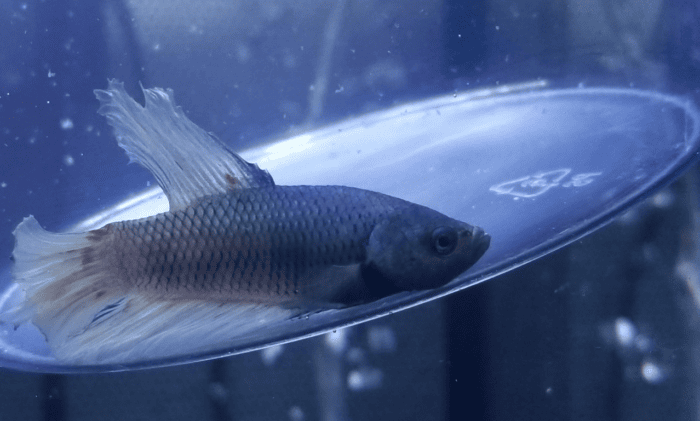
So, what does a fish in distress look like? Signs can vary depending on the species and the underlying cause, but some common indicators include: lethargy (hanging at the bottom, not swimming actively), loss of appetite, erratic swimming (spinning, gasping at the surface), clamped fins (fins held close to the body), and visible signs of disease like white spots or bloating. Sometimes, it's just a general "off" feeling – your fish simply isn't acting like itself.
Okay, you've spotted something amiss. Here's a step-by-step approach you can try at home:
- Observe closely: Note the specific symptoms. A picture or video can be helpful to show a vet or experienced fish keeper.
- Test the water: Water quality is paramount. Test for ammonia, nitrite, nitrate, and pH. Poor water quality is often the culprit.
- Partial water change: Perform a 25-50% water change with dechlorinated water of the same temperature.
- Quarantine (if possible): If you suspect disease, move the affected fish to a separate "hospital tank" to prevent spreading.
- Consider medication: Based on the symptoms, research appropriate medications. Consult a local fish store or veterinarian specializing in aquatic animals. Be very careful with medication – incorrect dosing can do more harm than good.
- Reduce stress: Dim the lights, reduce noise around the tank, and ensure adequate aeration.
- Euthanasia (as a last resort): If the fish is clearly suffering and there's no hope for recovery, humane euthanasia may be the kindest option. Clove oil is a commonly used method. Research this thoroughly before attempting.
Remember, not every fish can be saved. Sometimes, the illness is too advanced, or the underlying cause is unknown. But taking action, even if it's just about making their final moments more comfortable, is a sign of responsible care. The most enjoyable part of fishkeeping is observing their unique behaviors and creating a healthy, thriving environment. Learning about their vulnerabilities allows you to appreciate their fragility and beauty all the more. And who knows, perhaps the experience will inspire a poignant painting, a heartfelt poem, or simply a renewed appreciation for the interconnectedness of life.