/GettyImages-533592578-57e681ce3df78c690fb17ca4.jpg)
Ah, vacation! Visions of sunny beaches, thrilling adventures, or simply uninterrupted relaxation dance in our heads. But before you close the door and leave your worries behind, a crucial question lingers: what temperature should you leave your house at while you’re gone? It might seem mundane, but dialing in the right setting can save you money and prevent potential headaches. Let's explore the Goldilocks zone of vacation home temperature management – not too hot, not too cold, but just right.
The benefits of a well-regulated vacation temperature extend beyond simply avoiding burst pipes in the winter. For artists and hobbyists, maintaining a stable environment can be crucial for preserving supplies. Think about paints drying out prematurely, canvases warping in excessive heat, or delicate glues losing their tackiness. A consistent temperature prevents these problems, ensuring your materials are ready and waiting for you when you return, refreshed and inspired.
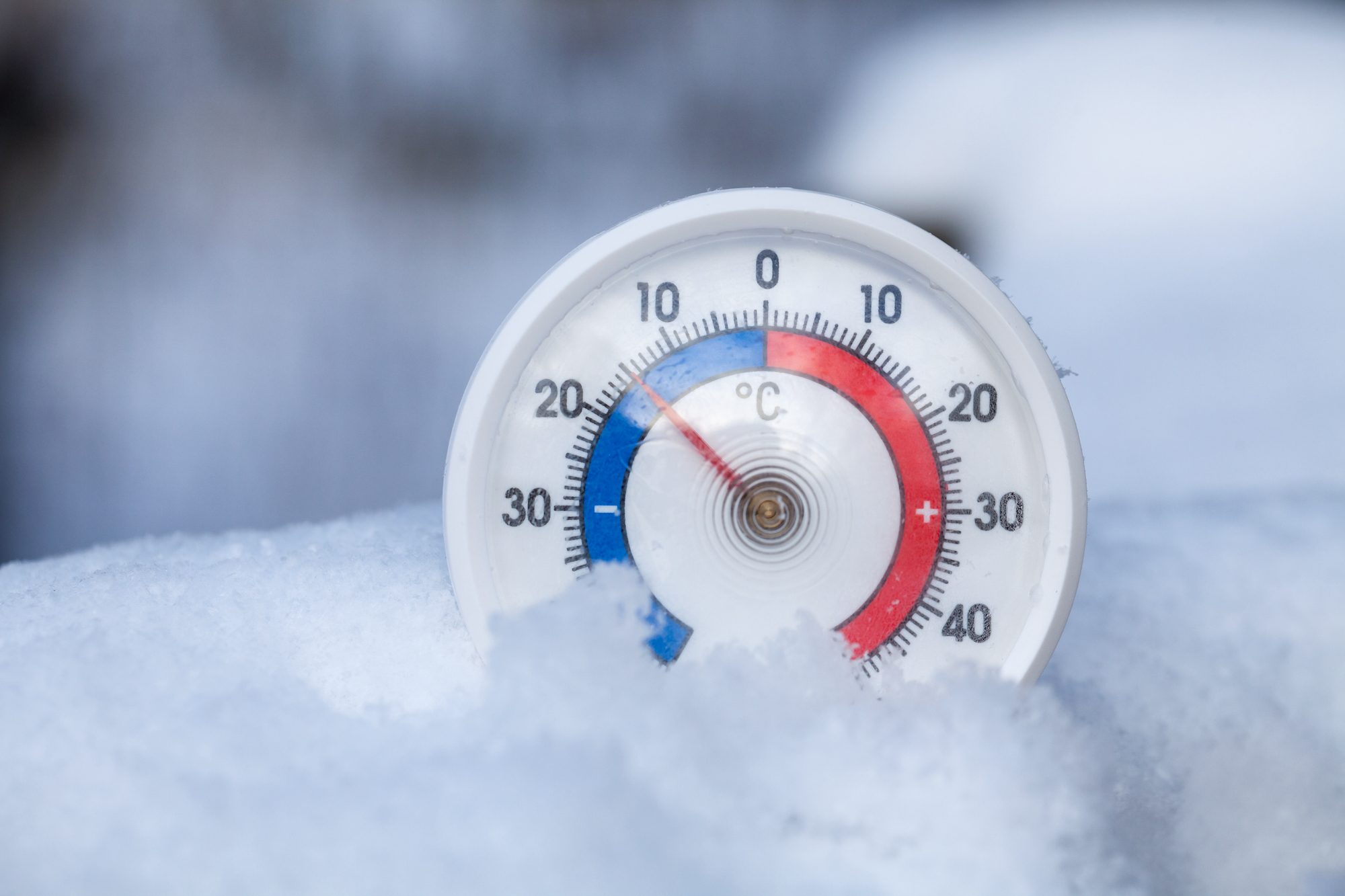
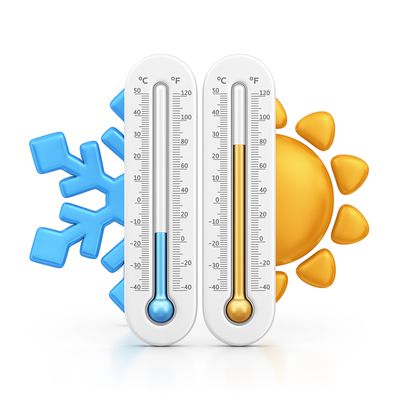
The ideal temperature range depends on a few factors, most importantly, the season and your climate. In the summer, aiming for around 80-85°F (26-29°C) is generally recommended. This prevents excessive humidity buildup, which can lead to mold and mildew growth. Think of it as keeping things aired out without running up a massive energy bill. In the winter, a setting of 55-60°F (13-16°C) is usually sufficient to prevent pipes from freezing, even in moderately cold climates. Of course, if you live in an area with extremely harsh winters, you might need to adjust this downward slightly, but consulting a local plumber for advice is always a good idea.
Several variations and considerations can further fine-tune your approach. If you have houseplants, for instance, consider their temperature requirements. Some tropical varieties might need a bit more warmth than others. Smart thermostats offer another layer of control. You can program them to automatically adjust the temperature based on the weather forecast, or even remotely adjust them from your phone if an unexpected cold snap hits while you’re relaxing on the beach. A smart thermostat with humidity monitoring can also alert you to potential issues before they become serious problems.
Trying this at home is simple. Start by setting your thermostat to the recommended range for the season. Before you leave, walk through your house and check for any potential drafts or areas where pipes might be exposed. Consider insulating any vulnerable pipes with foam sleeves. And don’t forget to unplug electronics to save energy and prevent potential power surges. Another tip: ask a trusted neighbor to check on your house periodically while you're away, just for peace of mind.
Setting the right temperature before a vacation isn't just about preventing problems; it’s about ensuring a smooth and worry-free return. Stepping back into a home that's comfortably cool (or warm, depending on the season), without a musty smell or the fear of frozen pipes, is incredibly rewarding. It’s the small details that make a big difference, allowing you to fully savor the memories you made on your trip. Ultimately, finding that perfect temperature setting allows you to relax and truly enjoy your time away, knowing you’ve taken care of things back home. And that, is truly enjoyable.