/GettyImages-533592578-57e681ce3df78c690fb17ca4.jpg)
Ever walked into your apartment on a chilly winter day and felt like you'd stepped into a refrigerator? Or, conversely, sweltered through summer nights wishing you could just sleep inside your freezer? We've all been there! While landlords are responsible for quite a few things, one crucial aspect is ensuring your apartment is a comfortable and safe temperature. But what exactly is the magic number?
The Goldilocks Zone: Not Too Hot, Not Too Cold
Think of it like Goldilocks and the Three Bears. You don't want your apartment to be Papa Bear's scalding porridge, nor Baby Bear's icy breakfast. You want Mama Bear's "just right" temperature. Generally speaking, most state and local laws require landlords to maintain a minimum temperature during the colder months. This usually falls somewhere between 65 and 68 degrees Fahrenheit during the day.
Imagine getting home from a long day at work, battling traffic, and finally sinking onto your couch. The last thing you want is to shiver uncontrollably! Having a consistently reasonable temperature isn't just about comfort; it's about your health and well-being. Extreme cold can exacerbate health issues, especially for the elderly or those with pre-existing conditions.
Summer Lovin': Keeping Cool Under Pressure
While heating is usually mandated, cooling isn't always a legal requirement in every location. However, responsible landlords understand the importance of a comfortable living environment year-round. If your lease agreement promises air conditioning, then your landlord is legally obligated to provide it in working order. Even if it's not explicitly stated, many areas have implied warranty laws that cover basic habitability, which can include maintaining a reasonable temperature, especially during extreme heatwaves.
Think about it: Trying to sleep in a stuffy, overheated apartment is miserable! Tossing and turning all night, waking up sticky and exhausted... it's a recipe for a grumpy you and a unproductive day. While there may not always be a specific legal minimum for cooling, landlords often have a responsibility to ensure proper ventilation and, if promised, functional air conditioning.
Why Should You Care? It's More Than Just Comfort!
Okay, so maybe you're thinking, "I can just wear extra layers!" But it's more than just layering up or down. Consistently cold temperatures can lead to frozen pipes, which can burst and cause significant damage to your apartment and your belongings. Nobody wants to deal with a flooded living room in the middle of winter!
Similarly, excessively hot apartments can breed mold and mildew, which can trigger allergies and respiratory problems. Maintaining a reasonable temperature is about protecting your health, preventing property damage, and ensuring a livable environment. It’s about feeling safe and secure in your own home.
What to Do If Your Apartment is Too Hot or Too Cold
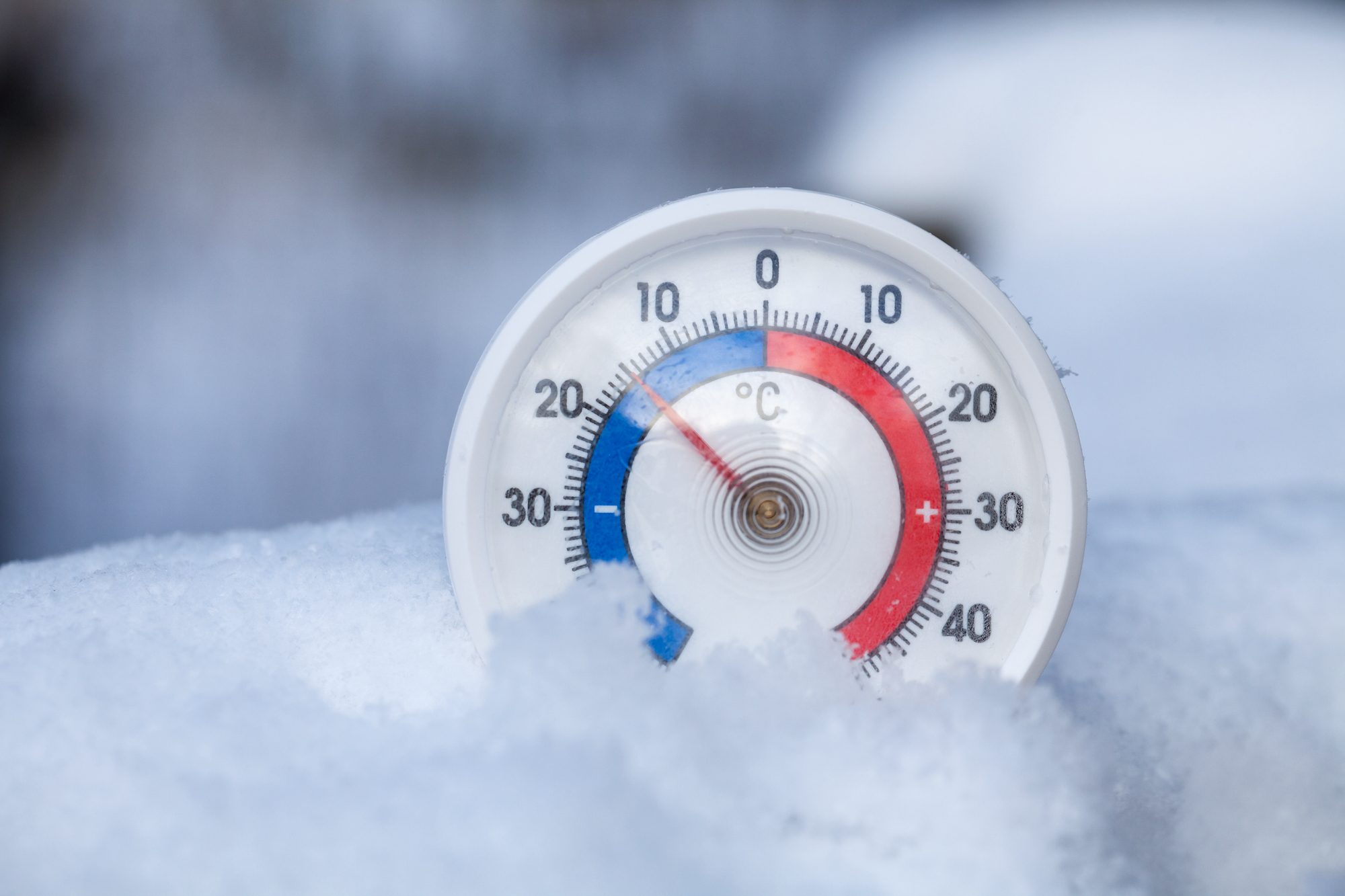
First, document everything! Keep a record of the dates and times when the temperature is consistently outside the acceptable range. Use a reliable thermometer to measure the temperature accurately. Then, the most important step: Communicate with your landlord. Start with a friendly email or phone call explaining the situation. Often, a simple conversation can resolve the issue.
If your landlord is unresponsive or refuses to address the problem, you might need to escalate the situation. Check your lease agreement for specific clauses regarding heating and cooling. You can also contact your local tenant rights organization or housing authority to learn about your legal options. Remember, you have rights as a tenant, and you deserve to live in a comfortable and safe environment.
Pro Tip: Be a Temperature Detective!
Become aware of your local regulations regarding minimum heating and cooling requirements. A quick search online for "tenant rights [your city/state]" will provide you with valuable information. Knowing your rights empowers you to advocate for yourself and ensures your landlord fulfills their responsibilities.
Ultimately, a comfortable apartment temperature is more than just a preference; it's a fundamental aspect of a habitable living space. So, keep those thermostats in check, communicate with your landlord, and remember, a little temperature regulation can go a long way in creating a happy and healthy home!
And hey, if all else fails, dreaming of a tropical vacation is always a good (temporary) solution to escape the winter chill!