So, you’re thinking of adding a new electric dryer, a мощный (that's "powerful" in Russian) hot tub, or maybe even setting up a proper workshop in the garage? Exciting stuff! But before you dive headfirst into rewiring, let’s talk about something crucial: wire size. Specifically, what size wire do you need for a 220-volt, 30-amp circuit? Getting this wrong can lead to all sorts of unpleasantness, from flickering lights to, well, let's just say situations best avoided.
The Short Answer: 10 AWG
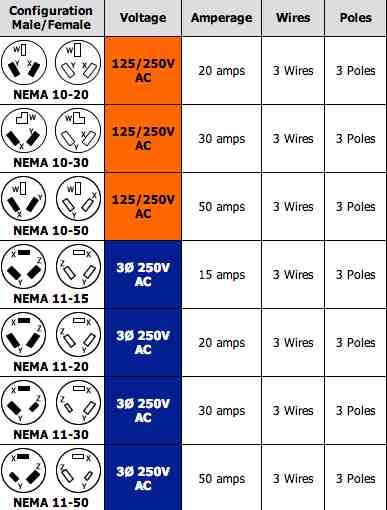
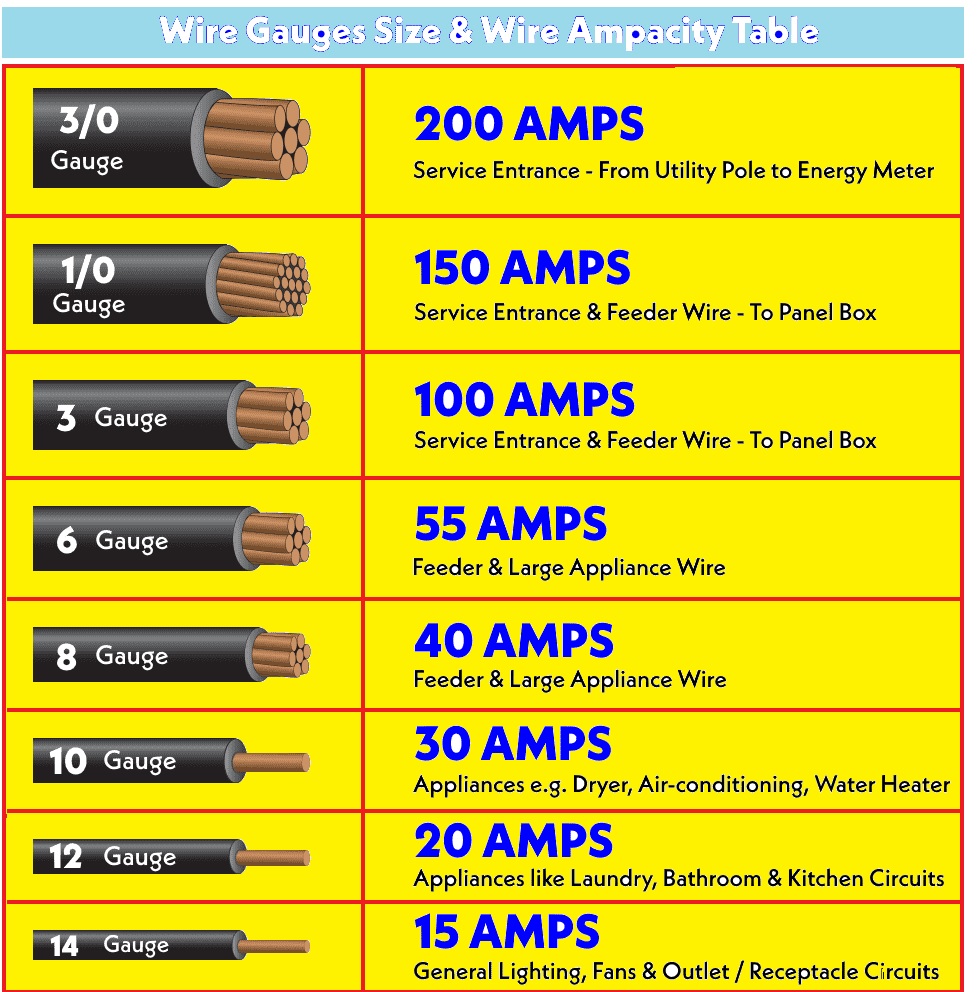
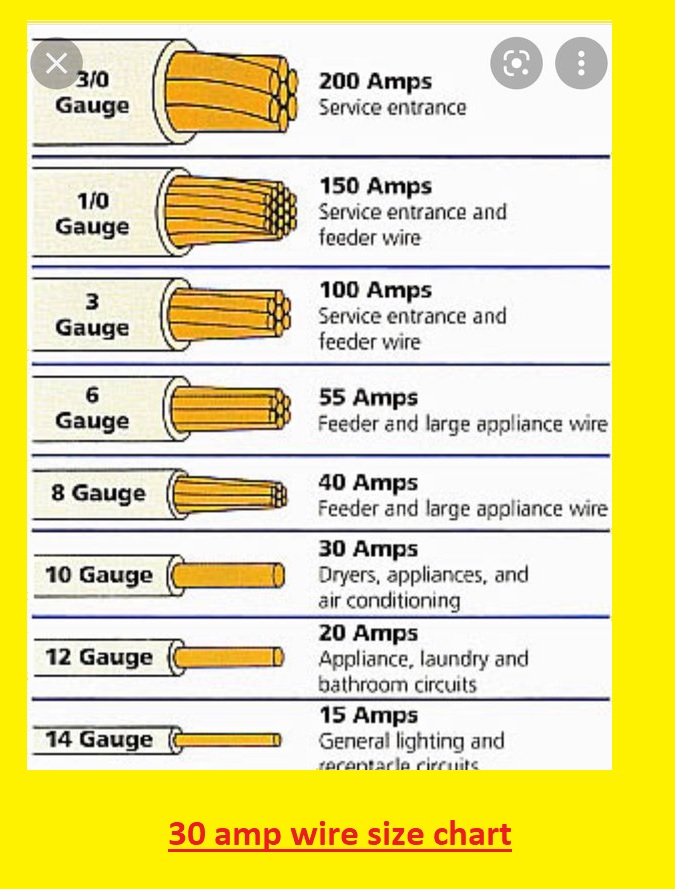
Alright, let’s cut to the chase. For a standard 220-volt, 30-amp circuit, you’re generally going to want to use 10 AWG (American Wire Gauge) copper wire. Think of it like choosing the right size pipe for your plumbing; too small, and you'll have a trickle; too big, and you're wasting resources. 10 AWG is typically the sweet spot.
But, *and this is a big but*, don't just run out and buy the first spool you see. There are a few nuances to consider.
Digging Deeper: Factors That Matter
While 10 AWG is a good starting point, several factors can influence the optimal wire size. Think of it like tailoring a suit – a good fit requires more than just a general size.
- Distance: The longer the wire run, the more voltage drop you'll experience. Imagine trying to shout across a football field – your voice gets weaker the further it travels. Similarly, electricity loses some "oomph" over long distances. For longer runs, you might need to upsize to 8 AWG to compensate.
- Wire Type: Copper is the gold standard (or should we say copper standard?) for electrical wiring due to its excellent conductivity. However, aluminum wire is sometimes used, especially in older homes. Aluminum has a higher resistance than copper, so for the same amperage, you'll need a thicker gauge. Always check local codes and regulations if you're considering aluminum.
- Local Electrical Codes: This is the *most important* factor. Electrical codes aren’t just suggestions; they're designed to keep you and your home safe. These codes can vary by location, so always consult your local electrical codes or a qualified electrician before starting any electrical work. It's like checking the weather forecast before a road trip – you want to be prepared!
The Importance of Proper Installation
Using the correct wire size is only half the battle. Proper installation is just as crucial. Think of it as making a delicious cake – you need the right ingredients *and* the right baking technique.
- Connections: Ensure all connections are tight and secure. Loose connections can create heat and potentially lead to a fire hazard.
- Conduit: Running wires through conduit (protective tubing) helps protect them from physical damage and moisture.
- Grounding: Proper grounding is essential for safety. It provides a path for fault current to flow, tripping the circuit breaker and preventing electric shock.
Pro Tip: When working with electrical wiring, always turn off the power at the breaker box. Treat electricity with respect – it's a powerful force that can be dangerous if mishandled. Imagine electricity as a wild animal; you wouldn't approach it without caution, right?
When in Doubt, Call a Pro
Let's be honest, electrical work can be intimidating. If you're not comfortable working with electricity, or if you're unsure about any aspect of the wiring process, call a qualified electrician. It’s better to be safe than sorry. Think of it like needing a root canal – you wouldn't attempt it yourself, would you?
Hiring a professional ensures the job is done correctly and safely, giving you peace of mind. They have the knowledge, experience, and tools to handle even the most complex electrical projects.
Beyond the Basics: Why It Matters
Understanding the proper wire size for electrical circuits isn't just about following rules; it's about ensuring the safety and functionality of your home. From keeping your appliances running smoothly to preventing electrical hazards, getting it right makes a real difference.
So next time you flip a switch or plug in an appliance, take a moment to appreciate the complex network of wires that powers your life. They're like the unsung heroes of the modern world, working silently behind the scenes to keep everything running smoothly.
Electrical work is not just about connecting wires; it is about ensuring safety, efficiency, and longevity. Taking the time to understand the basics can empower you to make informed decisions about your home's electrical system.